
Stop Missing the Hidden Drivers of Pudendal Neuralgia

Pudendal Neuralgia rarely presents the same way twice. Join Dr. Julie Sarton & Dr. Alexa Guerrero for a systems-based clinical framework built on more than three decades of treating one of the largest populations of PN patients.
Learn how to think like a clinical detective, connect findings across systems, and develop individualized treatment plans that address the true drivers of your patient’s symptoms.

AS SEEN ON








Why Pudendal Neuralgia is so often misunderstood
Pudendal Neuralgia is one of the most complex conditions in pelvic health. Although symptoms are often attributed to the pudendal nerve itself, the underlying causes are rarely isolated to a single structure.
Patients may present with contributions from the pelvic floor, orthopedic dysfunction, spinal involvement, fascia, childbirth trauma, surgical history, movement impairments, nervous system sensitization, and lifestyle factors.
This course introduces a comprehensive, systems-based approach — helping clinicians move beyond symptom management and develop individualized treatment strategies built on clinical reasoning.

Why This Course Matters
Looking Beyond the Pudendal Nerve
Patients with Pudendal Neuralgia often arrive after months — or even years — of searching for answers. Many have seen multiple providers, undergone numerous interventions, and continue to experience persistent pain.
- Pelvic Floor Overactivity
Guarded, hypertonic patterns and connective tissue restrictions.
- Nervous System Sensitization
Alignment, mobility, and neuromuscular contributors.
- Movement & Postural Patterns
How daily loading and habits perpetuate symptoms.
- Orthopedic, Spinal, & Vasular Involvement
Alignment, mobility, vascular and neuromuscular contributors.
- Childbirth & Surgical History
Scarring, trauma, and structural changes over time.
- Lifestyle & Perpetuating Factors
The ecosystem that keeps the nerve irritated.
The Framework
How this clinical framework was built
Over more than three decades, Dr. Julie Sarton has evaluated and treated one of the largest populations of Pudendal Neuralgia patients. As increasingly complex referrals arrived at her clinic, one pattern became clear:
Successful outcomes required understanding the relationship between orthopedic dysfunction, pelvic floor mechanics, nervous system regulation, fascia, movement, posture, medical history, and the patient’s unique presentation.
Feature
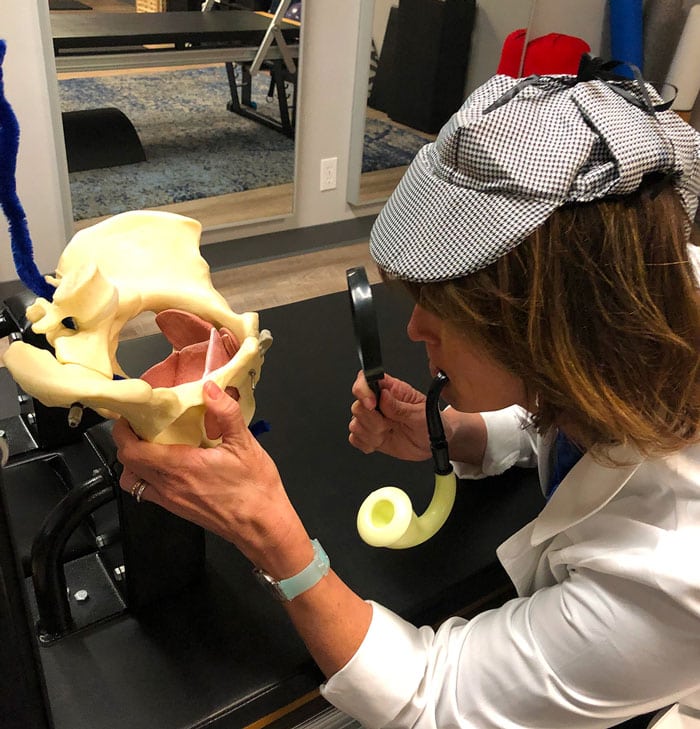
Put On Your Detective Hat
Rather than asking “where does it hurt?”, you’ll learn to ask “why is it happening?” — connecting findings from subjective history, orthopedic assessment, pelvic floor examination, pain science, movement analysis, and nervous system regulation.
Manual therapy alone is rarely enough. You’ll learn why calming the nervous system, identifying perpetuating factors, and addressing the whole patient are essential to successful Pudendal Neuralgia rehabilitation. Our healing Tree reveals all the systems that need to be addressed
We’ll see you inside!”
curriculum
What You’ll Learn
A cohesive evaluation and treatment framework you can apply immediately.
01
Apply a systematic clinical reasoning framework to complex Pudendal Neuralgia presentations.
02
Differentiate Pudendal Neuralgia from other pelvic pain conditions and overlapping nerve disorders.
03
Perform comprehensive subjective and objective evaluations that uncover overlooked contributing factors.
04
Integrate orthopedic assessment, pelvic floor examination, fascia, movement analysis, and pain science into one cohesive process.

05
Recognize how posture, movement patterns, childbirth, surgery, trauma, and lifestyle influence pudendal nerve symptoms.
06
Develop individualized treatment strategies based on each patient’s unique presentation.
07
Understand when conservative treatment is appropriate and when medical collaboration is indicated.
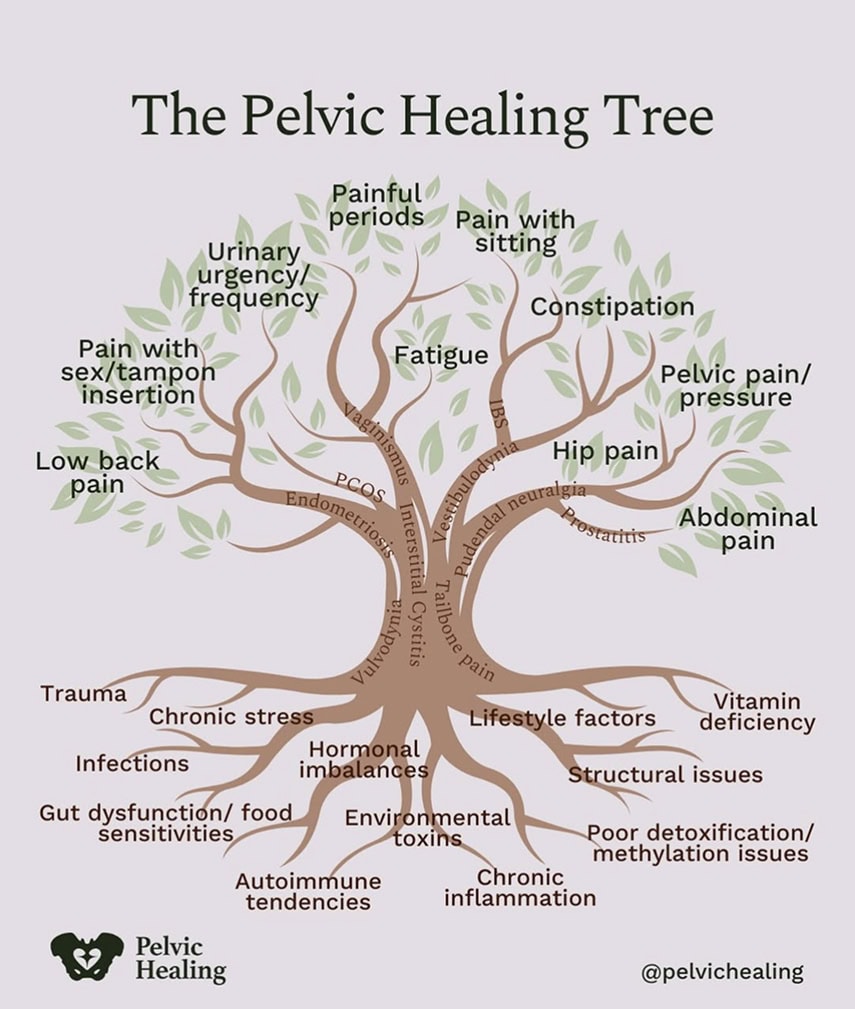
The Sarton Systems Approach
In this course we teach you how to take a whole body approach to pudendal neuralgia. Learn to recognize all contributing factors to each individual patient’s presentation. Our Healing Heart illustrates the different “puzzle pieces” of treatment needed for healing. Know every patient’s treatment plan should be unique and based on their specific evaluation findings.
"The nervous system will beat your hands every time."
We’ll see you inside.Manual therapy alone is rarely enough. You’ll learn why calming the nervous system, identifying perpetuating factors, and addressing the whole patient are essential to successful Pudendal Neuralgia rehabilitation.
"The nervous system will beat your hands every time."
We’ll see you inside.Manual therapy alone is rarely enough. You’ll learn why calming the nervous system, identifying perpetuating factors, and addressing the whole patient are essential to successful Pudendal Neuralgia rehabilitation.
Who It's For
Designed for clinicians treating complex pelvic pain
Whether you’re beginning to treat Pudendal Neuralgia or strengthening your approach to more complex cases, this course delivers practical clinical strategies you can integrate into patient care immediately.
Pelvic Health Physical Therapists
Occupational Therapists
Rehabilitation Professionals
Healthcare providers managing complex pelvic pain
Meet Your Instructors

Dr. Julie Sarton
Dr. Julie Sarton, PT, DPT, WCS, CLT
Dr. Julie Sarton is an internationally recognized pelvic health physical therapist, educator, and founder of Sarton Physical Therapy. With more than 30 years of experience, she has dedicated her career to treating complex pelvic pain conditions and developing educational programs that bridge orthopedic rehabilitation, pelvic health, pain science, fascia, and movement.

Dr. Alexa Guerrero
Dr. Alexa, PT, DPT - Clinical Director
Dr. Alexa Guerrero now serves as Clinical Director of our flagship clinic in Tustin, where she sets the standard of care for our clinical team while continuing to treat patients directly. She is Level III Craniosacral trained, a distinction reflecting years of advanced, specialized study in this gentle technique for working with the central nervous system.
Their extensive experience treating one of the largest populations of Pudendal Neuralgia patients has shaped the comprehensive clinical framework presented throughout this course.
Build Greater Confidence Treating Pudendal Neuralgia
Complex pelvic pain requires thoughtful clinical reasoning, comprehensive evaluation, and an understanding of how multiple body systems interact. Enroll today and begin applying these concepts in your clinical practice.
Frequently Asked Questions
Your questions answered about our services, appointments, and more.
What can I expect when scheduling appointments?
Contact Us
Patients are seen by appointment only by calling 714-770-8222. Initial evaluations consist of a full hour of one-on-one time with a pelvic floor physical therapy specialist.
Initial Evaluation & Follow-up
Once evaluated by one of our therapists, we strongly recommend that you schedule your follow-up appointments in advance. Your therapist will help you to decide on the frequency of your pelvic floor physical therapy appointments to fit your individual needs. Follow-up appointments are 55 minutes of one-on-one time with a pelvic floor physical therapy specialist.
Waiting List
If an appointment is not immediately available, you may request to be placed on the waiting list.
What is your cancellation policy?
Please Allow 24-hours
Due to the high demand for specialized pelvic health services, Sarton Physical Therapy frequently has a waiting list of patients needing treatment. We have a 24-hour cancellation policy. This enables our office to have adequate time to fill your cancelled or re-scheduled appointment with another patient in need. Please call us at 714-770-8222. If you’re unable to reach us please leave a voice-message or email us at frontdesk@pelvichealing.com.
Associated Fees
Appointments cancelled without this notice from you will be automatically charged a cancellation fee. (A credit card is required to hold new patient appointments. In the event of a missed initial evaluation or insufficient time frame for cancellation, the credit card will be charged the initial evaluation cancellation fee).
Case-by-Case Basis
We understand that there may be extenuating circumstances resulting in a cancellation or reschedule with less than 24 hours’ notice. Each incident will be handled on a case-by-case basis. If a patient misses three consecutive appointments, Sarton Physical Therapy reserves the right to cancel all future appointments.
We make every effort to be on time for our patients and ask that you extend the same courtesy to us.
Do you accept insurance or Medicare?
Insurance Policy
- We are an out of network provider for all insurance companies. There is great variety in out-of-network physical therapy benefits. When verifying insurance benefits – it will help to specify that you will be receiving “outpatient physical therapy services” and that Sarton Physical Therapy is “out-of-network.”
- We unfortunately are not contracted with Medicare or accept Medicare insurance (due to declining Medicare reimbursement). Medicare patients, however, can access our ancillary services paying cash for pilates, massage, and acupuncture.
- Patients are fully responsible for knowing their individual insurance plans and coverage for Sarton Physical Therapy services.
What is the difference between out-of-network (cash-based) and in-network physical therapy?
Out-of-network pt vs in-network pt
When it comes to getting pelvic floor PT, different practice models exist. This can be confusing to both patients and providers when making decisions on where to seek care. In an effort to help clear up the muddy waters that surround this, please read below.
Out of network Pelvic PT
Cash-based physical therapy (also known as out of network) is a model where patients can refer themselves directly to their specialist PT and pay directly for services out of pocket. At Sarton PT, our cash based practice is considered out-of-network so patients can still recoup a portion of their payment from their insurance company paid up front. This model allows for us to charge for the time spent (55+ minutes and 1 on 1 with a specialist the entire time), a higher level of experience, a concierge experience and keeps third-party payers out of the mix. This type of model is fee-for-service which means patients pay for each session as they go or they can buy a package of sessions for a discounted rate to complete their plan of care. Our practice then provides a receipt or invoice upon request which can be submitted to an individual’s insurance provider for reimbursement that will go straight to you, the patient.
In-Network Pelvic PT
An insurance based physical therapy model is where patients utilize their in network health insurance benefits to cover the cost of physical therapy. Patients are responsible for their copay, full deductible, or coinsurance for each visit and the remaining cost is covered by their insurance provider. This model will typically dictate how many visits you can be seen for with your therapist, will require you to pay the entire amount up front until you meet your deductible (so if it’s high, you may never meet it), and it will often require authorizations and lengthy reports your PT will need to write which takes away from your hands on treatment time.
Why not stick with an insurance-based practice?
While paying less upfront may initially sound enticing, obtaining physical therapy through insurance has its drawbacks. We highlighted several points above, but below are additional reasons to consider an out-of-network/cash based provider.
- Due to current insurance reimbursement rates, treatment times are usually limited to 20-30 minutes (and that includes the time to get dressed and undressed) when going to in network facilities. In order for these practices to cover costs of physical therapy staffing and overhead they need to see a higher volume of patients every day. To achieve this, in-network PTs must see a patient for shorter times (20-30 minutes) and then often transfer them to a physical therapy aide who only has on the job training and no formal certification. PTs in these types of practices often burn out having to see 16-18 patients/day and co-sign notes from the aides.
- Unexpected denial of coverage of insurance is not uncommon resulting in an in-network practice resulting in patient responsibility of payment in FULL for past and future payments.
- Physical therapy providers who are in-network are limited to an in-network list of providers
- Often patients may have to follow certain rules and restrictions such as obtaining pre-authorization before starting treatment and then obtain further authorization after 6 visits or so.
- In many cases, insurance restrictions severely limit treatment options; for example, physical therapists can only treat a certain body part written on a prescription. This prevents outside the box thinking and treating. All good clinicians know that no system or body part works alone and treatment must be holistic on every level.
- Declining reimbursement each year from insurance companies often causes providers to cut corners, shorten treatments and cram more patients in.
Why choose a cash-based practice?
Although there is a higher financial cost upfront at a cash-based physical therapy practice, you also get what you’re paying for. This includes:
- Longer treatment sessions, anywhere from 55 to 120 minutes, one-on-one with your advanced trained physical therapist (NO AIDES ever). This allows the physical therapist to do their typical treatment in addition to extensive education teaching you to become the CEO of your body, collaborate with your other providers, and teach effective home exercise programs ensuring success.
- Patients know the total cost of their PT session upfront. There are no surprises by insurance companies denying coverage and often patients get a decent amount back from their insurance company for the treatment once they submit their superbill.
- Patients are not limited to a specific list of in-network providers.
- Patients are not beholden to the restrictions placed by insurances (how you are treated, what you have treated, how many times you are able to be treated). Patients can receive the comprehensive treatment they deserve and require addressing all systems and all body parts.
- Patients have more control and flexibility over their plan of care and treatment strategies.
- A concierge experience where the PT is present and focuses solely on the patient without having to worry about passing you off to an aide or hurrying through the treatment in 20 minutes to get to the next patient. Our PTs also are available to do telehealth with you, see MDs with you, and even treat you in the privacy of your home.
Why Sarton Physical Therapy?
Our philosophy is this: Deliver life changing care that utilizes both an external and internal treatment systems approach with advanced manual techniques including visceral mobilization, myofascial release, advanced coccyx, hip, and spinal mobilizations, prescriptive exercise program and extra treatment modalities including a class IV laser to immediately reduce inflammation and pain. We work closely with other health care providers for a team approach and offer acupuncture, guided imagery and osteopathic treatment in addition to PT under one roof.
At Sarton, patients will experience concierge-like services that are not found anywhere else beginning with therapists who are able to take the time to listen to their patients and deliver a unique individualized treatment plan to get you back to doing what you love. Our team is led by a master clinician with 25 years experience in the field who has taught courses nationally and treated thousands of patients over the years successfully. To learn more, please see our website at pelvichealing.com and our IG page @pelvichealing.
Are there any safety precautions I should be aware of before starting therapy?
Sarton Physical Therapy and its affiliates recommend that you contact your physician before participating in any physical therapy, exercise or fitness related programs.
Sarton Physical Therapy and its affiliates are not responsible for any injury or damage that may result from the use of techniques taught or information being provided. This content is provided for informational purposes only and by participating, you are doing so at your own risk.
Is Sarton PT hiring Physical Therapists right now?
Sarton Physical Therapy invites Full & Part-time Physical Therapists with a clinical specialty in Women’s and Men’s Health & Pelvic Rehab to join our team!
Explore this excellent career opportunity to join our close knit team and treat side by side with our WCS and OCS PTs who are leading experts in the field. Opportunities for mentorship and program development are available.
Sarton Physical Therapy is a PT owned private practice outpatient physical therapy clinic in Orange County, CA created to deliver hope and healing for women and men suffering with life altering pelvic floor conditions. Founded by Julie Sarton, DPT, WCS in 2011, Sarton PT has become the foremost pelvic floor physical therapy clinic in Orange County and has tripled in size over the past six years. We currently have 2 office locations with our primary office in Tustin and 1 satellite location in Mission Viejo. Unlike other clinics that offer 30-45 minute treatments, all patient treatments are 55 minutes in length. Our therapists co-treat and work closely with local and national MDs, pain management specialists, guided imagery therapists, sex therapists, yoga and Pilates instructors, acupuncturists and nutritionists facilitating a tailored comprehensive treatment plan for each patient utilizing evidence based practice. Striving to create a higher standard in pelvic floor rehab, our therapists routinely teach and lecture to practitioners and Universities throughout Orange County, attend national conferences and con-ed courses, host annual sexual medicine educational programs and have been published in peer reviewed journals.
If interested – please contact the front desk at frontdesk@pelvichealing.com. We would love to hear from you!