
Sitting shouldn’t hurt, relief begins at the root of your spine.
Coccyx dysfunction, also known as coccydynia, refers to pain or misalignment of the tailbone. It is five times more common in women than in men, often due to differences in pelvic anatomy and the impact of childbirth. The most common causes include trauma from a backward fall, injury during delivery, or prolonged sitting on firm surfaces.
Because the coccyx serves as an anchor point for many muscles, ligaments, and fascia, even small changes in its position can create widespread imbalance. Weakness, laxity, or abnormal alignment can cause pain, spasm, or dysfunction—making a thorough pelvic floor muscle evaluation essential to rule out soft tissue involvement.
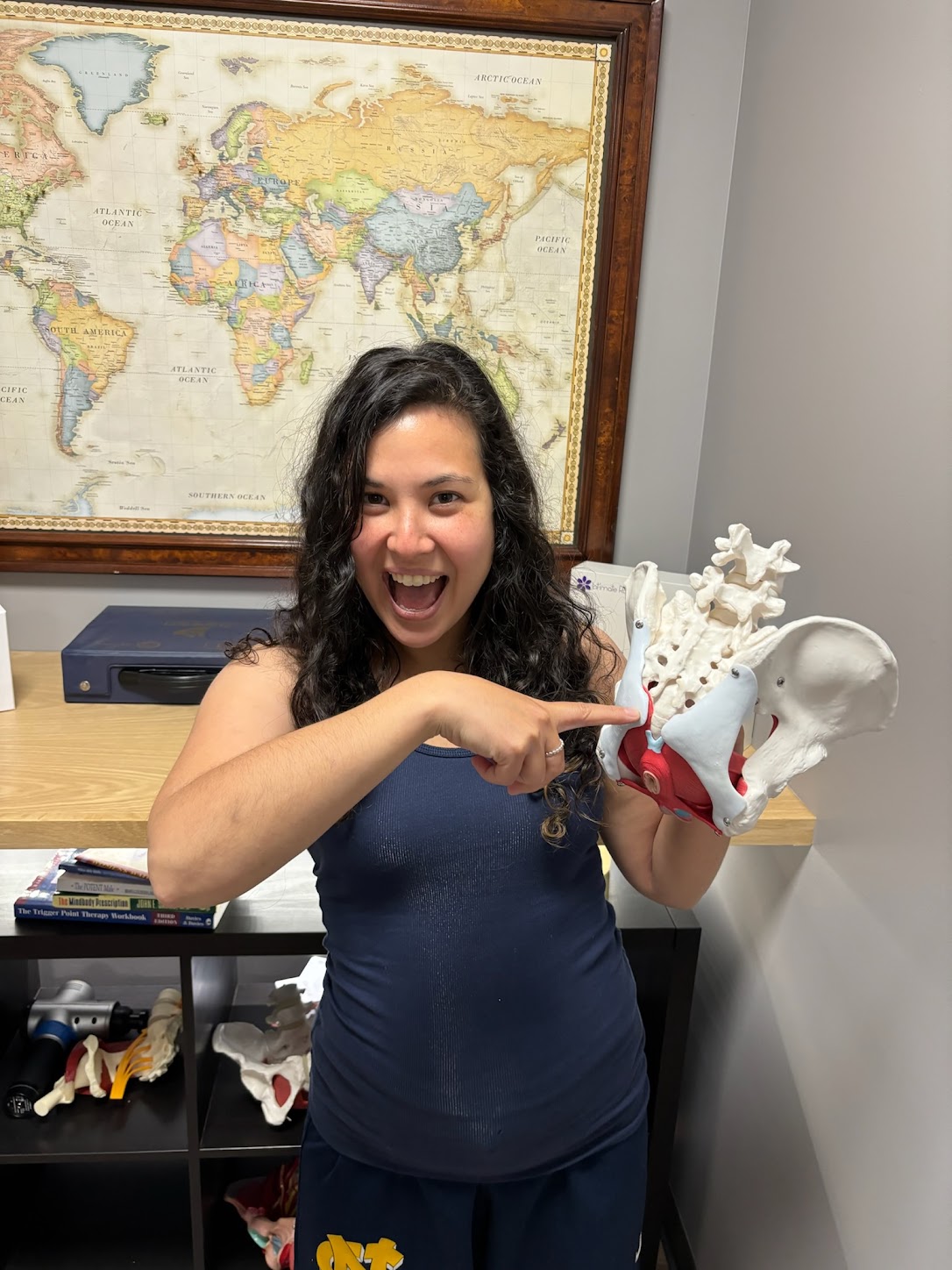
The coccyx plays four major roles in pelvic health and function:
In some cases, even an old tailbone injury from years ago can continue to affect coccyx alignment and pelvic floor function. Identifying and treating coccyx dysfunction is therefore an important part of addressing pelvic, low back, and bowel-related symptoms.
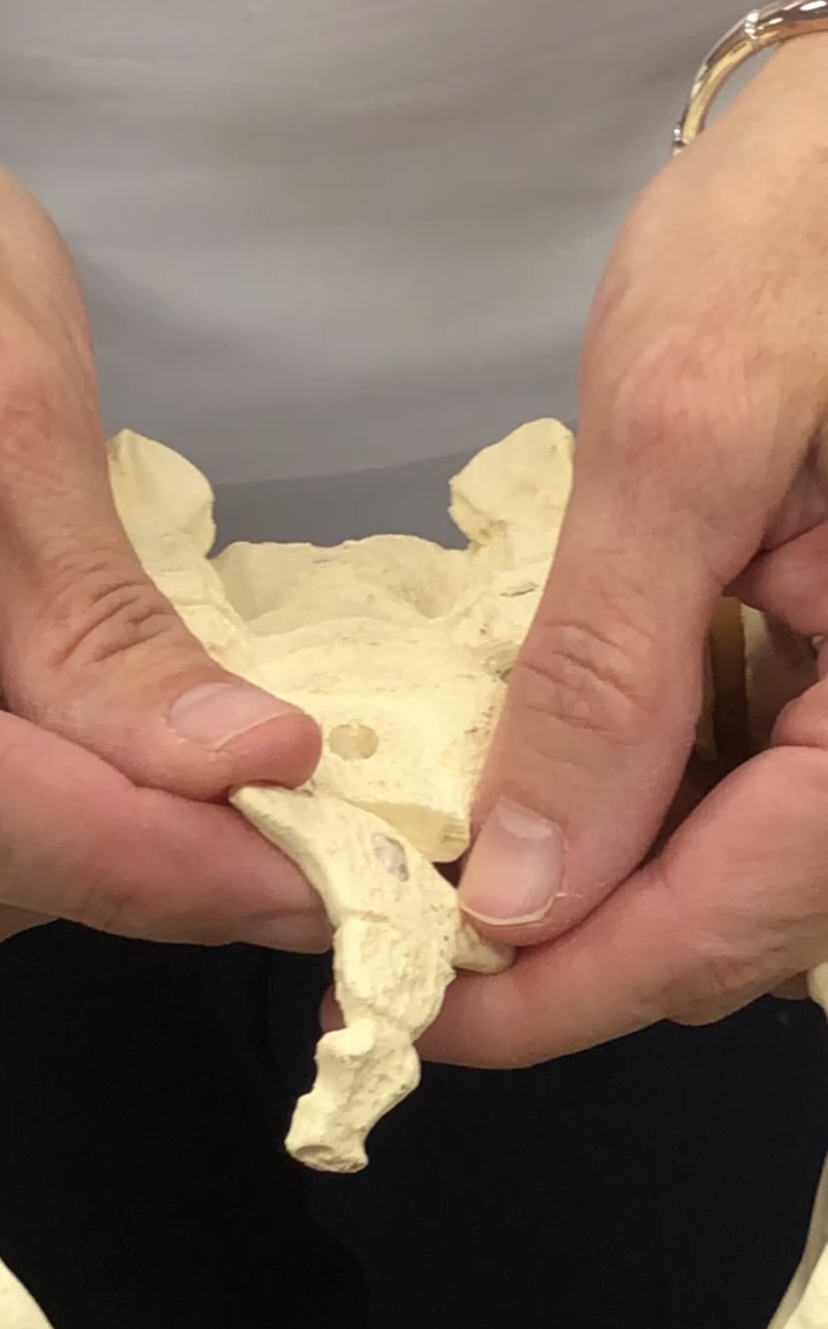
The most common causes of coccyx dysfunction include:
Because the coccyx anchors so many muscles, ligaments, and fascia, even small changes in its position can have wide-reaching effects—impacting bowel function, pelvic stability, and overall comfort.
At PelvicHealing, we perform a thorough orthopedic and pelvic floor evaluation to determine whether your tailbone is contributing to your pain. This may include:
Our goal is to identify not just the coccyx itself, but the chain of muscles and joints connected to it – so we can address the true source of your pain and restore balance.
To help our patients heal faster, we employ cutting-edge modalities such as warm laser therapy and teach them pain-reduction strategies as well as self treatment techniques. To ensure the best results, the therapists at Sarton Physical Therapy always spend an hour with each patient during every appointment.
“I was reluctant when my urologist insisted I try Sarton PT for my coccyx/sitting pain because I had a horrible experience with pelvic floor PT in the past and I also live in Texas! My doctor, however, was right and getting treated by Julie Sarton is worth the trips I am making to California every few months. Julie is the kindest most compassionate person you could ever meet and her experience with pelvic floor PT is unparalleled. She explained to me in detail why I was having this pain and in just 3 sessions I could feel the improvement in my symptoms. Julie gave me a home exercise program to follow until I see her again and she offered to guide any pelvic floor PT I find back home. Thank you Sarton PT for a being a warm and healing place like no other and for giving me hope.”
Julie has helped me tremendously with my Coccydynia pain. She is very knowledgeable and informative, and she has taught me a lot about pelvic health. I feel so much better every time I leave there. I would highly recommend her to anyone who has issues with their pelvic health. Julie and her staff are so kind and helpful.
You deserve answers and relief from your pelvic pain. Our experienced team is here to guide you in reclaiming your confidence and quality of life.