
A strong, functional core is important for everything you do—let us help you rebuild it with confidence.
Diastasis Rectus Abdominis (DRA) is the separation of the two rectus abdominis muscles—the “six-pack” muscles—along the linea alba (the connective tissue that runs down the center of the abdomen). This condition commonly develops during pregnancy due to hormonal changes and the stretching force of a growing uterus, but it can also occur in men and non-pregnant women, especially in cases of obesity or repetitive abdominal strain.
The abdominal wall is designed to do far more than just look flat—it transfers force between the upper and lower body, supports breathing, stabilizes the trunk, and protects the spine and pelvis. When DRA is present, this natural support system is compromised, sometimes leading to symptoms such as abdominal pain, low back pain, pelvic instability, or difficulty performing everyday tasks. Some people also notice a visible bulge or “doming” in the midline when they sit up or strain.
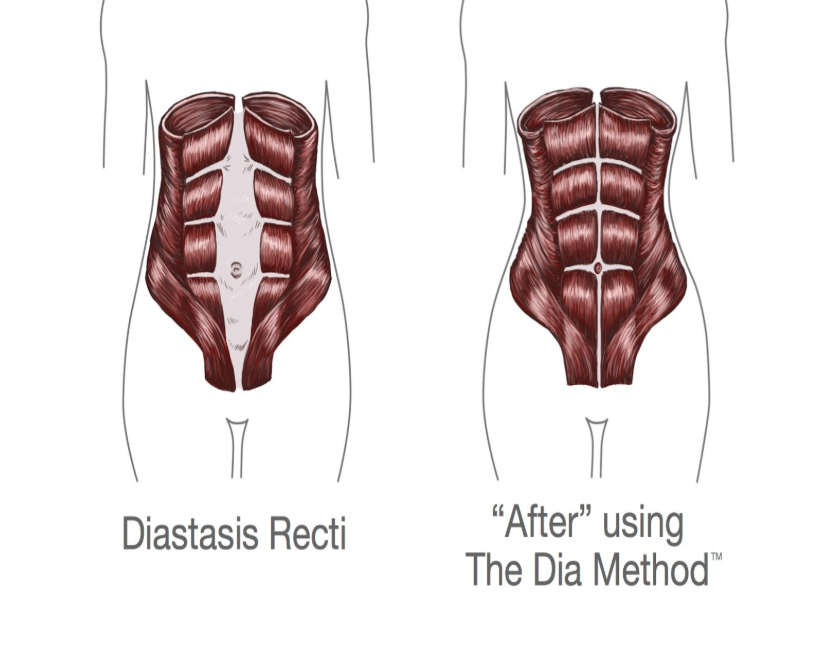
Research has helped shift the way we understand and treat DRA:
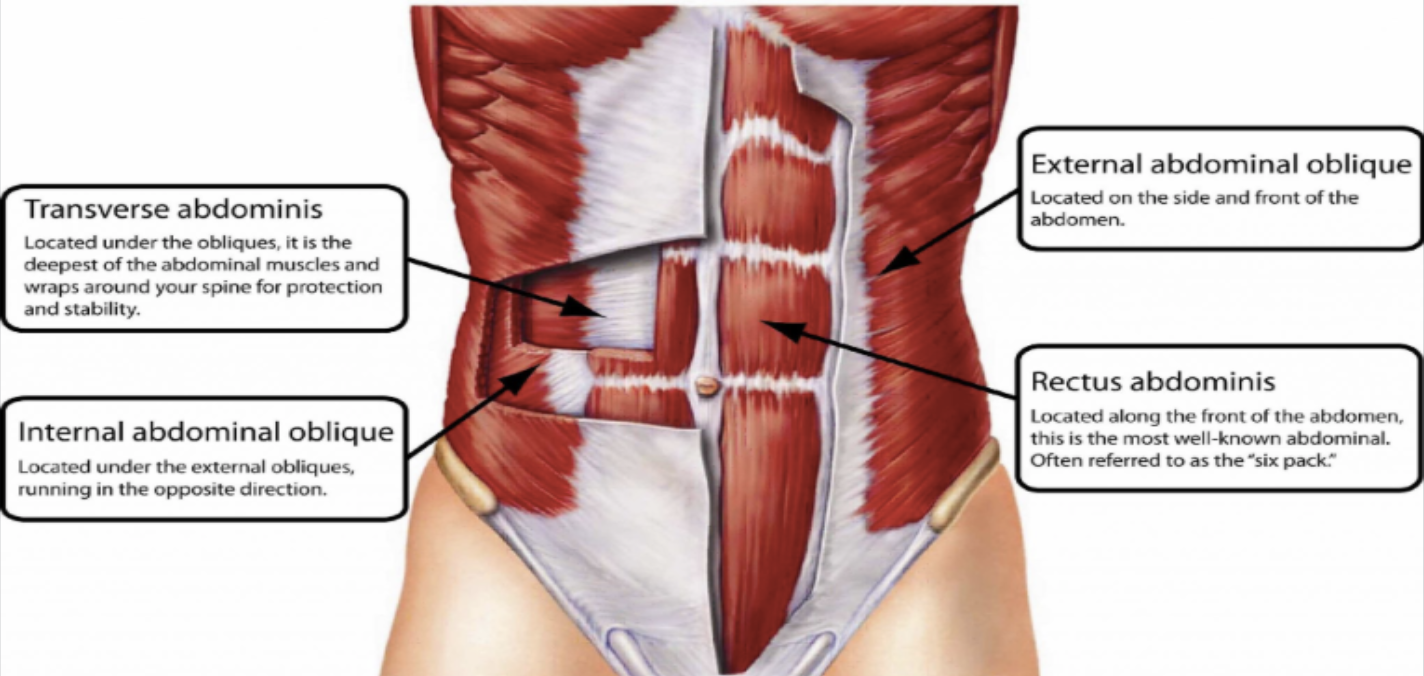
The primary cause of DRA is excessive, repetitive strain on the linea alba—the connective tissue that holds the two halves of the rectus abdominis together.
Contributing factors include:
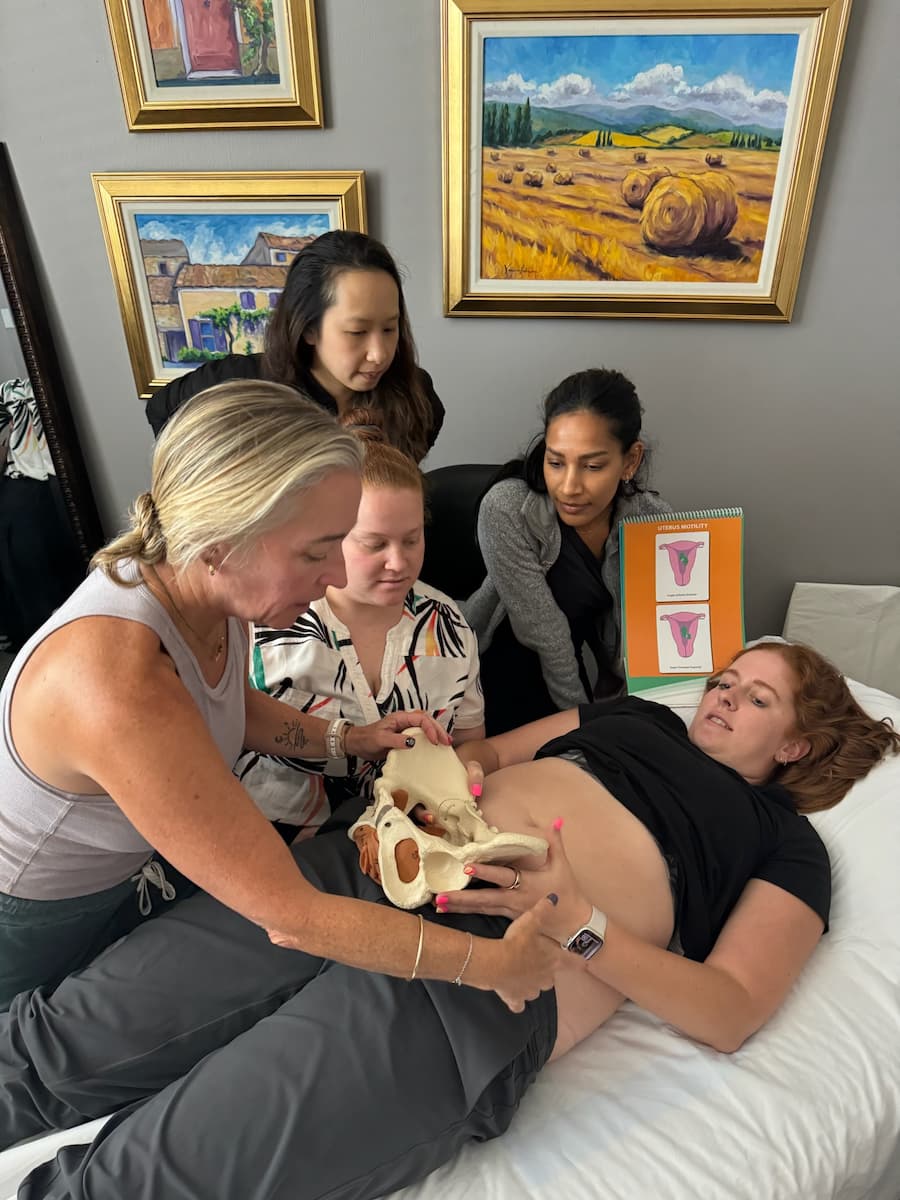
At Sarton Physical Therapy, our pelvic floor and core specialists provide a comprehensive evaluation that includes:
This whole-body approach allows us to determine not just if you have DRA, but how it is affecting your function—and most importantly, how to restore strength and stability safely.
At Sarton Physical Therapy, our goal is not just to “close the gap,” but to restore full strength, function, and confidence in your core. Every patient is different, so we design a plan that’s tailored to your body, your history, and your goals.
We focus on retraining your deep abdominal system—especially the transverse abdominis—in coordination with the pelvic floor, diaphragm, and spinal stabilizers. This whole-core approach helps create tension across the linea alba, improves stability, and protects against issues such as back pain or prolapse.
With consistent guidance, you’ll learn how to move, lift, and exercise with confidence again—whether that’s caring for your baby, returning to sport, or simply feeling strong in your own body.
“AFTER GIVING BIRTH FOR THE SECOND TIME I WAS DEALING WITH SOME UNPLEASANT SIDE EFFECTS MOSTLY DUE TO WEAKNESS IN MY CORE.
I went to see Julie, who was immensely helpful in teaching me the correct ways to recover. She taught me strengthening exercises, about the importance of balancing both sides of the body, and was a wealth of information on how the body works. She always said she would teach me “to be your own therapist” and I think I’m doing better at managing my much improved symptoms on my own. My visits with her were a ray of light in what was a dark time of recovery for me. She told me I would continue to get better, and I have been when before I didn’t understand what was going on with my body. If you’ve visited physical therapists who don’t seem effective in addressing your postpartum issues then you should really do yourself a favor and visit this clinic. I have absolutely no regrets about the time and money that I have invested here.”
I have seen almost all the therapists at Sarton, and I can honestly say that each one is fantastic. They have worked on my weak core, my tight pelvis, and have given me tools and exercises to “be my own therapist”.
“I finally feel like there is some hope for my core strength…I only wish I had found them sooner to start the rehab process of my super stretched abdominal muscles, and that I had known to see them during pregnancy to strengthen…”
I suffered from fairly severe DRA (5 fingers wide is typically the worst; mine is four fingers), and had tried to treat it before. I was at the point where I thought surgery was the only option, but figured I would give PT one last try and go to Sarton PT (based on a recommendation by a friend).
Sarton Physical Therapy changed my life. I went 3x week over just three weeks in December 2019 (before I had to leave and move back to Chicago). I lost 3 inches of the distension around my waist, gained strength throughout my core, back, and pelvic floor, and generally just started to feel like my body was functioning properly again with my DRA improving greatly.
You deserve answers and relief from your pelvic pain. Our experienced team is here to guide you in reclaiming your confidence and quality of life.