
Fragile bones don’t have to define your future – strength, stability, and confidence are possible at every stage of menopause.
Osteoporosis is a condition where bones lose density and become fragile, making them more susceptible to fractures. It is most common in women after menopause due to a natural drop in estrogen, a hormone that plays a vital role in maintaining bone strength. According to the National Osteoporosis Foundation, one in two women over the age of 50 will break a bone because of osteoporosis.
Beyond increasing fracture risk, osteoporosis can also impact posture, balance, and pelvic health. Falls and fractures in the spine, hip, or pelvis can drastically affect mobility and independence. Understanding this condition and taking proactive steps to strengthen both bones and muscles is key to living well.
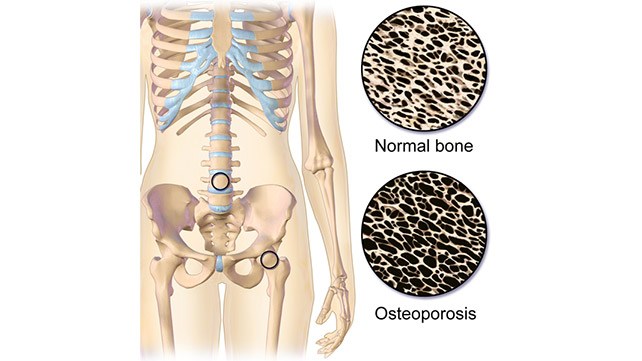
The structure of your bones is constantly changing. Specialized bone-building cells, called osteoblasts, lay down new bone material in areas exposed to regular force, while osteoclasts break down old bone tissue. Under healthy conditions, these two processes stay in balance—building new bone while removing old bone—to maintain strength and density.
During and after menopause, falling estrogen levels disrupt this balance. The body begins to break down bone faster than it can rebuild it, leaving bones porous, fragile, and more likely to fracture. This imbalance is the hallmark of osteoporosis.
Additional risk factors include:
The most common fracture sites are the femur (hip) and vertebrae (spine). For women in menopause, this means new or worsening back pain should never be ignored—it could be an early warning sign of a compression fracture. If you are experiencing persistent pain and have one or more risk factors, it’s important to discuss this with your healthcare provider.
At PelvicHealing, we start with a comprehensive evaluation of your posture, balance, bone health risk factors, and pelvic floor function. For women in menopause, we pay close attention to the spine, hips, and pelvis—areas most vulnerable to osteoporosis-related fractures.
We collaborate with your physician or specialist to understand your bone density results (DEXA scans) and tailor your therapy to your unique needs. By combining orthopedic assessment with pelvic floor expertise, we ensure you get a complete picture of your musculoskeletal health.
Our approach focuses on building resilience, reducing fracture risk, and improving quality of life through safe, guided interventions. We believe osteoporosis doesn’t have to mean limitation. With the right care, you can stay strong, reduce pain, and protect your independence well beyond menopause.
“I can’t recommend this place enough. The treatment is top notch, and everyone is warm and helpful. The physical therapists here are incredibly knowledgeable and have been able to explain medical terms to me in a way I understand. Don’t be apprehensive… just make an appointment as quick as you can!”
You deserve answers and relief from your pelvic pain. Our experienced team is here to guide you in reclaiming your confidence and quality of life.