
Gentle scar tissue release for C-section, hysterectomy, and abdominal scars — expert pelvic floor therapy in Orange County.”
When the body heals after an injury, surgery, or childbirth, scar tissue forms as part of the natural four stages of wound healing, which is why c-section scar rehabilitation can play an important role in recovery.

Sometimes, these collagen fibers don’t line up correctly, creating scar tissue or adhesions that limit movement, restrict circulation, or cause pain. This is especially common after abdominal or pelvic surgery, C-sections, or traumatic injuries.
Our therapists use gentle, research-based techniques such as skin rolling, cupping, myofascial release, and instrument-assisted soft tissue mobilization (IASTM) to help scar tissue remodel properly. These methods:
For patients with internal scar tissue or visceral adhesions, we also use visceral mobilization combined with fascial manipulation to restore mobility of the abdominal wall and surrounding organs.
The goal of scar tissue treatment at Sarton Pelvic Healing is simple: to reintroduce motion, circulation, and balance so your body can heal more fully and comfortably.
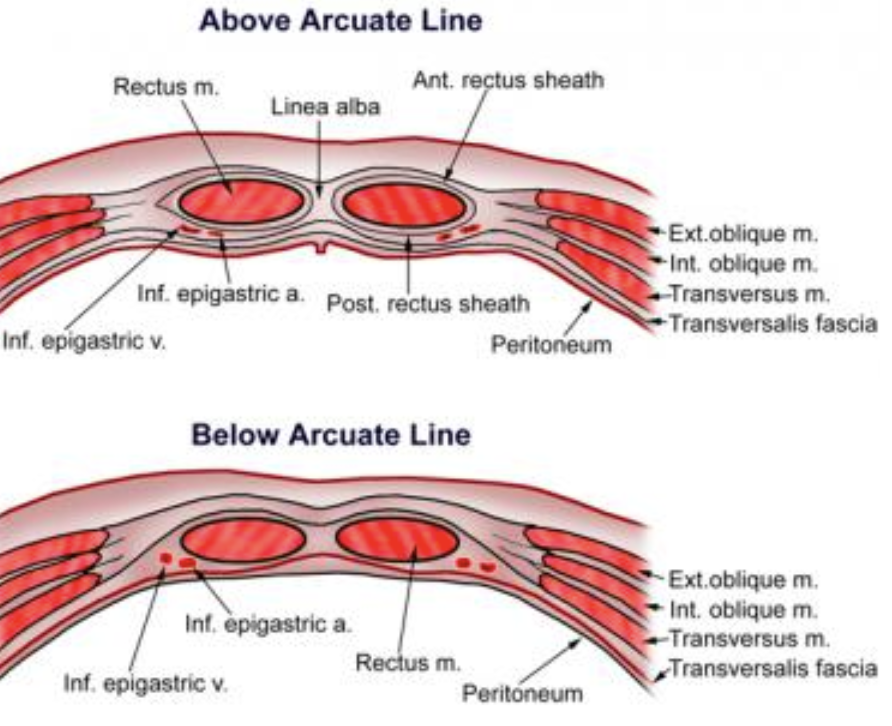
A mom, one year postpartum, came to our pelvic floor physical therapy clinic in Orange County with complaints of low back pain, abdominal weakness, and bulging along her midline (commonly called “tenting”) when trying to engage her core. She was diagnosed with Diastasis Rectus Abdominis (DRA) — a separation of the abdominal muscles that often occurs during pregnancy.
In her case, recovery was complicated by a C-section scar that was hypertrophic and tightly adhered to the surrounding tissue. This scar tissue restricted the motion of her lower abdominal wall and pelvic fascia, essentially holding her rectus abdominis muscles apart and preventing them from returning to their natural midline position.
Our treatment plan included:
With consistent treatment, she experienced less pain, improved core strength, and better abdominal wall function, allowing her to return to activity with confidence.
If you or a friend has dysfunctional scar tissue or adhesions that have not been treated, reach out to us. Patients who get scar tissue addressed earlier on, tend to have better outcomes. Physical therapy has the greatest potential to affect tissue healing within the remodeling phase of healing, so call us now!
Our therapy addresses a range of pelvic conditions, providing tailored treatment plans for each individual. Experience relief and regain control of your health with our expert care.

We specialize in alleviating chronic pelvic pain.
Our techniques help restore bladder control effectively.
We support healing after pelvic surgeries with care.
Treatment in this case began with scar tissue mobilization at the C-section site and surrounding fascia, along with manual therapy to the abdominal wall, spine, and pelvis. Her therapist guided her through targeted postpartum core exercises to retrain breathing patterns, improve muscle coordination, and safely strengthen her abdominal wall.
Sessions typically last 55 minutes, scheduled once to twice per week. As strength and mobility improve, frequency tapers down to every other week until able to maintain progress independently.
Scar tissue therapy is gentle and tailored to each patient’s tolerance. This mom described sensations of light pressure, stretching, and release as her scar softened. The treatment was safe and non-invasive, with her comfort carefully monitored throughout.
I can’t say enough about Dr. Sarton and her wonderful staff. I have a very popular California HMO and was first referred to physical therapy by a Urologist who (after 6 months of going round and round with multiple doctors at said HMO) finally diagnosed me with pelvic floor dysfunction. I was finally happy that they figured out what was going on with me but I could not get my first PT appointment for 9 weeks! This is when I went outside my HMO and found Sarton Physical Therapy. I finally did try my HMO PT and then couldn’t get my second appointment for another three weeks! Not only that, I was just disappointed with the whole treatment. I think she did an actual 15 minutes of actual physical therapy so I went right back to Sarton. This is what they specialize in and after just 4 sessions, I feel 90% better. I will not even try to go back to my HMO.