
Preparing well and recovering wisely: restore bladder control, sexual health, and pelvic strength after prostate surgery.
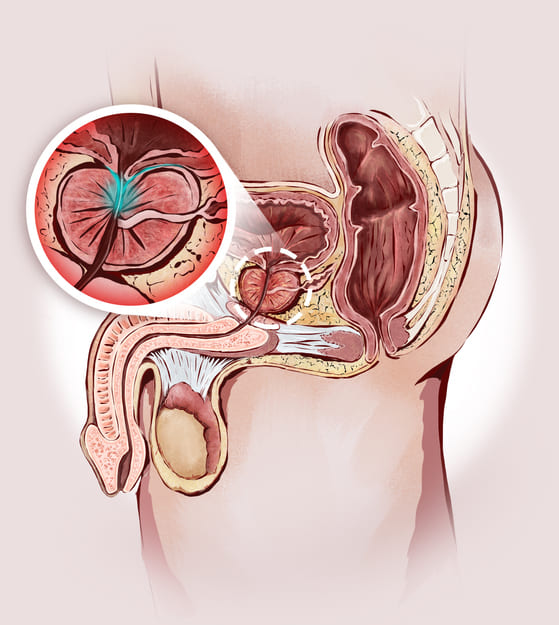
A prostatectomy is the surgical removal of all or part of the prostate gland, most commonly performed to treat prostate cancer or severe enlargement of the gland. While the procedure can be life-saving, it also places significant stress on the pelvic floor, bladder, and surrounding structures.
Both before and after surgery, the pelvic floor plays a central role. Pre-surgical rehabilitation (“prehab”) helps optimize recovery by reducing tension and fascial restrictions, strengthening the deep core and posterior chain, and preparing the body for surgery. This means the muscles and connective tissues that stabilize the pelvis are healthier going into the procedure.
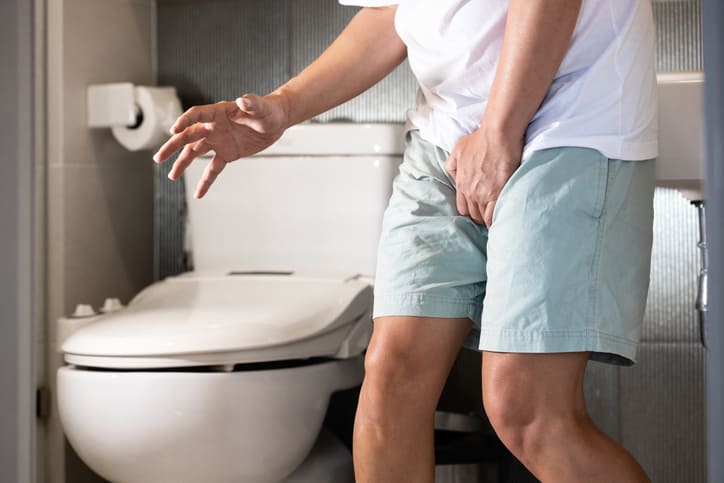
After surgery, men commonly experience challenges such as bladder dysfunction, urgency, or leakage (often related to catheterization and changes in bladder coordination), as well as erectile dysfunction due to pelvic floor muscle spasm, nerve involvement, or muscle discoordination. While some changes are related to hormonal factors, the musculoskeletal system—including the pelvic floor—can play a major role in recovery.
Several factors contribute to common post-prostatectomy symptoms:
At Pelvic Healing, your evaluation goes beyond simply addressing bladder or sexual symptoms after surgery. We take a whole-body approach to understand how your pelvic floor, core, and surrounding muscles are functioning together after prostatectomy. This may include assessing how well your pelvic floor coordinates during daily activities, screening for tension or weakness that may contribute to bladder leakage or pelvic discomfort, and identifying scar tissue or fascial restrictions that limit mobility. We also look at your posture, breathing mechanics, and strength in the hips and core to see how they may be influencing recovery. By piecing together these factors, we uncover the true drivers of your symptoms and create a targeted plan for healing.
Our treatment approach focuses on restoring strength, mobility, and confidence after prostatectomy. By addressing pelvic floor coordination, improving tissue mobility, and strengthening the core and hips, we help you regain bladder control, support sexual health, and return to daily life with less limitation.
You deserve answers and relief from your pelvic pain. Our experienced team is here to guide you in reclaiming your confidence and quality of life.