
When your body feels out of balance, so can everything else — but there is hope, help, and healing ahead.
Anterior wall prolapse, also called a cystocele, happens when the bladder drops from its normal position and pushes into the front wall of the vagina. This occurs because the muscles and tissues that support the bladder have become stretched or weakened.
For pelvic health, this shift in position can make it harder to fully empty your bladder, cause urine leakage, and increase the chance of bladder infections. You might notice a soft bulge in the vagina, a feeling of heaviness or pressure in the pelvis, or changes in bladder control.

In daily life, symptoms may be worse when you are standing for long periods, lifting, exercising, or during sexual activity. Coughing, sneezing, or straining with bowel movements can also make the feeling of pressure or bulging more noticeable.
This condition can develop for many reasons, including vaginal childbirth (especially if labor was long or difficult), hormonal changes after menopause, heavy lifting, chronic coughing, constipation, weight gain, previous pelvic surgery, or certain inherited conditions that affect connective tissue strength. These factors either weaken the supporting structures or put extra strain on them, allowing the bladder to move out of place.
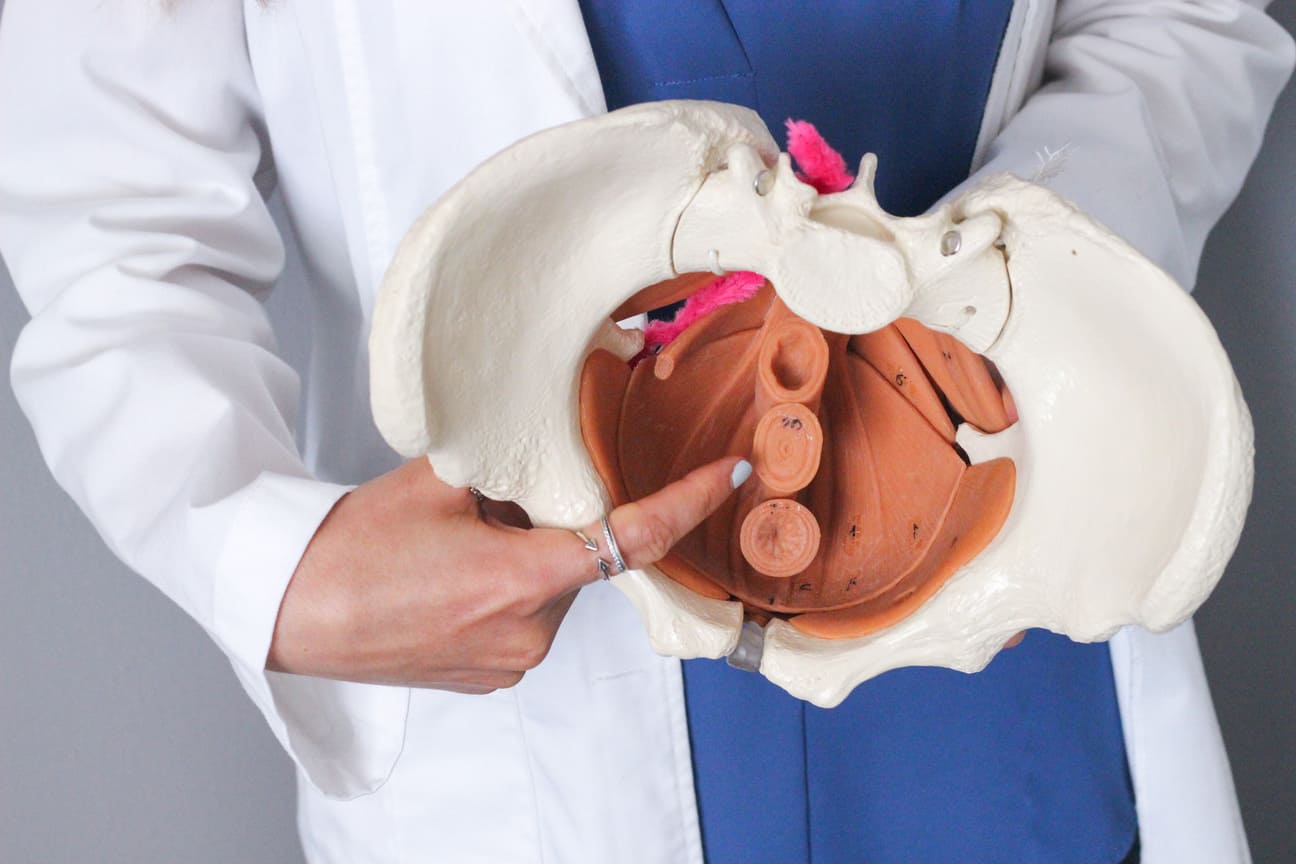
Anterior wall prolapse often develops gradually as the support structures between the bladder and vagina lose strength or are placed under repeated strain. Factors that contribute to this process can be grouped into three main categories:
Previous pelvic surgeries, such as a hysterectomy, and certain inherited connective tissue disorders may also reduce the durability of pelvic support. Over time, these influences can work together, weakening the tissues enough for the bladder to shift into the vaginal wall.
Diagnosing anterior wall prolapse begins with a detailed conversation about your symptoms, medical history, and any life events that may have affected your pelvic floor—such as childbirth, surgeries, or chronic health conditions. We then perform a comprehensive physical examination, which may include a gentle pelvic floor assessment to evaluate muscle tone, tissue support, and the position of the bladder in relation to the vaginal wall.
We also assess posture, core engagement, breathing patterns, and how the pelvic floor works in coordination with surrounding muscle groups. This whole-body perspective helps us understand not just the prolapse itself, but also the factors that may be contributing to it.
If additional insight is needed—such as imaging, lab tests, or specialist evaluation—we work closely with your referring physician or other healthcare providers. This collaborative approach ensures we identify all underlying contributors so your care plan is tailored specifically to your needs.
Overview of Sarton PT’s specialized, evidence-based treatment plan—multi-modal care customized to each patient.

I started a course of 10 treatments with Sarton due to a rectocele and cystocele prolapse. When I started, I was suffering with loss of sensation, lack of bladder control, and other pelvic issues.
By my 8th session I was at full strength and had recovered most of my function. They gave me plenty of exercises to continue my therapy at home, which was very helpful.
If you are suffering with pelvic issues, (google pelvic organ prolapse to see if you show any symptoms) I recommend you to book an appointment with the lovely therapists here.
The clinic is clean, welcoming and very relaxing! It was a real treat to go for treatment each week.
You deserve answers and relief from your pelvic pain. Our experienced team is here to guide you in reclaiming your confidence and quality of life.