
Recovery doesn’t end when the surgery is over. A guided rehab program helps restore strength, resolve scar tissue, and retrain your pelvic floor for its new role.
A hysterectomy is one of the most common gynecologic surgeries, performed for conditions like endometriosis, fibroids, pelvic organ prolapse, or cancer. While surgery can resolve the primary condition, it also creates a profound shift in pelvic anatomy and function.
Your pelvic floor muscles—designed to support the uterus, bladder, and rectum—suddenly face a new demand. Without the uterus, their role in stability and coordination changes. If there was already underlying pelvic floor dysfunction before surgery (as is common with prolapse, endometriosis, or chronic pelvic pain), those patterns don’t disappear—they often remain unless specifically retrained.

Hysterectomy rehab is a structured physical therapy program that addresses:
Just as orthopedic surgeries receive dedicated rehab, hysterectomy rehab should be the standard of care. Evidence supports that pelvic floor physical therapy reduces urinary incontinence, improves quality of life, and supports long-term pelvic health after hysterectomy, especially for concerns related to hysterectomy and prolapse (APTA, 2021; American Journal of Obstetrics & Gynecology, 2019).
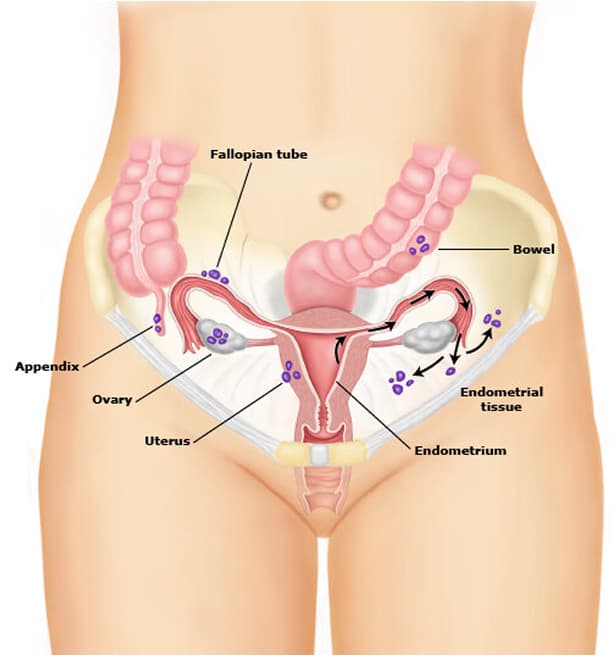
Post-hysterectomy challenges often stem from a combination of surgical changes and pre-existing dysfunction. The surgery itself alters pelvic anatomy, creating tissue trauma, swelling, and sometimes hormonal shifts if the ovaries are removed. Scar tissue and adhesions can limit mobility or create pulling sensations, while the pelvic floor muscles—which once supported the uterus—must adapt to a new role in stabilizing the bladder, rectum, and core.
Research shows that pelvic floor dysfunction is common after hysterectomy. A large cohort study published in the American Journal of Obstetrics & Gynecology (2019) found that women who undergo hysterectomy are at increased risk of urinary incontinence and pelvic organ prolapse in the years following surgery. Similarly, the American College of Obstetricians and Gynecologists (ACOG) emphasizes that hysterectomy can affect long-term pelvic floor support, particularly if there were underlying conditions such as endometriosis, fibroids, or prolapse.
Without a structured rehabilitation program, these factors can perpetuate pain, incontinence, and instability long after the surgical wounds have healed. Pelvic floor physical therapy helps to address both the immediate post-surgical changes and the baseline dysfunctions that may have contributed to surgery in the first place, creating a foundation for long-term pelvic health.
At PelvicHealing, your evaluation goes beyond checking surgical scars or basic strength. We take a whole-body approach to uncover how your pelvic floor, abdominal wall, posture, breathing, and daily habits are working together—or not—after hysterectomy. This may include an internal and external pelvic floor muscle assessment to check for tension, weakness, or poor coordination, testing of hip and core strength, evaluation of scar mobility and fascial restrictions, and screening for bladder or bowel dysfunction. Because many patients had underlying pelvic floor dysfunction before surgery, we also assess for those persistent patterns that may still be contributing to symptoms. When needed, we collaborate with your gynecologist, oncologist, or surgeon to ensure nothing is overlooked. This thorough process allows us to create a plan that not only helps you heal from surgery but also restores long-term pelvic health and function.
Our program is designed to guide you through every stage of recovery—addressing scar tissue, retraining your pelvic floor, and restoring full-body strength and balance. By combining hands-on therapy with tailored exercises and education, we help you move from post-surgical healing to long-term resilience. The goal isn’t just recovery—it’s feeling strong, confident, and supported in your daily life.
Went to Sarton Physical therapy after 5 years of pelvic and back pain following my hysterectomy. After only a few weeks my pain has improved immensely. They have taught me several things I can do at home to help maintain the improvements they have made. I have seen different therapist there and all of them have been top notch. They all truly care about your healing and teaching you things you can do in your everyday life that really make a difference in how you feel each day. I can’t believe that I spent 5 years in pain, went to many doctors and spent who knows how much money trying to get relief and in a short period of time Sarton has diagnosed and treated my body so that I now have hope to live a happier, pain free life again. What are you waiting for?? Hope and help is right here! Thanks to the Village of Healers at Sarton!!
“I have (been) dealing with pelvic pain/issues after a hysterectomy 10 years ago. I regret that I did not set up appointments sooner…”
“Two and a half years ago I was diagnosed with Stage 3 Pelvic Floor Disorder (PFD) after a hysterectomy. I opted for the Trans Vaginal Mesh surgery with the understanding that I would be “fixed”. I was “fixed” for about three months and then my pelvic floor started to fall again. PFD doesn’t just impact ones ability to urinate, defecate, and have intercourse, but it’s extremely uncomfortable, and exhausting to have your organs laying on top of each other.
I found a new Urogynocologist thinking that I would just get another surgery and get “fixed” again. Most of my PFD symptoms had returned and I was in constant pain and discomfort, I had chronic UTI’s which caused me to start to become resistant to antibiotics. My new doctor said my repair was fine and I did not require another surgery, but I had a chronic condition I needed to learn to live with. I still had a weak pelvic floor and the surgery helped in that the organs were back inside my body, but my muscles were not strong enough to keep them in place throughout the day. She told me my pain was not from the mesh, but from muscle spasms as my pelvic floor struggled to support the mesh which was supporting my organs and I needed physical therapy for my pelvic floor. I had no idea what that entailed, to say I was skeptical is an understatement. However, at this point I had nothing too lose and figured I’d go one time, think it was a waste of time and quit, but at least I could report back to my doctor I tried it. I was desperate to find a solution to my pain and discomfort.
The staff at Sarton is stellar and they take great pride in what they do, but more importantly they believe in what they do. I was expecting the facility to be cold, uninviting and clinical like the many doctor offices I had been in over the last two years, but it was welcoming, comfortable and I kid you not, spa like. At Sarton they understand that by the time a patient sees them they have been to numerous doctors, feel hopeless and are desperate for help. Sarton understands the emotional toll pelvic pain has on their patients and family members. Not only are they extremely respectful due to the nature of the subject matter but they provide emotional support and more importantly they provide hope.
I have been going to a Sarton for over 6 months and I am now a believer. I have learned exercises to strengthen my pelvic floor and increase my endurance. I do my exercises every night as if practicing a religion. I physically feel better now than I have in the last two years. Am I “fixed”? No, I will never be fixed, but my quality of life is back, and I have no pain or muscle spasms. It’s been a long journey and I will have to do my pelvic floor exercises the rest of my life if I want to continue to have normal bladder, bowel and sexual function. I’m extremely grateful to everyone at Sarton for their support. Sarton doesn’t just treat the disorder, they treat the whole person.”
You deserve answers and relief from your pelvic pain. Our experienced team is here to guide you in reclaiming your confidence and quality of life.