
“Finding relief from the struggle — restoring natural bowel function and easing the stress of every bathroom visit.”
Anismus, also called dyssynergic defecation, is a pelvic floor coordination disorder where the muscles around the rectum tighten instead of relaxing during a bowel movement. This makes it difficult for stool to pass, even when the urge to go is strong. Over time, this can lead to straining, incomplete emptying, and discomfort, impacting daily routines and quality of life. The condition can develop due to pelvic floor muscle tension, learned patterns from past pain, or neurological signals that misfire during the process of elimination.
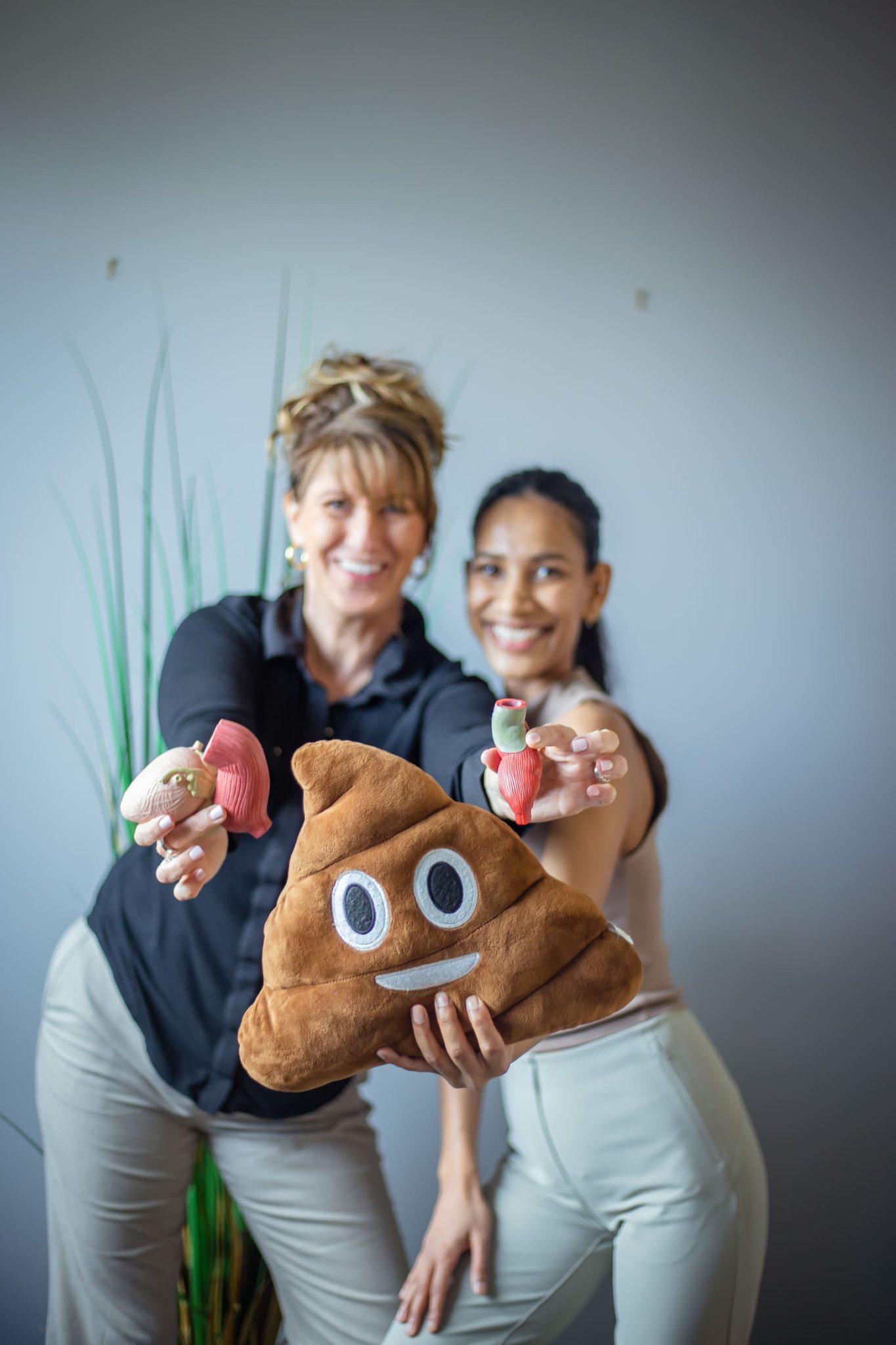
Anismus often results from a miscommunication between the brain and pelvic floor muscles, leading them to contract instead of relax during defecation. This can be triggered by a history of painful bowel movements, chronic constipation, or anal fissures that cause protective tightening over time. Other contributors may include pelvic floor muscle overactivity, scar tissue from surgery or childbirth, nerve dysfunction, or prolonged straining habits. Stress, anxiety, and changes in bowel routines can perpetuate the cycle, making symptoms more persistent.
Our evaluation begins with a detailed discussion of your medical history, bowel habits, and symptom patterns. We perform a gentle pelvic floor muscle assessment to evaluate muscle coordination, strength, and relaxation ability. Depending on your needs, we may collaborate with your physician for additional tests such as anorectal manometry or defecography to visualize muscle function during a bowel movement. This comprehensive approach ensures we address not only the symptoms but also the underlying movement patterns contributing to the problem.
Overview of Sarton PT’s specialized, evidence-based treatment plan—multi-modal care customized to each patient.
“After being in traditional PT for six months with no change to my pain AND after seeing another pelvic PT whose web ratings were better than their actual care for their patients, I came to Sarton PT. Julie’s compassion and years of expertise are bar none. She took me from living a level 9 pain for over a year, to functioning with my family again!! Julie and her staff are incredible. Wish there were 20 stars to rate how awesome they are!”
You deserve answers and relief from your pelvic pain. Our experienced team is here to guide you in reclaiming your confidence and quality of life.