By: Julie Sarton, PT, DPT, WCS
Did You Know…
…that the clitoris is on average 1/8th the size of the penis, yet is loaded with nearly double the nerve endings?! Yep, it is reported that the tip of the clitoris alone has 8,000 nerve endings while the penis has 4,000 nerve endings.
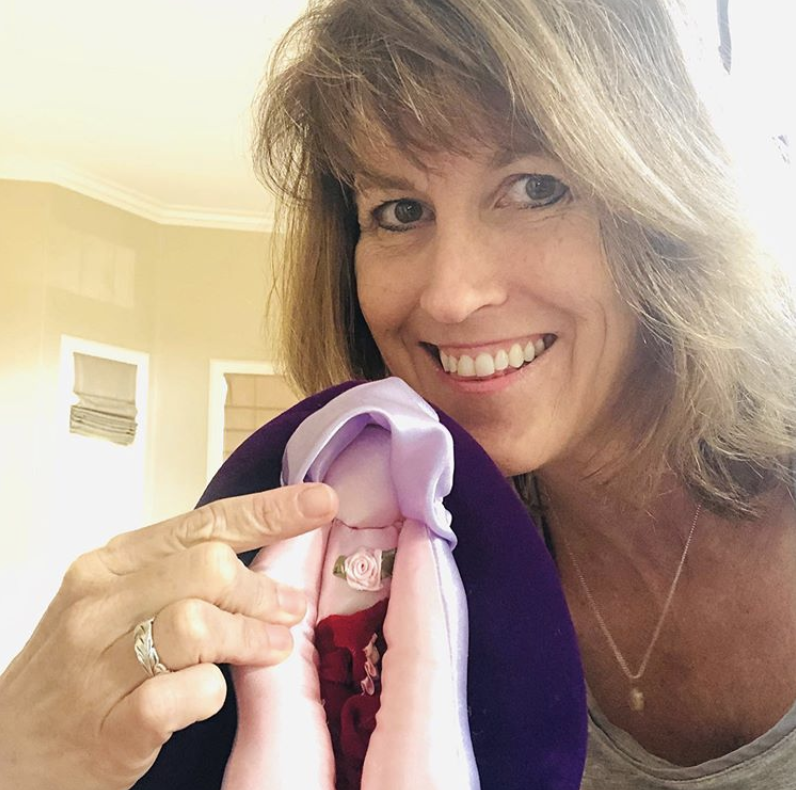
The rest of the clitoral structure, the shaft and legs (or crura which encircle the entrance to the vagina) actually have even more nerve endings. It is postulated that the clitoris is so extensive that it contains the so called G-spot within the vagina as well.
Additionally, women have a total of over 15,000 nerve endings in their genitals. These nerve endings connect back to the pudendal and pelvic nerves which in turn connect to the spinal cord and then on up to the brain. This is one of the reasons why women’s orgasms have the potential to be stronger and longer than men’s (not that we are comparing…), while also highlighting the importance of addressing orgasm difficulties through pelvic floor therapy.
If you have clitoral dysfunction or pain, know that you can get help. A pelvic floor physical therapist who treats sexual pain is a great place to start. The following should be considered regardless of whom you work with:
1. Hormonal Status:
The glans clitoris is highly dependent on both estrogen and testosterone. Obtaining labs to see what your hormone status is important. Note: Free testosterone, not total testosterone, needs to be calculated (more to come on this in a future post). As women age and go through menopause, we lose BOTH ESTROGEN AND TESTOSTERONE over time. The same thing can happen to some younger women who are on the oral birth control pill for an extensive amount of time.
2. Muscle Involvement:
The clitoral hood which covers the tip of the clitoris has 2 pelvic floor muscles that attach directly onto it – the bulbocavernosus and ischiocavernosus muscles. Both of these muscles greatly influence the clitoris.
3. Nerve Functioning:
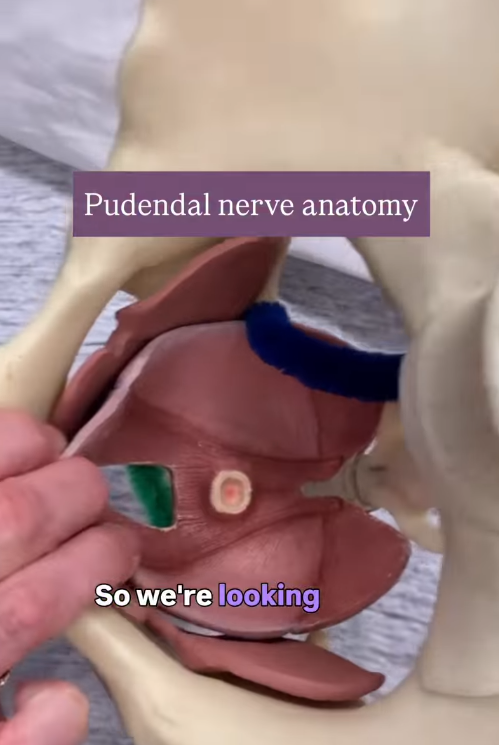
One of the branches of the pudendal nerve, the dorsal branch innervates the glands of the clitoris. If this is angry, irritated or not firing appropriately, sensation can be altered.
4. Blood Flow:
If you have worked with me, you have heard me say, “It’s all about blood flow!” A quick & easy way to increase this is through the use of a vibrator!
We want to encourage you to get evaluated by one of our outstanding physical therapists, and regain control of your life. Pelvic pain, pelvic floor dysfunction, back pain, tailbone pain—you name it—these conditions do not have to control your life. There is hope. Call us today to book an appointment or inquire about a virtual, online treatment session.