If you were not able to make it to the most recent Women’s Pelvic Floor Friends’ session, don’t worry!
We’ve got you covered with a recap.
Our space was filled with brave, badass women who came to share their stories, empower each other, and learned with open hearts and minds about pain science and neuroplasticity from our knowledgeable team member, Dr. Lindsey Liggan, PT, DPT, WCS, PRPC.
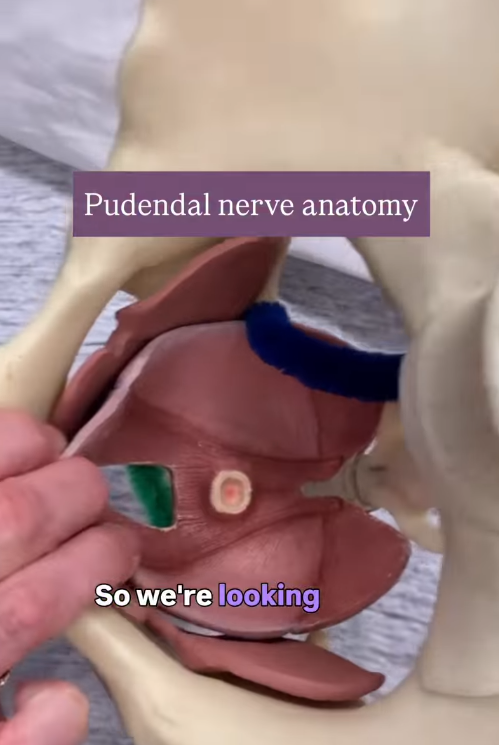
We discussed pain science and neuroplasticity in relation to the various diagnoses of which our community comes in with such as pudendal neuralgia, endometriosis, interstitial cystitis, birth trauma, and vulvodynia, including pudendal neuralgia in male cyclists — a pain science perspective.
Dr. Lindsey Liggan, PT, DPT, WCS, PRPC opens up with, “I hear you, I see you, your pain is real.” So what does this mean on a pain science and neuroplasticity level?
Pain is your body’s protective mechanism and alert system when it receives a threat such as movements associated with previous painful experiences or something as simple as stepping on a Lego piece.
The peripheral nervous system acts as side streets to the main highway, your spinal cord, which makes up your central nervous system along with the brain. Nerves from the periphery relay sensory information to the spinal cord and brain when tissues get injured. Thus, the brain perceives a threat to the system to protect your body and manifests in pain. Furthermore, your brain goes through changes in motor and sensory processing in response to pain.
When pain persists, your nervous system becomes more sensitive. So, what can feed into this heightened nervous system sensitivity? Thoughts such as fear of movement, stress, and negative beliefs about your body’s way of healing can contribute to your nervous system behavior. Overtime, the brain creates changes in motor and sensory processing due to these nervous system adaptations. The pain may spread due to neurons surrounding the genital area are becoming more sensitive—that’s if your pain originated in the genital area. What was once genital pain may now migrate to your hands, feet, knee or a different part of the body. This is called cortical remapping.
What we know is that tracking the sources and identifying triggers to your pain is an important starting point of how we can better manage your pain in a sustainable, effective way. Movement and exercise are one of the best ways to manage pain and get you back to the activities you once thought were not possible.
At Sarton Physical Therapy, we value each of our patients’ unique experiences as these play a crucial role in the healing process. We work with you to find what works best for your personalized healing plan in order improve health and function and most importantly, achieve your goals. Our goal is to teach patients to become their own therapists, equipping them with the tools they need to succeed.
Related article: Healing Pelvic Pain: Why Pacing is an Essential Ingredient
References:
Butler, D. S., & Moseley, G. L. (2003). Explain pain. Adelaide: Noigroup Publications.
We want to encourage you to get evaluated by one of our outstanding physical therapists, and regain control of your life. Pelvic pain, pelvic floor dysfunction, back pain, tailbone pain—you name it—these conditions do not have to control your life. There is hope. Call us today to book an appointment for or inquire about a virtual, online treatment session.