View this post on Instagram
A post shared by Dr. Julie Sarton & The Pelvic Healing Team (@pelvichealing)
What Is Visceral Manipulation?
Visceral manipulation is a hands-on manual therapy approach focused on the mobility of tissues surrounding the body’s internal organs, often referred to as the viscera.
Your organs don’t exist independently inside the body. They have relationships with surrounding fascia, connective tissue, muscles, blood vessels, nerves, and other structures.
Practitioners trained in visceral manipulation use gentle manual contact to assess how tissues in areas such as the abdomen and pelvis move and respond.
If an area appears relevant to a patient’s symptoms, gentle techniques may be used with the goal of improving tissue mobility and reducing restrictions in the surrounding tissues.
Why Would a Physical Therapist Work Around Your Organs?
Physical therapy is often associated with muscles, joints, stretching, and strengthening.
But pelvic health physical therapy can involve a much broader examination.
The abdominal wall, pelvic floor, scars, connective tissue, breathing mechanics, nerves, hips, spine, and surrounding tissues can all be considered when trying to understand a patient’s symptoms.
For example, someone who has undergone abdominal or pelvic surgery may develop scar tissue or changes in tissue mobility. Pregnancy, childbirth, injury, inflammation, or other medical experiences may also affect how different tissues feel and move.
That doesn’t mean an organ itself is necessarily causing someone’s pain.
Instead, a physical therapist may consider whether mobility or sensitivity in the surrounding tissues appears relevant to the patient’s overall presentation.
What Happens During Visceral Manipulation?
A visceral manipulation session begins with an individualized assessment.
Your physical therapist may ask about your symptoms, medical history, previous surgeries, injuries, digestive or pelvic symptoms, and other factors that could influence treatment.
During the hands-on portion of the session, the therapist may gently place their hands on different areas of the abdomen, pelvis, rib cage, or other parts of the body.
The pressure is generally controlled and adapted to the patient.
Rather than simply massaging the abdomen, the therapist is assessing how different tissues move and whether certain areas reproduce symptoms, feel restricted, or appear relevant to the broader examination.
Treatment can then be adjusted based on those findings.
Does Visceral Manipulation Hurt?
Visceral manipulation is generally intended to be a gentle manual therapy technique.
However, an area that’s already sensitive may feel tender when examined or treated.
Treatment shouldn’t simply be a matter of pushing harder into a painful area. Your physical therapist can adjust the amount of pressure and the technique according to your comfort and response.
Communication is important throughout the session, particularly if something feels painful or uncomfortable.
How Is Visceral Manipulation Used in Pelvic Floor Physical Therapy?
The pelvis contains an interconnected system of muscles, fascia, nerves, connective tissue, and organs.
For that reason, pelvic floor physical therapy doesn’t always focus exclusively on the pelvic floor muscles themselves.
Depending on the patient, treatment may consider areas throughout the abdomen and pelvis.
Visceral manipulation may be one component of that larger treatment strategy when a physical therapist believes surrounding tissue mobility is relevant to the patient’s symptoms.
It may be used alongside approaches such as:
- Pelvic floor muscle treatment
- Connective tissue mobilization
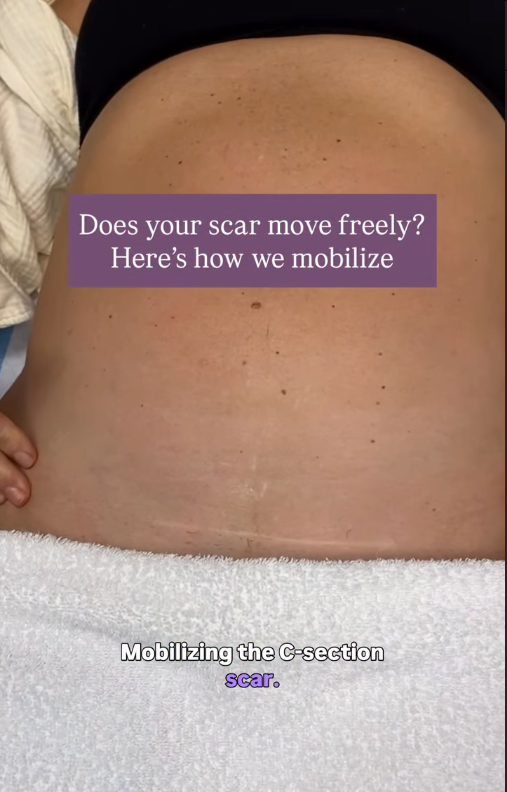
- Scar mobilization
- Breathing exercises
- Strengthening
- Mobility exercises
- Movement retraining
- Patient education
The appropriate combination depends on the individual rather than a single treatment protocol.
What Conditions Is Visceral Manipulation Used For?
Practitioners may incorporate visceral techniques when treating patients with a variety of pelvic, abdominal, or musculoskeletal complaints.
However, visceral manipulation shouldn’t be viewed as a proven standalone treatment for a particular diagnosis.
Research into visceral manipulation and visceral osteopathic techniques remains limited, and evidence for treating specific medical conditions is mixed.
The more useful question is whether a trained physical therapist identifies tissue restrictions or sensitivity during an examination that appear relevant to your individual symptoms.
If so, visceral techniques may be considered as one part of a comprehensive treatment plan.
Why Experience the Treatment Yourself?
Healthcare providers sometimes recommend treatments that fall outside their own specialty.
Experiencing a technique firsthand can provide a different understanding of what a patient may encounter during an appointment—from how the examination feels to the amount of pressure used and how the therapist explains the treatment.
That’s exactly why this particular session at Sarton Physical Therapy took place.
The goal was to experience visceral manipulation personally and better understand the details of a treatment that may be recommended to patients.
Is Visceral Manipulation Right for Everyone?
No single manual therapy technique is appropriate for every patient.
Before performing visceral manipulation, a physical therapist should consider your symptoms, medical history, surgeries, current health, and any factors that could make a particular technique inappropriate.
That’s especially important when someone has new or unexplained abdominal or pelvic symptoms.
Physical therapy shouldn’t replace appropriate medical evaluation when symptoms could indicate an underlying medical condition.
The Bottom Line
Visceral manipulation is a specialized hands-on technique that some physical therapists use to assess and address mobility in tissues surrounding the body’s internal organs.
In pelvic health physical therapy, it may be incorporated when restrictions or sensitivity in the abdomen, pelvis, scars, or surrounding connective tissues appear relevant to a patient’s symptoms.
It’s not a standalone solution for every pelvic or abdominal problem, and the research behind visceral manipulation continues to develop.
Instead, it’s best understood as one potential tool within an individualized physical therapy treatment plan.
If you’re experiencing persistent pelvic or abdominal symptoms and wondering whether visceral manipulation could be appropriate for you, a comprehensive evaluation at Sarton Physical Therapy can help determine which structures may be contributing to your symptoms and which treatment techniques make sense for your situation.