
You are not broken and you are not alone. Vaginismus is a physical condition, not “just in your head,” and with the right care, healing is possible.
Vaginismus is a condition in which the pelvic floor muscles tighten involuntarily, causing vaginal penetration to be painful or sometimes impossible. These muscles, which support the bladder, uterus, and vagina, enter a state of spasm when penetration is attempted.
This can make intercourse, tampon use, or even a routine gynecological exam difficult or impossible. Over time, vaginismus may create a cycle of pain, fear, and avoidance of intimacy. Unfortunately, many women go years before receiving the right diagnosis – often being told “it’s just anxiety” or “it’s in your head.” In reality, vaginismus is a physical condition rooted in pelvic floor muscle function, and it can be treated successfully.
(Note: If your symptoms sound different, you may also want to explore our pages on Vulvodynia & Vestibulodynia, Painful Intercourse (Dyspareunia), or Hypertonic Pelvic Floor.)
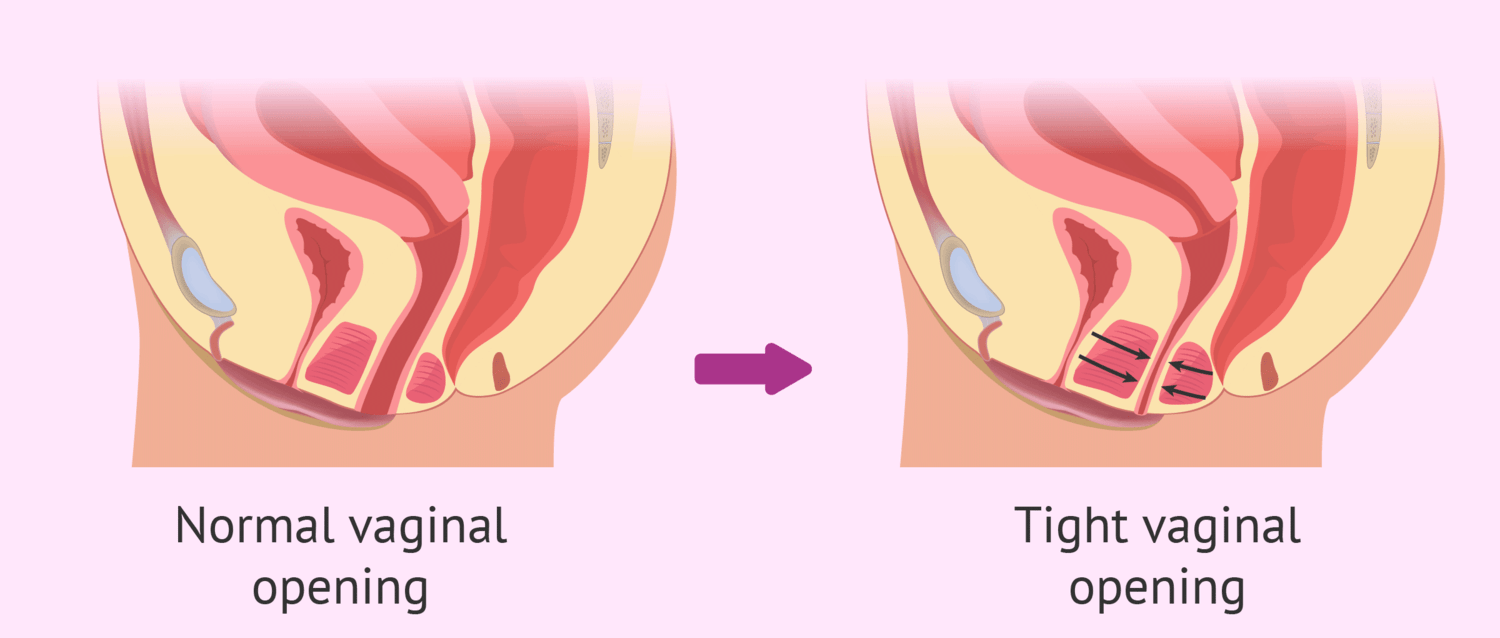
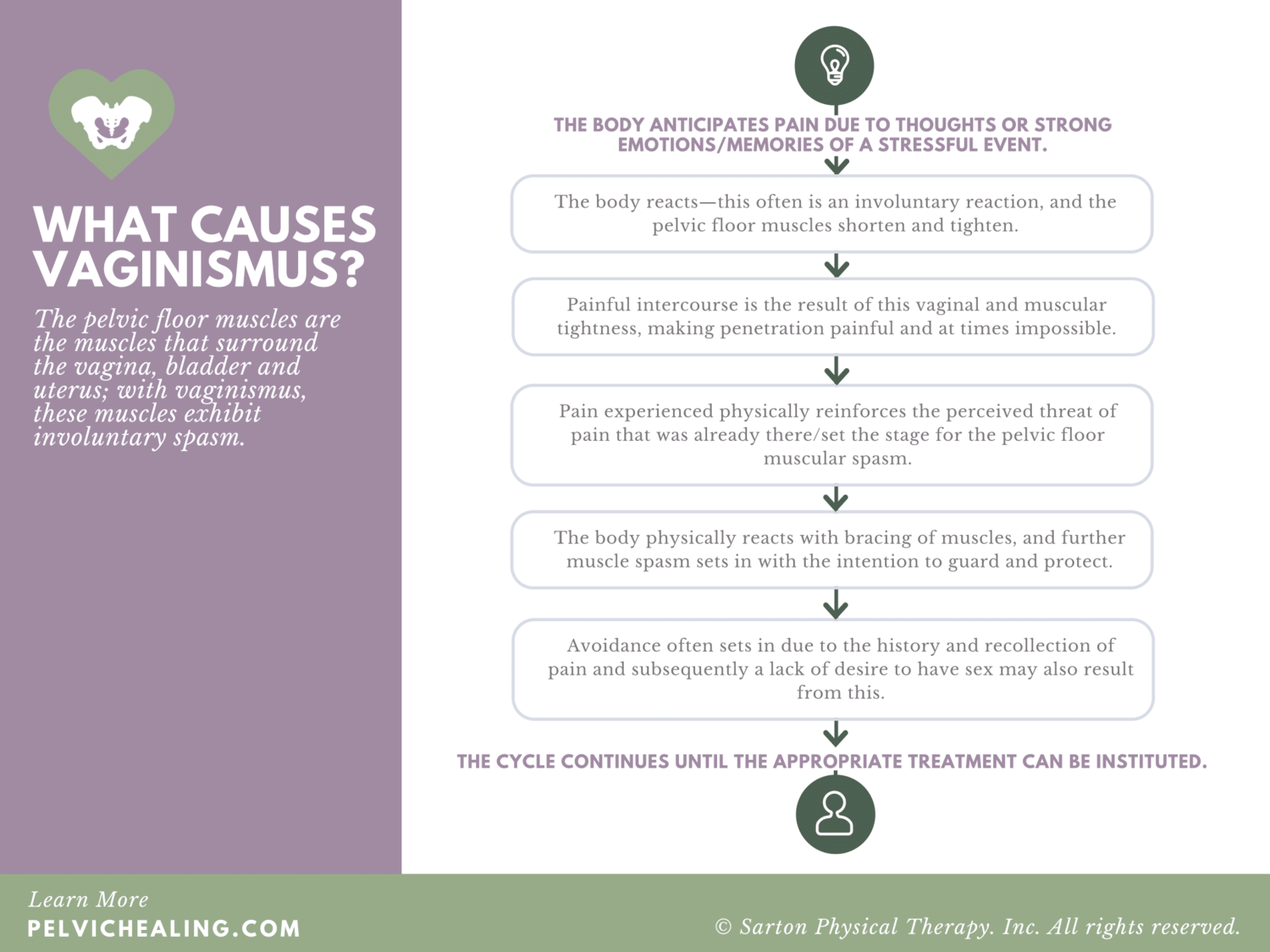
Vaginismus is not caused by one single factor – anything that triggers the body to anticipate pain can lead to involuntary pelvic floor tightening. Once the cycle begins, it often perpetuates itself.
Common contributing factors include:
When the pelvic floor muscles learn to contract in anticipation of pain, the result is a self-perpetuating cycle: anticipation → spasm → pain → more anticipation. Breaking this cycle is the cornerstone of treatment.
At Sarton Physical Therapy, our pelvic health specialists perform a thorough evaluation to understand how your muscles, joints, nerves, and connective tissues are contributing to vaginismus.
Your assessment may include:
Because California is a direct access state, you do not need a physician’s referral to begin pelvic floor physical therapy.
At Sarton Physical Therapy, we specialize in treating vaginismus with a comprehensive and compassionate plan of care. Treatment is multi-modal and addresses both the physical muscle spasm and the emotional cycle that perpetuates pain.
Treatment may include:
Kegels are often contraindicated for vaginismus, as they can worsen symptoms. Instead, therapy focuses on releasing and lengthening the pelvic floor through manual therapy combined with dilator work and guided instruction to safely retrain the muscles.

“Before starting at Sarton Physical Therapy, I had been struggling with pain for so long that I didn’t even fully realize the extent of it because it had become normal to me.
Self-referring to Sarton was a complete shot in the dark for me. I’m in my 20’s and knew nothing about pelvic floor physical therapy, but I was too nervous to go to the gynecologist and not be understood and I was desperate for answers and hoping Sarton could at least point me in the right direction. Instead, they’ve gone above and beyond. From the very beginning, I felt heard, supported, and safe.
I’ve primarily worked with Dr. Nikita, who has been incredible. She listens, problem solves, and tailors care specifically to what I need. Her support and understanding have been truly life changing. I have also worked with Megan on strengthening, and she has been amazing at not only helping me exercise properly but also ensuring my pelvic floor is being strengthened and cared for in the process.
If you’re struggling with pelvic pain and feeling unsure about where to turn, I can’t recommend Sarton enough. I know how scary that first appointment can seem, but this is a place where you will be listened to, understood, and supported every step of the way. I’ve learned so much about my body and have made real progress in my healing journey, which I never thought was possible before.”
You deserve answers and relief from your pelvic pain. Our experienced team is here to guide you in reclaiming your confidence and quality of life.