
Maybe you’re reading this because you’re in pain. Maybe you’re reading this because you pee your pants on occasions that are too common and under circumstances that are less-than-convenient. Maybe it hurts you or your partner to have sex. It’s possible that you’re here because you can’t sit for prolonged periods of time without being in pain, or you’re having trouble going to the bathroom.
Perhaps you are pregnant and hoping to prepare for giving birth, or you are postpartum and looking to guide your miracle-building body toward its optimal state of function. The list goes on and on. If there is one thing we know for sure, it’s this: whatever your reason for having landed on this page, you’re in the right place. There is hope and healing for whatever pelvic floor dysfunction you are facing. Know that we are here to help you.
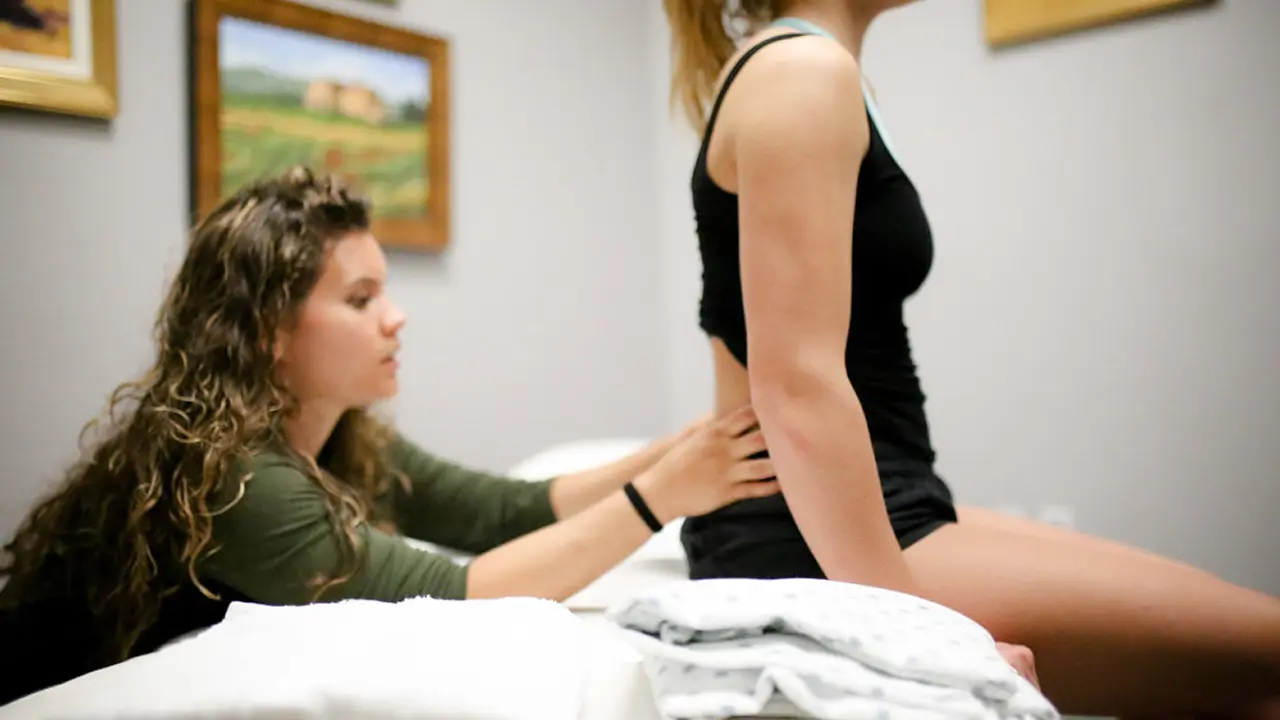
The pelvic floor is a group of muscles that attaches to the front, back, and sides of the pelvis and to the tailbone and sacrum. These muscles support the pelvic organs, including the bladder, uterus or prostate, and rectum, and wrap around the urethra, vagina (in women), and rectum. Coordinated contraction and relaxation of these muscles helps control bladder and bowel function. For your pelvic floor to perform optimally, these muscles must be able to lengthen to allow blood flow and mobility of your connective and muscle tissue, which is why many individuals benefit from pelvic floor physical therapy.

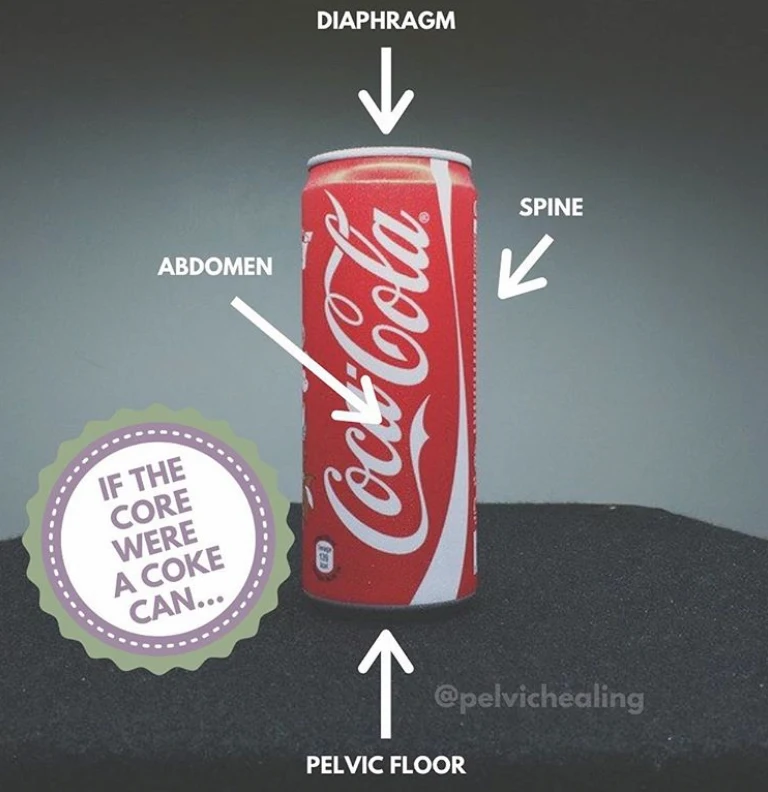
Your pelvic floor is an essential part of your core and works in harmony with other muscles to support your body. Many people think of the core as just a six-pack of abs, but in reality, it’s more like a can of Coke. The lid is your diaphragm, the front wall is your abdomen, the back wall is your spine, and the bottom is your pelvic floor.
Your pelvic floor muscles support your organs, aid sexual function, and help control elimination.
Your pelvic floor (bottom of the can) and diaphragm (lid) move together with your breath to promote balance, circulation, and core health.
At Sarton Physical Therapy, we like to say that the pelvic floor has 5 essential “S” functions:
The pelvic floor controls opening and closing to prevent leakage and allow proper urine and bowel elimination.
It stabilizes the pelvis and transfers force between the legs, hips, and core.
The pelvic floor muscles help us achieve arousal and orgasm.
It helps circulate lymph fluid and blood from the pelvis into the trunk.
The deepest layer of your pelvic floor acts like a supportive basket that holds your organs securely in place.
Did you know that your low back pain, hip pain, lower quadrant pain, bladder urgency/frequency, vulvar pain or coccyx pain may actually not be coming from these sources? Rather, it may be rooted in pelvic floor muscular dysfunction. Why? The brain only perceives where the pain is felt and not the actual source of the pain. Fascinating, we know (we nerd out over all things pelvic floor).
So, part of your healing journey will include you being a detective, too—going to work with your practitioner to figure out any referral patterns that exist and are rooted in your pelvic floor musculature. You can then eradicate any underlying sources and causes of your pelvic pain, sexual pain and even orthopedic pain!

Our passion is to provide healing that lasts. Period.
How do we do that? Our strategic approach to helping people move optimally is to look at the person’s whole body as a system that works and functions together.
Healing is not a one-size-fits-all approach. With two cases hardly the same, we believe in creating a customized healing plan unique to your pain capacity, medical history, daily pain patterns, and so much more. Our comprehensive evaluation will help to identify the causes driving your symptoms. An extensive medical history and physical exam reveals whether poor posture, faulty biomechanics, tight muscles, trigger points, weakness, or nerve disorders are part of your problem. Additionally, restricted scar tissue or adhesions, connective tissue and fascial restriction are always assessed.
Your individualized treatment program may include any or all of the following:
Manual therapy
Visceral manipulation
Scar tissue adhesion release
Strain or counter strain
Nerve flossing and neural tension releases
Intramuscular trigger point therapy injections
Pilates-based therapeutic exercise
Core stabilization training
Functional exercise and prescriptive
therapeutic exercise
Physioball and foam roller exercise
Neuromuscular re-education techniques
Postural re-education
Pelvic floor biofeedback
Patient and family education
Instruction in a home exercise program
Class IV warm laser therapy
Comprehensive education on how to make you the CEO of your own body
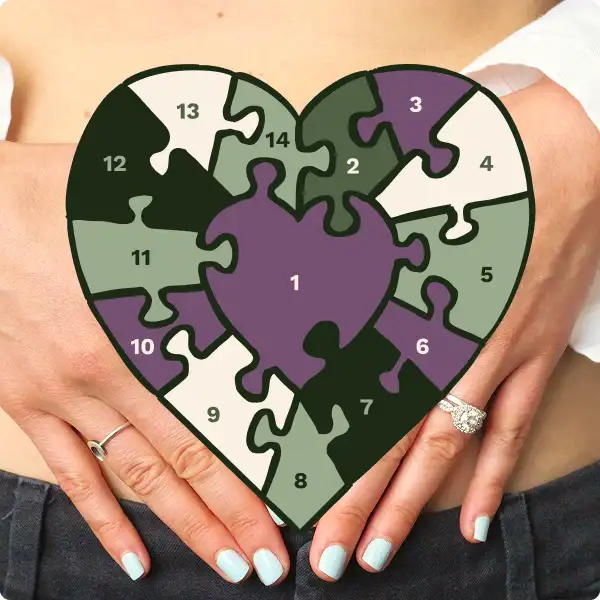
For more information about our personalized treatment approach, take a look at our Sarton Physical Therapy Healing Heart®.

Sarton Physical Therapy is excited to have a Class IV Warm Laser to help patients maximize their progress towards long-term goals of decreased pain and increased function.
Our board-certified pelvic health experts are here to answer your questions and help you feel confident about your care.