
Bladder leaks are common. Living with them doesn’t have to be.
Urinary incontinence is the involuntary loss of urine, and it is far more common than most people realize. More than 25 million Americans live with incontinence, including nearly 40% of women, 10% of men, and 17% of children under 15. Even young athletes are affected—studies show that nearly 1 in 3 college-aged athletes report leakage during sports. Pregnancy and childbirth also increase risk, since the pelvic floor muscles and pudendal nerve are significantly stretched and stressed during this time.
There are three main types of urinary incontinence:
In addition to leakage, many people also struggle with other bladder and voiding difficulties that affect quality of life, such as:
These conditions are not just inconveniences—they can limit social activities, reduce confidence, and even contribute to feelings of shame or isolation. The good news is that pelvic floor physical therapy offers safe, conservative, and effective treatment to restore bladder control and improve daily life.
Bladder control depends on the coordinated function of the pelvic floor muscles, bladder, urethra, and nervous system. When any part of this system is disrupted, incontinence or voiding dysfunction can occur. Pregnancy and childbirth often place significant strain on the pelvic floor, while hormonal changes during menopause can weaken tissue support. In men, prostate enlargement or prostate surgery may interfere with normal bladder emptying. High-impact sports, repetitive straining, chronic constipation, and heavy lifting can also contribute to pelvic floor stress and leakage. In some cases, neurological conditions such as stroke, multiple sclerosis, or spinal cord injury impair the communication between the brain and bladder. Trauma to the pelvic nerves or soft tissues can further disrupt bladder function. Because the causes are often multifactorial, a thorough assessment is essential to identify the root contributors for each individual.
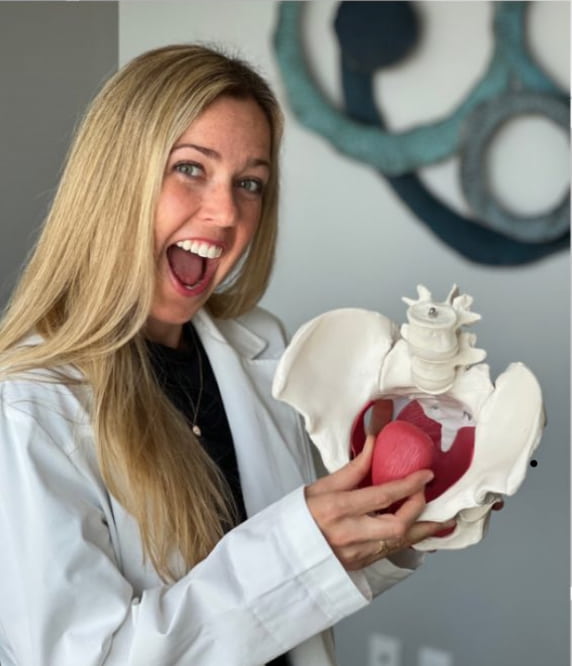
At PelvicHealing, we go beyond surface-level symptoms to understand the full picture of your bladder health. Your evaluation begins with a detailed review of your bladder habits and fluid intake, followed by an assessment of pelvic floor muscle strength, tone, and coordination—both externally and internally when appropriate. We also look closely at posture, breathing mechanics, and core stability, since these play a key role in bladder control. In addition, we screen for scar tissue, nerve involvement, or musculoskeletal issues that may be contributing to your symptoms. When needed, we collaborate with your physician to ensure that any necessary medical testing or imaging is completed. This holistic approach allows us to identify the true cause of your incontinence or voiding dysfunction so we can create a treatment plan that is precise, effective, and individualized.
According to the American Physical Therapy Association (APTA), proper treatment by a pelvic floor physical therapist can significantly reduce or even eliminate urinary incontinence. In fact, a study published in the Annals of Internal Medicine (2008) found that pelvic floor muscle training combined with bladder training successfully resolved symptoms in many women. Similarly, the New England Journal of Medicine identifies pelvic floor muscle training as the first-line treatment for stress incontinence, with physical therapy recommended for women who struggle to properly activate these muscles on their own.
At Sarton Physical Therapy, we create an individualized treatment plan for every patient. Because research shows that up to 40% of women perform Kegels incorrectly, we often use biofeedback to teach patients how to effectively contract and relax their pelvic floor. Once this foundation is established, we integrate research-based pelvic floor Pilates and functional strengthening to retrain the muscles in upright, real-life positions. Treatment may also include behavioral strategies—such as identifying and reducing dietary bladder irritants—to reduce leakage episodes.
Our therapists dedicate a full hour to every appointment, ensuring you have the time, support, and guidance needed to achieve lasting results. With advanced board certification in pelvic health, our team provides the highest level of expertise in helping you restore confidence, control, and freedom.

“My urologist suggested that I needed to do pelvic floor PT and I put off going for an entire year because the idea of it intimidated me. There is absolutely nothing to be intimidated about, especially here. My only regret is that I wish I started sooner.”
“When I first started coming to Sarton Physical Therapy, I could hardly use the restroom without a burning sensation and not being able to fully empty my bladder.”
“I came to Sarton Physical Therapy for urinary urgency and hip pain. The care was extraordinary by Dr. Allea Francis which was exceptional and beyond measure. After an evaluation and two visits, my hip pain and urgency was completely gone!!! ”
“I am so glad my urologist referred me to Sarton Physical Therapy. The treatments and exercises prescribed to me have helped me greatly with my incontinence issues allowing me to avoid surgery.”
You deserve answers and relief from your pelvic pain. Our experienced team is here to guide you in reclaiming your confidence and quality of life.