
“Restoring comfort and confidence with every step.”
Pubic pain most often develops when the joint at the front of the pelvis—the pubic symphysis—becomes irritated, unstable, or strained. This joint is made up of two pubic bones connected by a small cartilage disc and reinforced by four strong ligaments. When these tissues are working properly, they provide stability for everyday movements like walking, standing, and lifting.
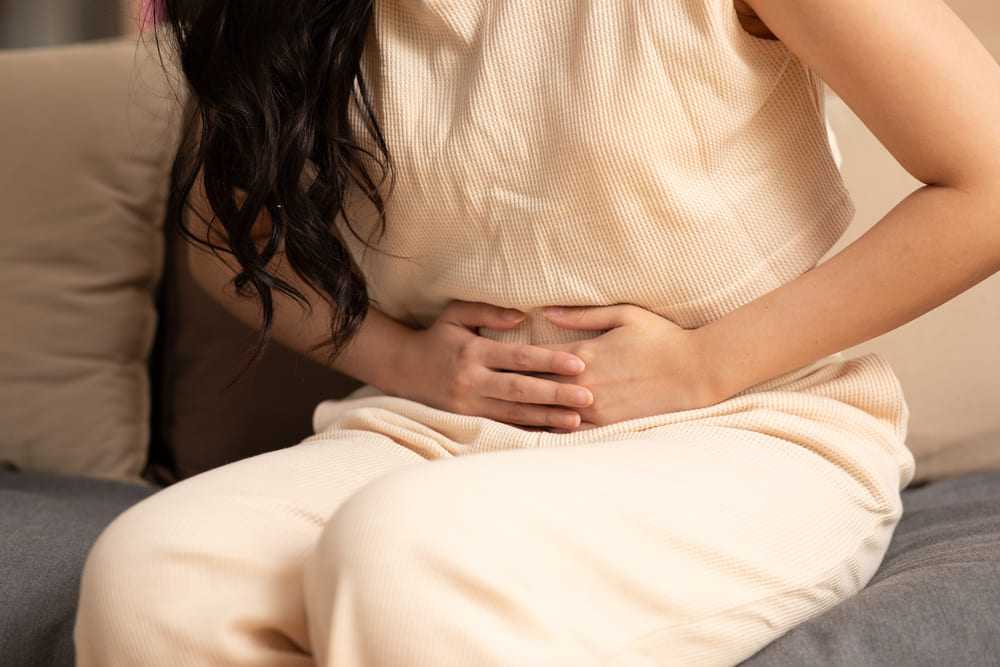
During pregnancy, hormonal changes (especially the hormone Relaxin) naturally increase ligament laxity and joint mobility to prepare the body for childbirth. For many women, this change is temporary, but studies show that about 1 in 3 women experience pubic pain during pregnancy, and for some, the discomfort may continue even after delivery.
As the gap of the pubic symphysis widens—sometimes more than the typical 2–3 mm increase seen in pregnancy—the joint may become painful and unstable. This can make simple activities like rolling in bed, getting dressed, or caring for your newborn feel difficult or uncomfortable.

One of the most common contributors to pubic pain is pregnancy. During this time, the surge of the hormone Relaxin softens the ligaments around the pubic symphysis, allowing more mobility in preparation for labor and delivery. While this flexibility is helpful for childbirth, for some women it can create joint instability, leading to inflammation and pain.
The pubic symphysis also experiences strain from everyday activities. Sitting compresses the joint, standing places pulling and compressive forces, and movements like walking or climbing stairs add repetitive stress. When the joint is already irritated or inflamed, these normal activities can trigger significant discomfort.
Other contributing factors may include:
When these influences combine, the pubic symphysis loses stability and becomes more vulnerable to pain with simple, daily movements.
At Sarton Pelvic Healing, we take a comprehensive approach to understanding your pain. Our evaluation may include:
Our goal is to identify not just the irritated joint, but the underlying muscle, ligament, or movement imbalances that contribute to your pain—so we can create a targeted, effective treatment plan.
At Sarton Pelvic Healing, treatment for pubic pain is individualized and comprehensive, with the goal of reducing pain, restoring stability, and helping you move with confidence in your daily life.
Our approach may include:
Our team of board-certified pelvic health physical therapists is here to guide you through recovery with compassionate, evidence-based care—so you don’t have to live with this pain.
“Living in constant, debilitating pain was not an option for me. I am so grateful that my journey led me to you and Sarton PT.”
You deserve answers and relief from your pelvic pain. Our experienced team is here to guide you in reclaiming your confidence and quality of life.