
Healing pelvic pain with understanding, skill, and a whole-person approach.
Female pelvic pain refers to discomfort, aching, or sharp sensations that occur anywhere in the lower abdomen, pelvis, or genital region. Pain may be constant or intermittent and is considered chronic when lasting longer than six months. For many women, this pain lingers for years, especially when it is misdiagnosed or left unexplained, affecting not only physical function but also emotional well-being and quality of life.
The way pelvic pain is experienced can vary – some describe it as aching or pressure, while others feel burning, stabbing, or cramping sensations. Pelvic floor physical therapy is a powerful tool in addressing these symptoms, because the pain often has a musculoskeletal component. Contributing factors may include: poor posture, lack of flexibility or strength, core or pelvic floor weakness, sacroiliac joint dysfunction, and myofascial restrictions. Pain can also arise after abdominal or pelvic surgery, traumatic vaginal delivery, gait disturbances, or occupations requiring prolonged sitting, such as office or driving jobs.
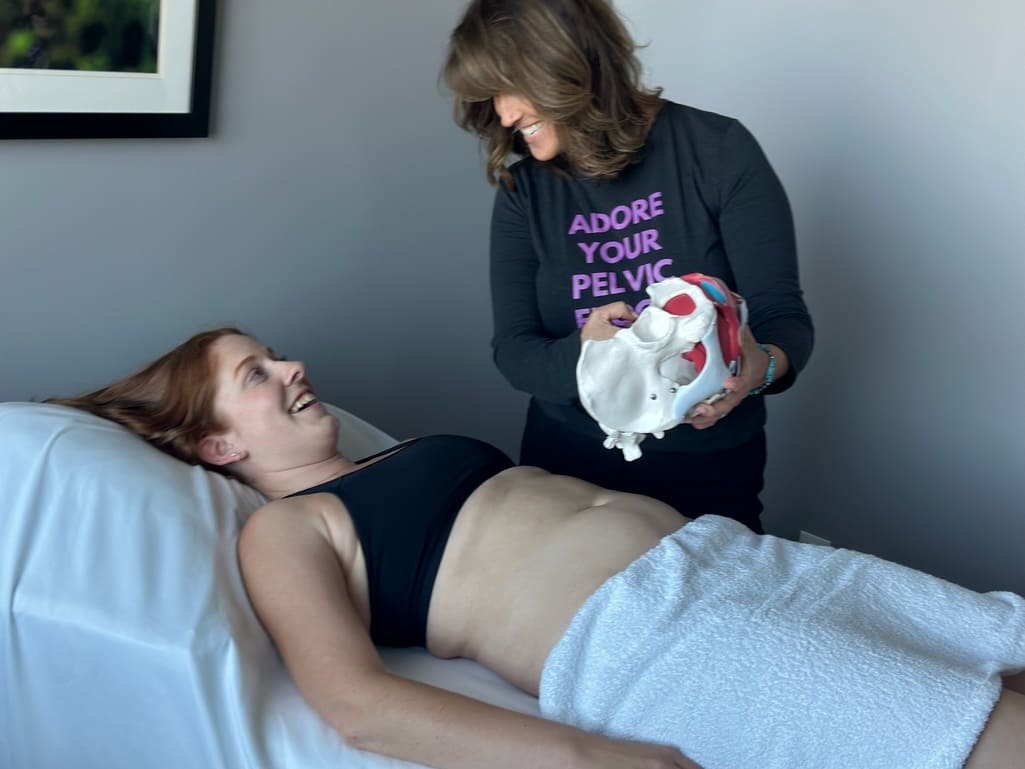
In addition, pelvic pain is sometimes linked to past trauma, sexual abuse, or deeply held belief systems around the body, which can influence how the nervous system and muscles respond to stress. In these cases, pelvic floor muscles may remain in a chronic state of guarding or spasm, perpetuating pain.
At PelvicHealing, our specialized pelvic floor team looks beyond just the physical layers of the pelvis—we also recognize the impact of trauma, stress, and whole-body imbalances. By combining skilled physical therapy with a compassionate, individualized approach, we help uncover why pain is happening and create a path forward toward relief and healing.
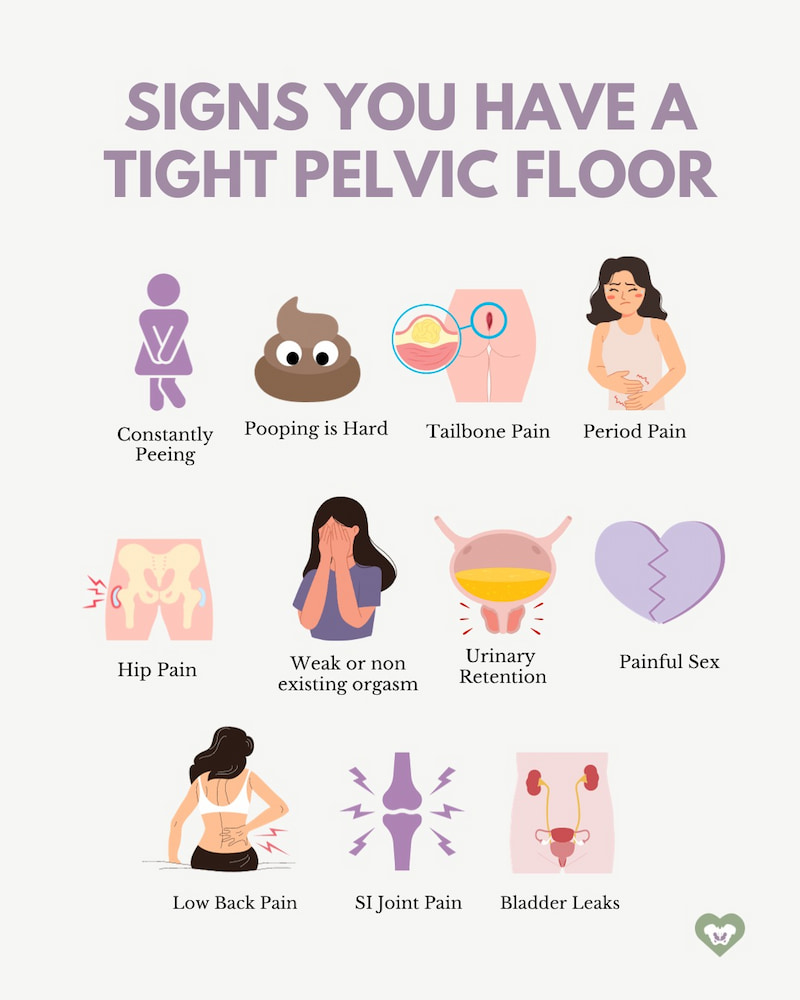
Pelvic pain can feel very different from one person to the next. Some describe it as a constant ache, while others notice sharp, stabbing, or burning sensations that come and go. Common experiences include:
Many people with pelvic pain also report frustration, fatigue, or emotional distress after being told “everything looks normal” despite very real symptoms.

Pelvic pain is rarely due to a single factor. It can stem from a combination of musculoskeletal, neurological, gynecological, gastrointestinal, and even emotional contributors. Understanding both the way symptoms present and the underlying diagnoses is key to getting lasting relief.
Patients with these experiences should be assessed by a pelvic floor physical therapist:
Pelvic pain may also be related to:
Other elements that can worsen or perpetuate pelvic pain include:
Research shows that pelvic floor dysfunction often coexists with other chronic pain syndromes such as endometriosis, irritable bowel syndrome, vulvodynia, and interstitial cystitis. In one prospective study, women with chronic pelvic pain had abnormal musculoskeletal findings in 37% of cases compared to only 5% of healthy controls.
Despite this, many patients undergo invasive procedures without lasting relief. About 40% of diagnostic laparoscopies are performed for pelvic pain, yet 30% to 50% of these surgeries fail to reveal a clear cause. This highlights how often musculoskeletal and pelvic floor dysfunction are overlooked, leaving pain unresolved until properly addressed.
Because pelvic pain is so often multifactorial, lasting relief comes from identifying all contributing factors—not just the surface-level symptoms.
At PelvicHealing, we take time to listen to your story and understand the full picture of your pain. Our evaluation includes:
If needed, we work closely with trusted specialists—such as gynecologists, pelvic pain physicians, or dermatologists—to make sure nothing is overlooked.
Our goal is simple: to uncover the true source of your pain so that treatment is precise, effective, and lasting.
A fundamental part of recovery is patient education. Many people have never been taught how the pelvic floor muscles work or how they may be contributing to pain. We take time to explain what’s happening in your body, why the pain is occurring, and what you can do to support healing.
Each session is one-on-one, with a full hour dedicated to your care. This allows us to combine hands-on therapy, movement training, and personalized strategies—while also giving you the tools to self-manage symptoms between visits.
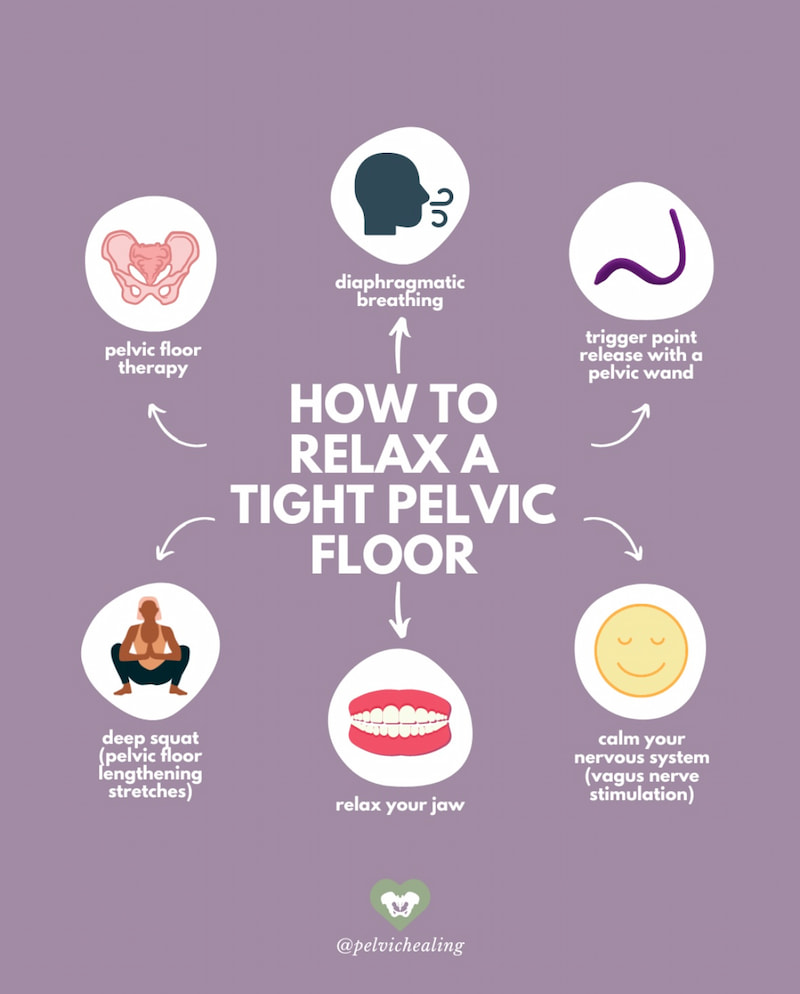
Our goal is not just short-term relief, but lasting improvement by helping you understand your body and regain confidence in daily life.
“Acute or chronic pelvic pain is often due to musculoskeletal disorders, which may go unrecognized during a traditional pelvic examination. Proper evaluation facilitates the diagnosis of spasm or trigger points, and physical therapy often achieves a major improvement in quality of life.”
“I have found my Physical Therapist who helps relieve my pain, my psychologist, my cheerleader, my educator, ears that listen, a shoulder to cry on, a friend and family.”
“It is healing from the core, the center of the body literally the inside to the out. Their training is rigorous and highly specialized – this is a calling of passion. Under Julie Sarton’s direction, the goal is permanent life changing healing from those in severe pain to those undergoing natural life cycles like pregnancy and childbirth.”
“Not only are they the absolute BEST in their field, but they never hesitate to help you heal in every and any possible way. Pelvic Pain is often very hard to address and talk about but the amazing therapists at Sarton PT make healing possible. I cannot recommend them highly enough. EXTRAORDINARY team where everyone REALLY cares.”
I had a great experience with Dr Christina Yu. I was referred to Sarton by my urogynecologist after removal of a bartholin cyst and gland. When I first started seeing her I was having intense pain. She treated me for vaginal, rectal and abdominal pain. She began every session by asking how I was feeling and where I was having pain. She used models to explain how she would treat me. At the end of each session she would demonstrate and correct exercises for me to do until I saw her again. After eight months of therapy I no longer had pain. Such a relief to be pain free. Thank you Christina, your treatment was life changing.
You deserve answers and relief from your pelvic pain. Our experienced team is here to guide you in reclaiming your confidence and quality of life.