
Pain with sex is common, but it is never normal.
Dyspareunia is the medical term for pain during or after sexual intercourse. It is more common than many realize—nearly 50% of women experience painful sex at some point in their lives. This pain can begin as early as the first sexual encounter, and it is not limited to menopause.
For some, the discomfort is fleeting. For others, it becomes a long-standing issue that deeply impacts intimacy, relationships, and overall quality of life.
Unfortunately, many women are told that pain with sex is “normal,” “all in their head,” or simply something they must accept with age. None of this is true. Painful intercourse almost always has a very real and treatable physical cause.
In younger women, pain may be linked to pelvic floor muscle tension or a painful first sexual experience that triggers a cycle of guarding. In women approaching or after menopause, hormonal changes can cause dryness and tissue sensitivity—but these changes are not inevitable barriers to intimacy.

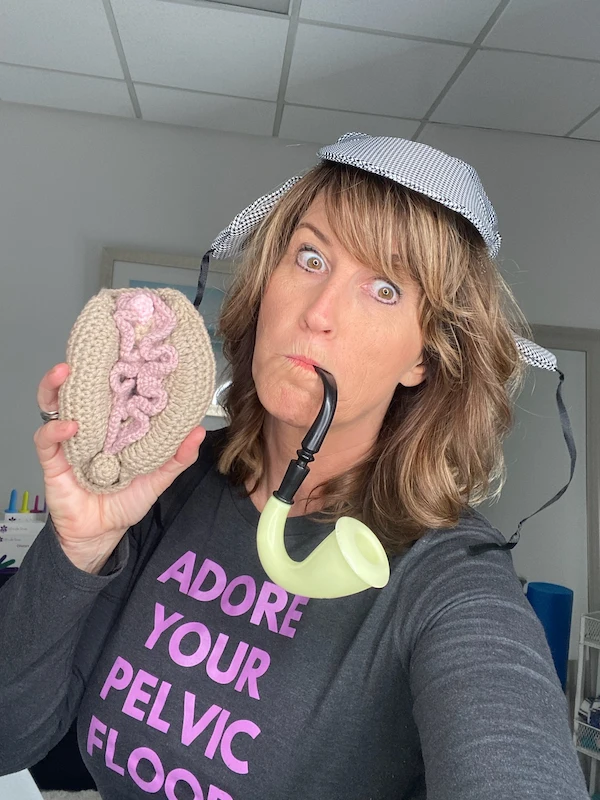
Dyspareunia may also overlap with other conditions such as vaginismus, vulvodynia, vestibulodynia, pudendal neuralgia, endometriosis, or pelvic floor dysfunction. This is why finding the true root cause is so critical. At Sarton Physical Therapy, we approach every case like detectives, looking beyond the surface symptoms to uncover the deeper musculoskeletal, hormonal, or scar-related drivers of pain.
The fact is, painful sex almost always has a physiological source. It may be due to pelvic floor muscle spasm or overactivity, vaginal dryness, scar tissue from childbirth, surgery, or episiotomy, endometriosis or adhesions, interstitial cystitis or bladder pain, or even trauma to the pelvis from a fall or injury. Once other medical conditions are ruled out, the musculoskeletal system must be addressed to achieve real healing.
When pelvic floor muscle spasm is involved (as it often is), the pain does not self-correct. Telling someone to “just relax” is not enough. These muscle dysfunctions require the skilled help of a pelvic floor physical therapist to release trigger points, elongate tight muscles, and restore healthy function.
At Sarton Physical Therapy, our goal is not just to relieve symptoms, but to create lasting change so patients can move beyond temporary fixes and reclaim intimacy without fear.
Dyspareunia can arise from many overlapping factors, including:
While many women are referred from doctor to doctor—gynecologist, urologist, pain specialist—without answers, the truth is that musculoskeletal dysfunction is often overlooked. Without treating the underlying pelvic floor muscles and tissues, pain persists despite other interventions.
At Sarton Physical Therapy, every evaluation is comprehensive. We dedicate a full hour to understand not just your symptoms, but how your entire body is functioning. Your assessment may include:
This detective-style approach allows us to uncover the true drivers of your pain—whether muscular, fascial, hormonal, or scar-related—and create a plan that addresses all contributing factors.
Your treatment is always personalized, one-on-one, and designed for lasting relief. We combine manual therapy with education and home strategies so you feel empowered in your healing. Approaches may include:
Our therapists are highly trained and board-certified in pelvic health. We spend the time needed to listen, evaluate, and treat—not just mask symptoms—so you can return to intimacy without pain and with confidence in your body again.

“First, you validated that there was something going on in the muscles and tissue that was causing sex to be painful–i.e. it was not “all in my head.” You gave me exercises and tools with which I could treat myself. You treated me manually and released so much of the tightness. You also confirmed what I had suggested to my doctor: that I had indeed experienced atrophy and you referred me to an expert to treat this. I can’t tell you enough how much your abundant dedication, kindness and skill have helped me. You knew what I needed and you made sure I got it.”
“Super helpful and comfortable experience! I found out exactly why I was experiencing some really uncomfortable pelvic floor symptoms, like needing to urinate frequently and pain/tightness during intimacy. I was given the tools, knowledge, and service to start my healing journey! So worth the out of pocket expense! & I can say now that I am fully rehabilitated. All thanks to this wonderful team!”
You deserve answers and relief from your pelvic pain. Our experienced team is here to guide you in reclaiming your confidence and quality of life.