
Relief is possible—you can regain comfort, control, and confidence in your body.
Pelvic Organ Prolapse (POP) occurs when one or more pelvic organs — such as the bladder, uterus, or rectum — drop from their normal position and press into or out of the vaginal canal. This happens when the muscles and connective tissues of the pelvic floor weaken or stretch, no longer providing the support the organs need. Prolapse is especially common after pregnancy and childbirth, but can also occur with surgery, chronic straining, or hormonal changes in perimenopause and beyond.
POP can cause sensations of heaviness, bulging, or discomfort, and may impact bladder, bowel, or sexual function. While it can feel unsettling, it is not a life sentence. Pelvic floor therapy focuses on reducing or eliminating symptoms, preventing progression, and restoring pelvic support. For some patients, therapy can also prepare the body before surgery or optimize recovery afterward. With the right care, many people regain function, comfort, and confidence in their daily lives, including those experiencing GSM menopause symptoms.
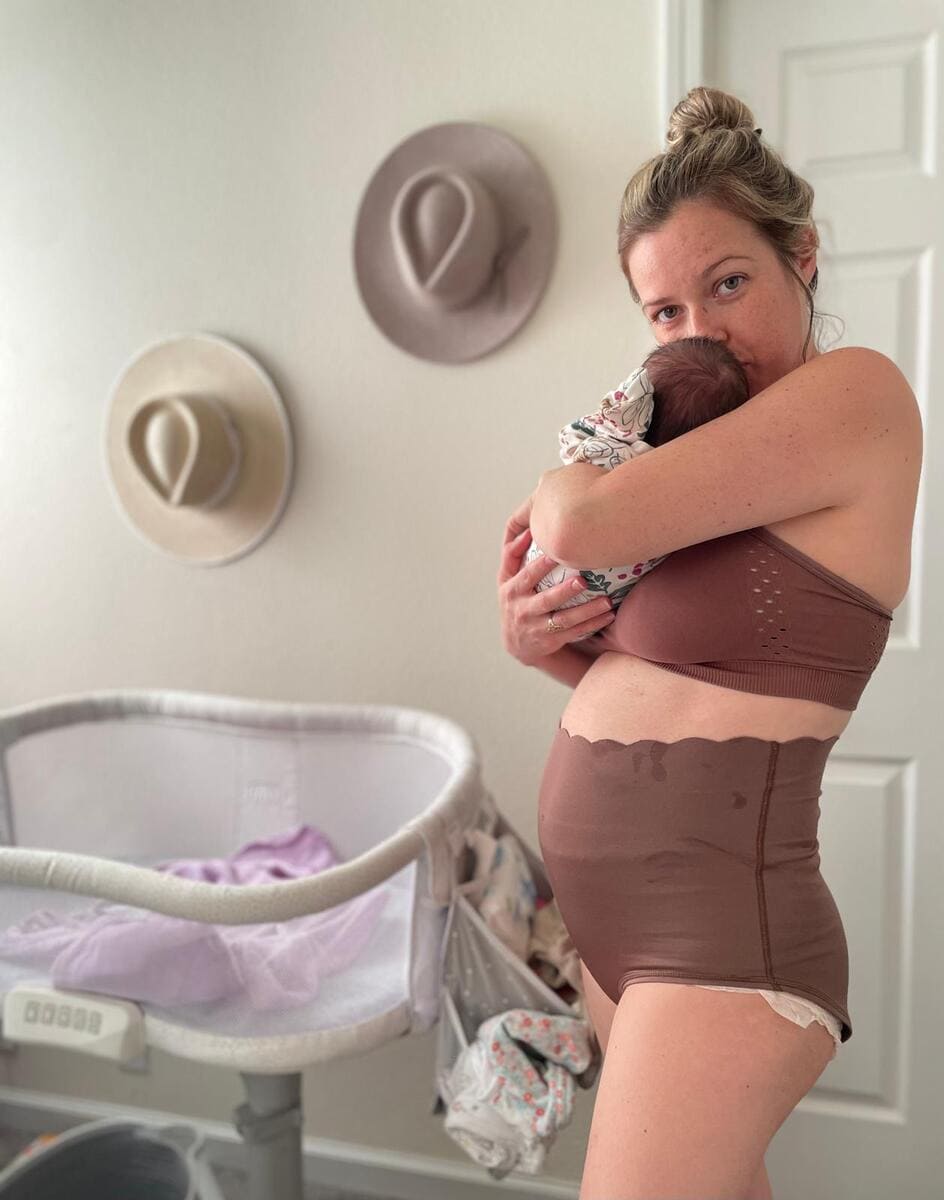
Pelvic organ prolapse develops when the pelvic floor muscles, ligaments, and connective tissues lose their strength and elasticity. This can result from vaginal childbirth—especially with prolonged labor, large babies, or forceps/vacuum deliveries—abdominal or pelvic surgery, menopause-related hormonal changes, improper core engagement (sending excessive downward pressure), or chronic straining from constipation or heavy lifting. Other factors like obesity, respiratory conditions that cause frequent coughing, and genetic differences in connective tissue can increase the risk.
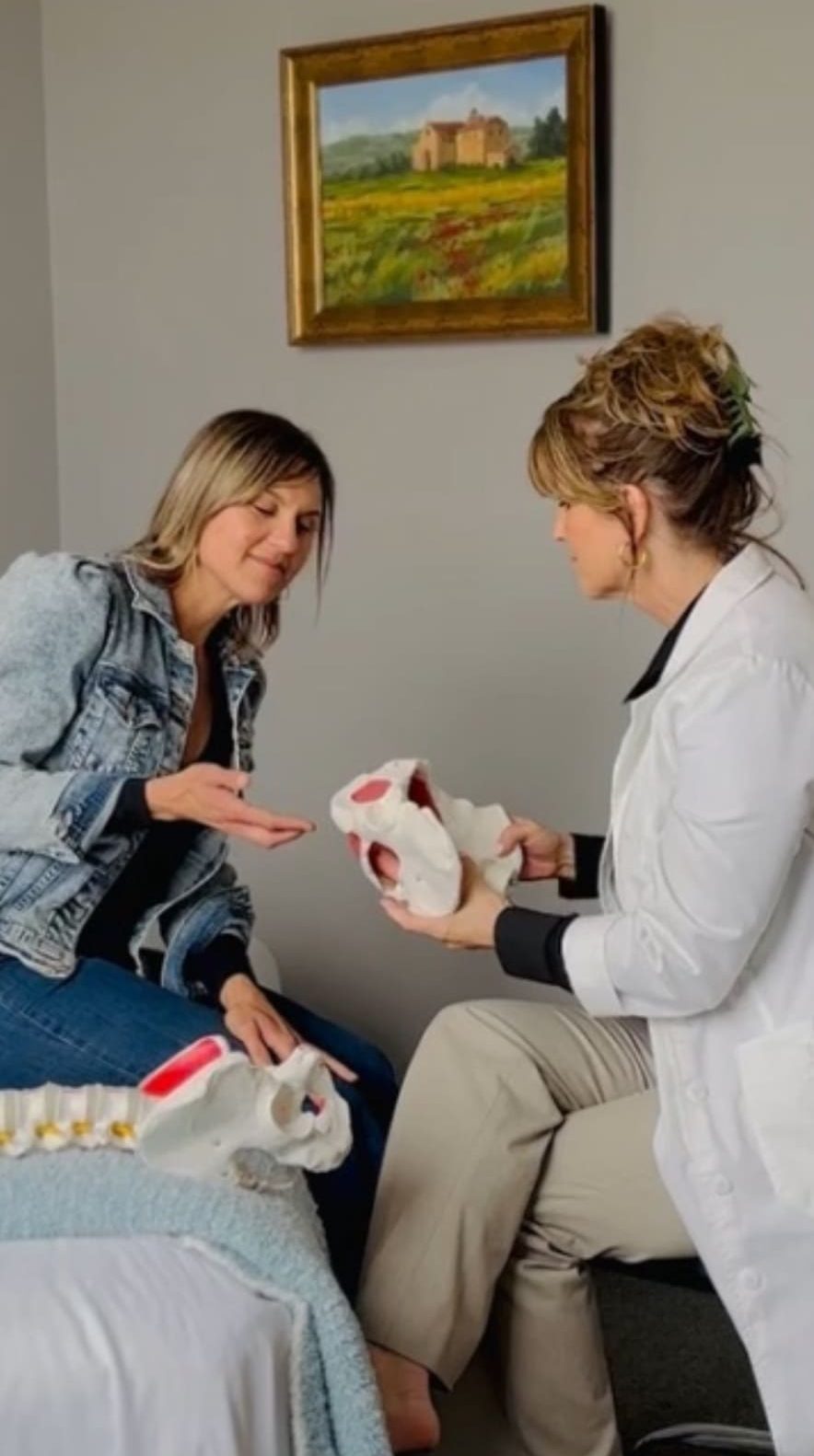
Our evaluation begins with a thorough discussion of your symptoms, medical history, and lifestyle factors. We perform a gentle pelvic floor assessment to evaluate muscle strength, coordination, and support, as well as a visual and manual check for the degree of prolapse.
We also assess breathing patterns, posture, hip and core strength, and scar tissue mobility—all of which can influence pelvic organ support.
If needed, we collaborate with your gynecologist, urogynecologist, or colorectal specialist to ensure you have a complete care plan. This approach helps us tailor treatment to your specific needs, whether your goal is to prevent progression, prepare for surgery, or recover afterward.
At Sarton Pelvic Healing, your evaluation goes beyond simply identifying the degree of prolapse. We look at the whole system—how your pelvic floor, core, posture, and daily habits interact. This includes a detailed review of your pregnancy, delivery, and postpartum healing, as well as an external and internal pelvic floor assessment to evaluate strength, coordination, and tissue integrity. We also screen for abdominal wall conditions such as diastasis recti that may contribute to downward pressure, and analyze posture and movement patterns to understand how daily activities affect your symptoms. When appropriate, we collaborate with your OB-GYN or urogynecologist to ensure comprehensive care. By uncovering the underlying factors—not just the visible prolapse—we create a personalized rehabilitation plan that restores support, confidence, and quality of life.
“SARTON PHYSICAL THERAPY HAS BEEN THE BEST EXPERIENCE I COULD HAVE EVER ASKED FOR POSTPARTUM.
With 3rd degree tearing, scar tissue, pelvic pain and some prolapse after baby, Sarton brought me back to life. I have been going here for 6 months seeing Becky Paulson and Julie Sarton. Their passion and knowledge of the pelvic floor is unmatched in a boutique spa like experience. During the hour long sessions they provided me with relief, healing, hope and encouragement. They will even work with your OB to make sure you are receiving the best treatment possible to reach your physical/emotional goals during recovery. I am forever grateful to Sarton and would highly recommend coming to them either postpartum or during pregnancy.”
“I started a course of 10 treatments with Sarton due to a rectocele and cystocele prolapse. When I started, I was suffering with loss of sensation, lack of bladder control, and other pelvic issues. By my 8th session I was at full strength and had recovered most of my function. They gave me plenty of exercises to continue my therapy at home, which was very helpful.
If you are suffering with pelvic issues, (google pelvic organ prolapse to see if you show any symptoms) I recommend you to book an appointment with the lovely therapists here.
The clinic is clean, welcoming and very relaxing! It was a real treat to go for treatment each week.”
You deserve answers and relief from your pelvic pain. Our experienced team is here to guide you in reclaiming your confidence and quality of life.