
Healing after birth is not a luxury – it’s essential care. You deserve guidance, strength, and support as you step into motherhood.
Physical therapy after childbirth is one of the most powerful tools you can give yourself for recovery. Pregnancy and delivery—whether vaginal or cesarean—place incredible demands on the body, often leaving lasting changes in the pelvic floor, core, and posture. Postpartum physical therapy focuses on restoring strength, stability, and confidence so you can return to the activities and life you love without pain or dysfunction.
While physical therapy is standard care for new mothers in many parts of the world, in the United States it is often overlooked. At our clinic, we believe every person deserves postpartum care. Whether you are planning for another pregnancy or are done growing your family, our expert team can guide your recovery. You don’t have to wait until something is wrong—postpartum PT can begin as early as six weeks after delivery, and if you’ve been working with us during pregnancy, you’ll already have a personalized plan in place for the transition into recovery.
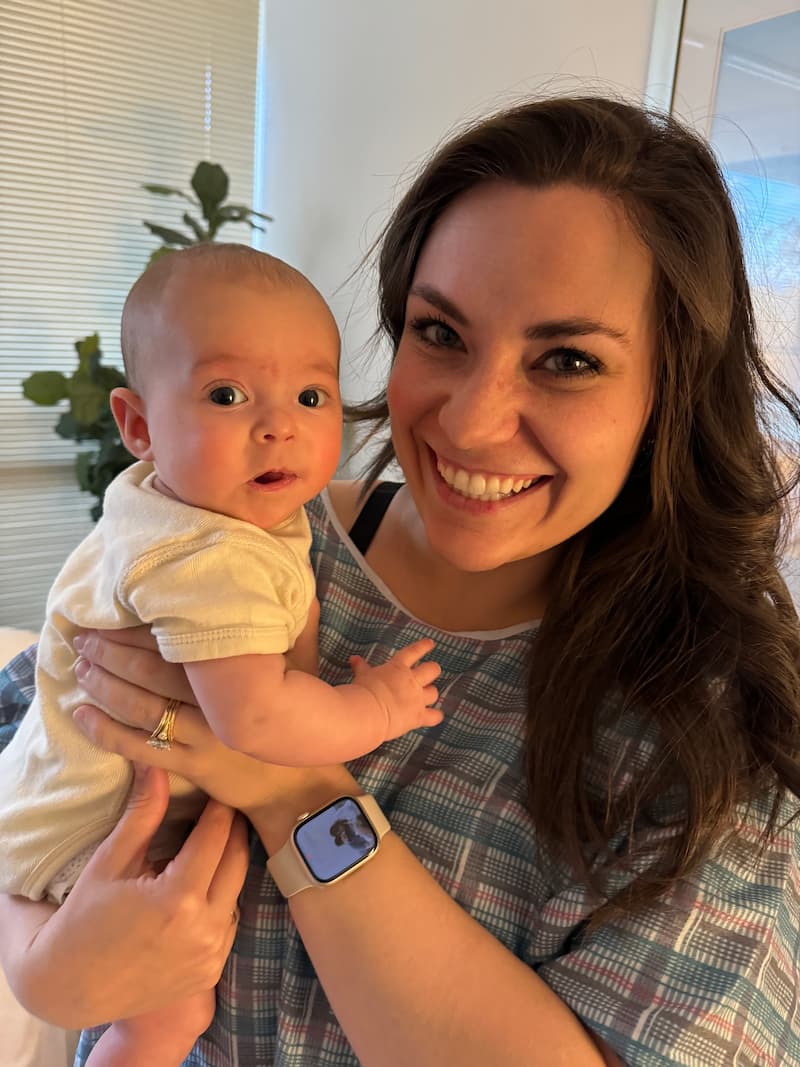
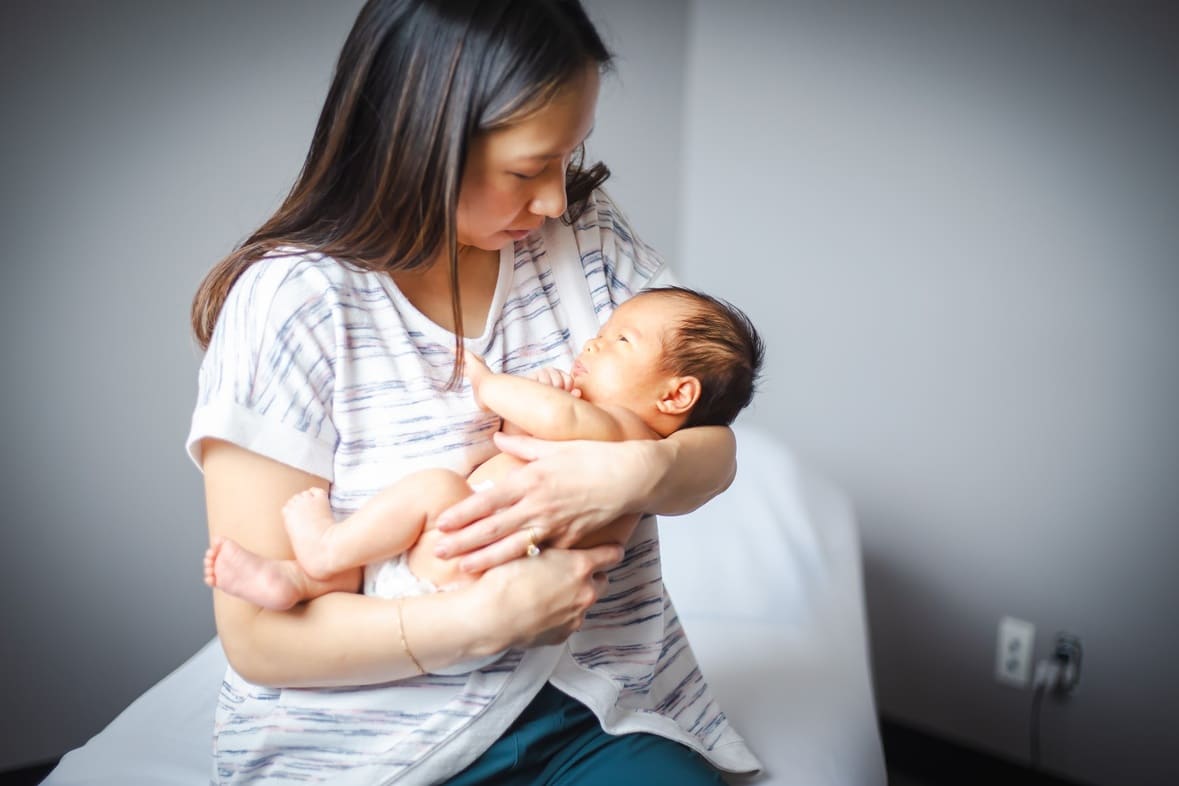
Every postpartum journey is different. Some people feel strong and ready to return to daily life quickly, while others experience symptoms that can last weeks, months, or even years without the right support. Our physical therapists specialize in treating a wide range of postpartum concerns, including:
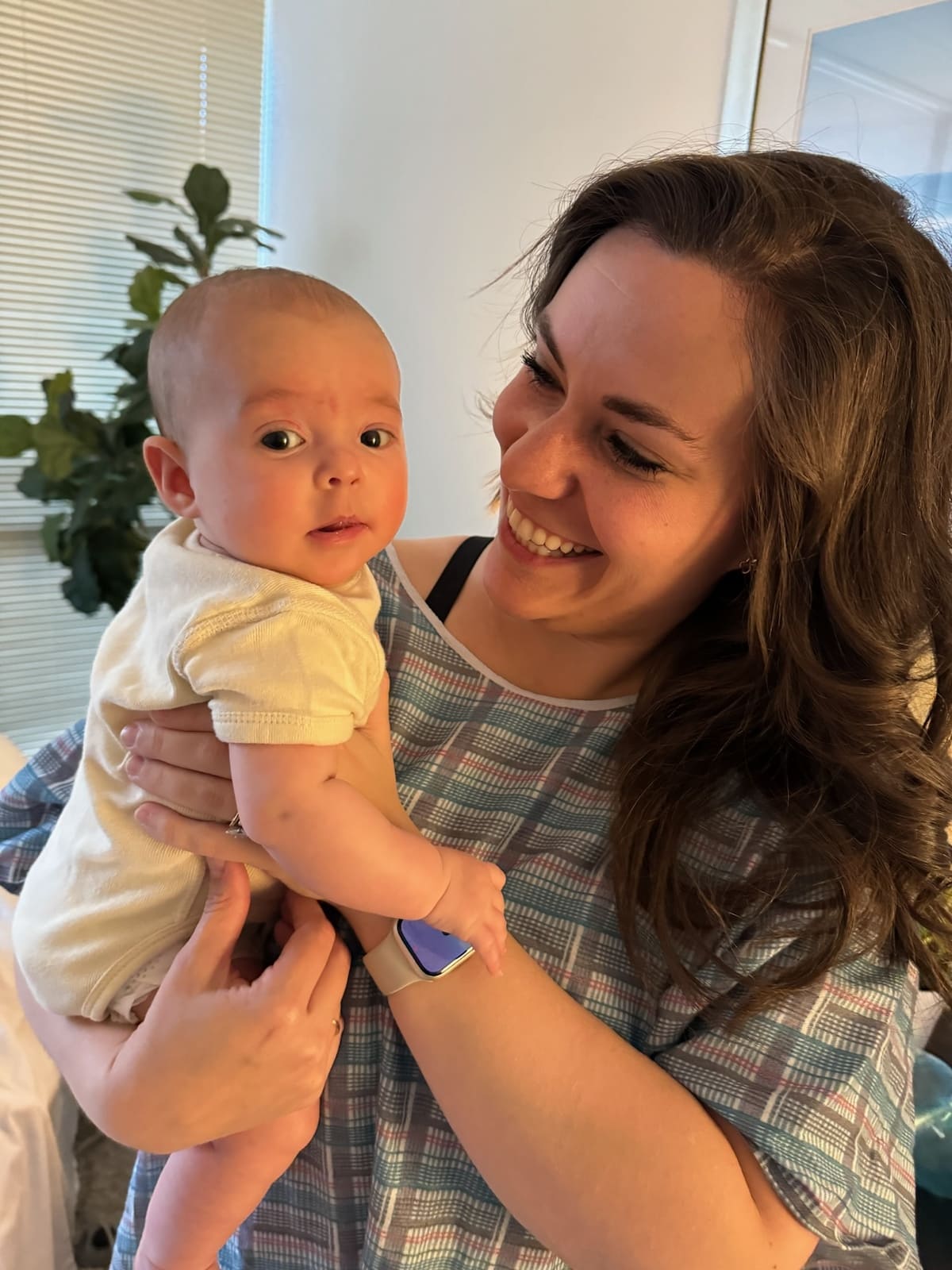
Core and Pelvic Floor Disruption; Postural and Musculoskeletal Imbalances; Joint and Ligament Changes; Myofascial and Soft Tissue Strain; Breathing, Pressure, and Functional Shifts; Scar Tissue Adhesions (C-section)
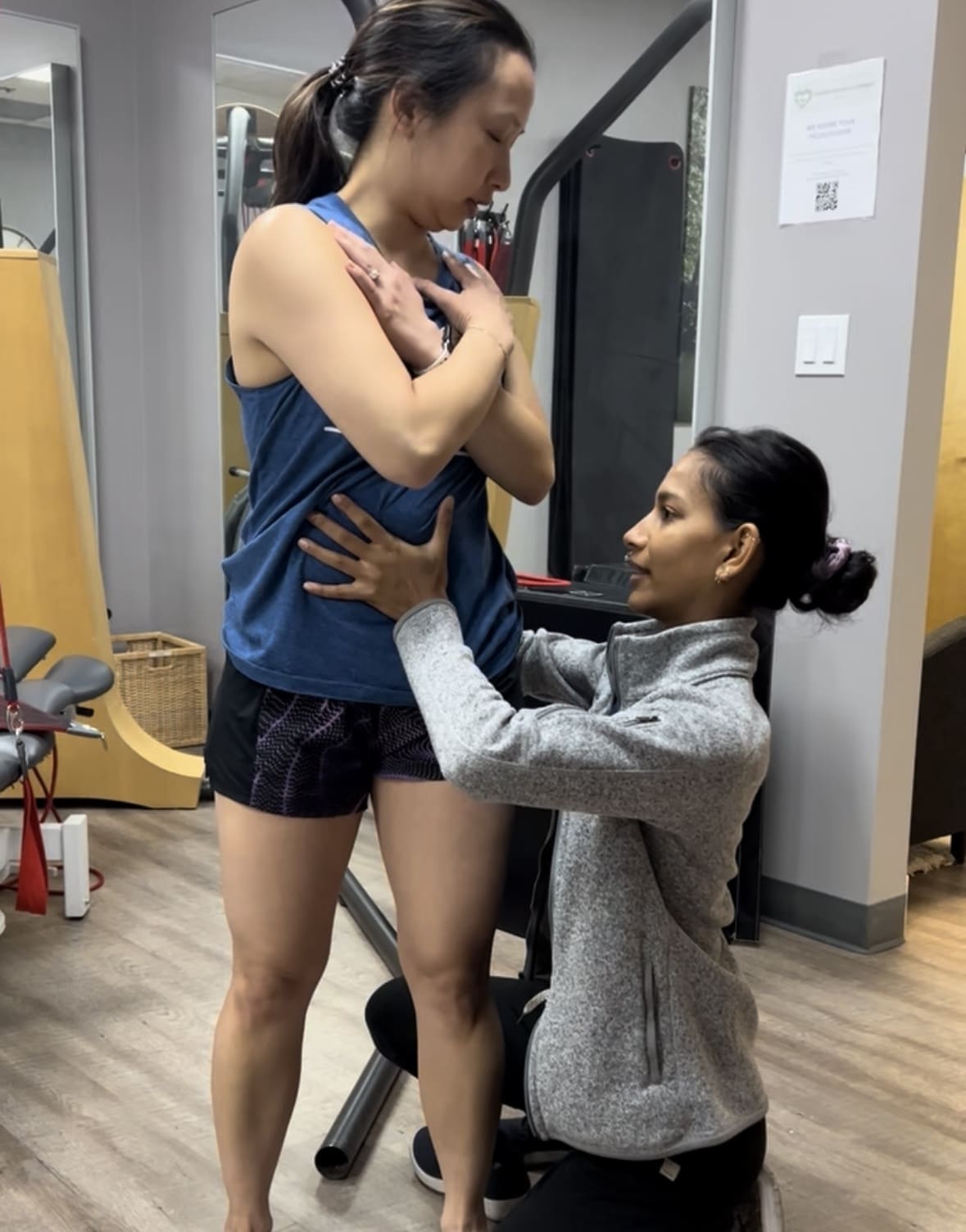
Let us help you recover with pelvic floor physical therapy.
At your evaluation, we take a comprehensive look at your body’s recovery—not just your symptoms. This may include:
Our goal is to uncover the root cause of your challenges and create a plan that restores confidence in your body—whether that means easing pain, building strength, or preventing future complications.
At Sarton Physical Therapy, our focus is both preventive and restorative. We believe postpartum care should be the standard—not something you only seek when problems appear. Our physical therapists are uniquely trained to meet the special musculoskeletal and obstetric needs of postpartum women, following the American College of Obstetrics and Gynecology guidelines for safe and effective exercise during and after pregnancy.
Your postpartum program begins with a thorough musculoskeletal evaluation, including assessment of the external and internal pelvic floor (when appropriate). We look at:
From there, we design a personalized treatment plan that goes far beyond a one-size-fits-all exercise sheet. This includes:
Pregnancy, vaginal deliveries, and C-sections are profound physical events. While they are natural, they can leave behind changes in the body that—if untreated—may lead to chronic dysfunction. Too often, women are told that their pain or symptoms are “normal because you just had a baby.” We believe that you deserve better. With the right therapy, most postpartum symptoms can be resolved, restoring confidence and allowing you to move forward without limitation.
Core Treatments:
“Sarton Physical Therapy has been the best experience I could have ever asked for postpartum. With 3rd degree tearing, scar tissue, pelvic pain and some prolapse after baby, Sarton brought me back to life… During the hour-long sessions they provided me with relief, healing, hope and encouragement. They will even work with your OB to make sure you are receiving the best treatment possible to reach your physical/emotional goals during recovery. I am forever grateful to Sarton and would highly recommend coming to them either postpartum or during pregnancy.”
“They are miracle workers!! I could not bear weight on my leg without having shooting/stabbing pain in my pelvis after a lengthy labor and delivery. As a runner, I was worried I might have permanently altered my gait. I began seeing Dr. Nikita at 2 weeks postpartum, and by my 5th session with her, I was able to go on my first postpartum run absolutely pain-free!! My only regret is that I did not see them after my first pregnancy; I am now a firm believer that everyone should see a pelvic PT during postpartum and I could not recommend Sarton PT enough.”
“Going to Sarton physical therapy has been the best decision I have made postpartum! When I developed a prolapse I had instantly panicked and didn’t think I would get back to working out or running. Alexa and the team at Sarton have been so supportive and have helped me get back to working out just like I did before I had a baby! Their office and team is very welcoming. I cannot say enough good things about them. If you are on the fence about pelvic floor physical therapy, I highly recommend it!”
“This place is awesome! All women who are pregnant or postpartum should see them! They can help with almost any issue and get you feeling like yourself again!”
You deserve answers and relief from your pelvic pain. Our experienced team is here to guide you in reclaiming your confidence and quality of life.