
Expert care for the musculoskeletal system during pregnancy isn’t optional, it’s the foundation for a healthy delivery and recovery.
Prepartum physical therapy is specialized care designed to support the body during pregnancy, not only when symptoms arise. As your body adapts rapidly to accommodate a growing baby, your posture, balance, core strength, and pelvic floor undergo significant change. These shifts can create discomforts such as pubic symphysis pain, low back pain, urinary leakage, or difficulty walking.
Our physical therapists are experts in movement science and the musculoskeletal system. Prepartum physical therapy uses evidence-based strategies to help you stay active and comfortable during pregnancy, while also preparing your body for postpartum recovery. Whether you are in your first pregnancy or your fourth, our goal is to provide safe, individualized care that adapts with you at every stage.
In many countries, pelvic floor physical therapy is considered a standard part of prenatal care. At our clinic, we believe you deserve the same level of proactive support.
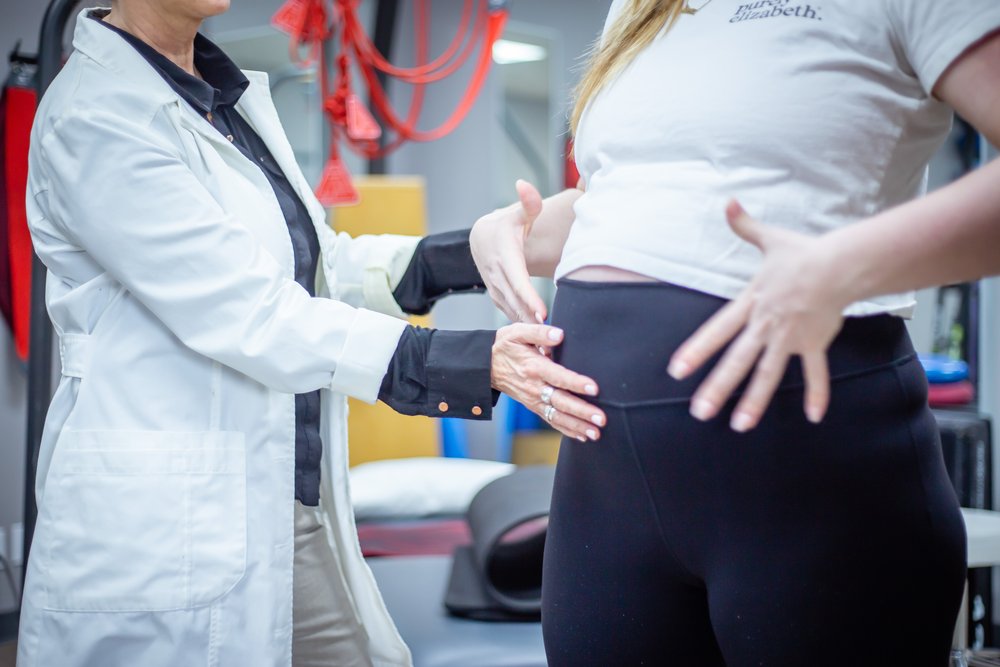
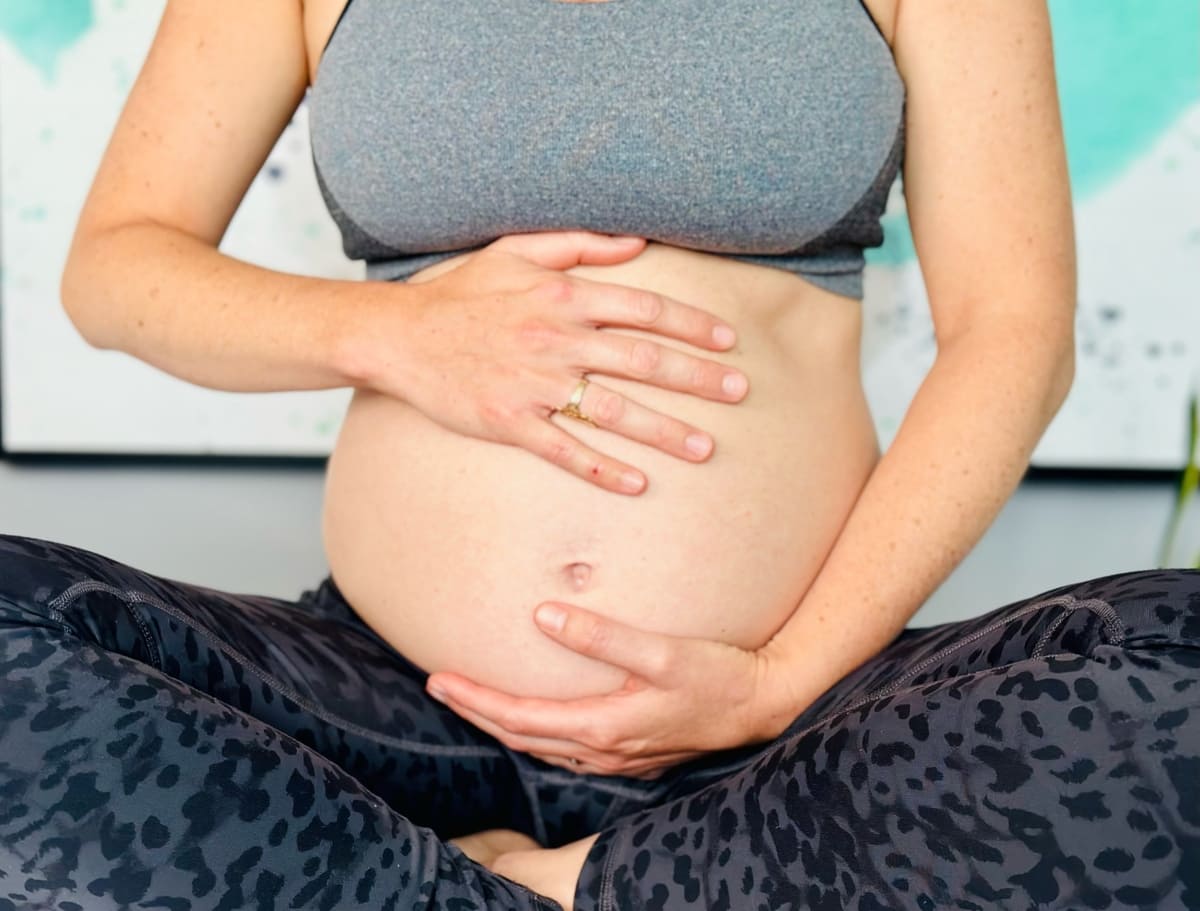
While every pregnancy is unique, some of the most common conditions we help address during pregnancy include:
These symptoms are common during pregnancy, but they are not “normal” or something you simply have to live with. Prepartum physical therapy can help ease discomfort, improve strength, and give you strategies to stay supported as your pregnancy progresses.
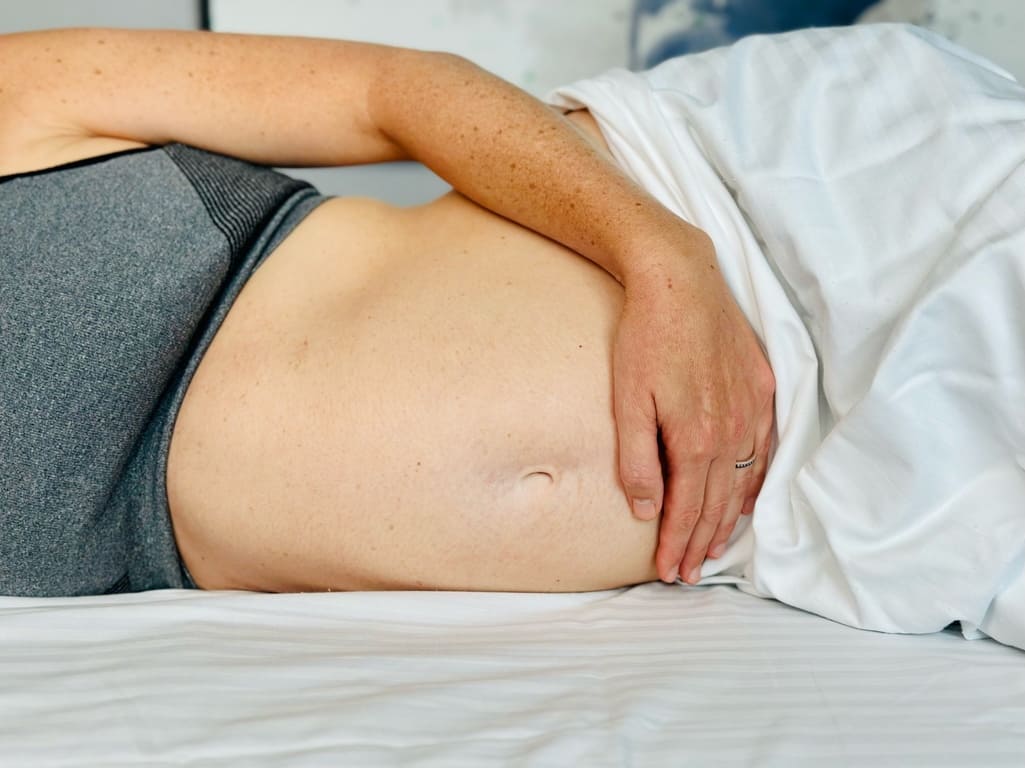
Pregnancy places unique demands on the body. Common contributing factors include:
When these factors are left unaddressed, they can contribute not only to pregnancy discomfort but also to postpartum complications such as diastasis recti, persistent pelvic floor weakness, and chronic back pain.
At Sarton Pelvic Healing, we take a whole-body approach to evaluating your needs during pregnancy. Our physical therapists are specifically trained to address the unique musculoskeletal demands of pregnancy, following the American College of Obstetrics and Gynecology (ACOG) guidelines for safe and effective exercise during and after pregnancy.
Your initial evaluation is comprehensive and may include:
Our practice focuses on both preventive care – helping your body adapt to the rapid changes of pregnancy – and rehabilitation if symptoms arise. Whether you are seeking support for discomfort, preparing for delivery, or managing an existing condition, our team designs a personalized care plan to optimize your health and recovery.
At PelvicHealing, we work closely with patients and their providers to ensure pregnancy is as healthy, active, and comfortable as possible. Our prepartum services focus on maximizing pelvic floor and musculoskeletal function to support delivery and reduce the risk of postpartum dysfunction.
Research has shown that perineal massage, when performed regularly before delivery, can significantly reduce tearing and the need for episiotomy. Our therapists provide instruction in perineal massage and partner-assisted techniques as part of comprehensive preparation for birth.
We also emphasize individualized prenatal exercise, designed to improve body awareness, flexibility, endurance, and core stability. Because the pelvic floor and deep core muscles play a critical role in childbirth, our physical therapists assess each muscle group (internally and externally, when appropriate) and address impairments through manual therapy and corrective exercise. This ensures these muscles are lengthened, strengthened, and free of myofascial restrictions—creating the best possible foundation for labor, delivery, and recovery.
Every appointment at Sarton PT is a dedicated one-on-one hour, giving our therapists the time needed to evaluate thoroughly, treat effectively, and guide you with a personalized plan.
With this approach, patients can increase their potential for a successful vaginal delivery with fewer complications such as perineal tearing, levator ani injury, or postpartum pelvic dysfunction.
Our prepartum program is proactive, individualized, and rooted in evidence-based practice.
Treatment may include:
By addressing your body’s unique needs during pregnancy, we help reduce discomfort, improve function, and set the foundation for long-term pelvic health.
“All women who are pregnant or postpartum should see them! They can help with almost any issue and get you feeling like yourself again!”
“They taught me to believe that healing is possible and to embrace my body no matter what because it will pay me back. Today, three months after returning back home from the States, I realized they were right. Although I’m still not completely pain free, I’m really close to achieving that goal and the most important thing—I have my life back again. I can sit, sleep, drive my car and enjoy the role of a mom, wife, daughter, granddaughter, niece, cousin, aunt, godmother, maid of honour and a friend. I’ve remembered how it feels to laugh again and I’ve learnt that health shouldn’t be taken for granted because when it comes to that, you are and should be the most important to yourself—and everything is about you. If you’ll ever have pelvic floor or similar issues, you need to know that you’re not alone and that help exists—it’s called Sarton and it’s always here for you.”
“I finally feel like there is some hope for my core strength (or lack thereof after having my babies Jan ’14 & Sept ’15). She’s super knowledgeable and really understands all the changes that take place during and after pregnancy and labor. I only wish I had found her sooner to start the rehab process of my super stretched abdominal muscles, and that I had known to see her during pregnancy to strengthen but also learn to relax my pelvic floor during labor. Anything that could have helped me have an easier shorter less traumatic labor would have been worth its weight in gold. I recommend any mamas to be or recovering mamas to see her right away, I’m sure there’s some aspect she can help every woman with. Looking forward to regaining some strength and to my next appointment.”
You deserve answers and relief from your pelvic pain. Our experienced team is here to guide you in reclaiming your confidence and quality of life.