
Pelvic Floor & Whole-Body Support for Menopause, GSM, and Bone Health
Menopause is a natural stage of life, yet too often it’s accompanied by symptoms that are dismissed, misunderstood, or undertreated. While hot flashes and mood changes are widely recognized, fewer women are told how profoundly menopause can impact the pelvic floor, bladder, sexual function, and bone health.
At Sarton Pelvic Healing in Orange County, our specialized Menopause Program combines advanced pelvic floor physical therapy, bone health training, and whole-body care to help women move through menopause with confidence, strength, and comfort.
Take our quick quiz. If you answer “yes” to any of the following, you may benefit from our Menopause Program:
If you answered yes to even one, you are not alone—and there is help.
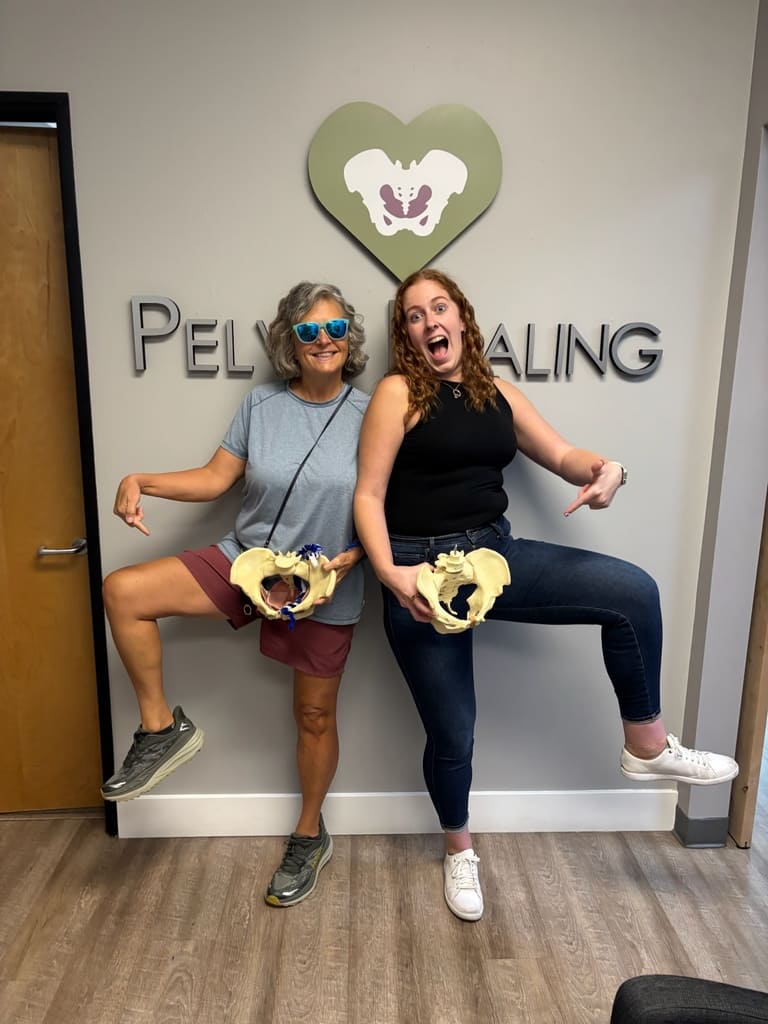
During perimenopause and menopause, hormonal shifts lead to tissue thinning, pH changes, and loss of elasticity. These changes—known as Genitourinary Syndrome of Menopause (GSM)—often overlap with pelvic floor dysfunction.
Our menopause physical therapy program helps women by:
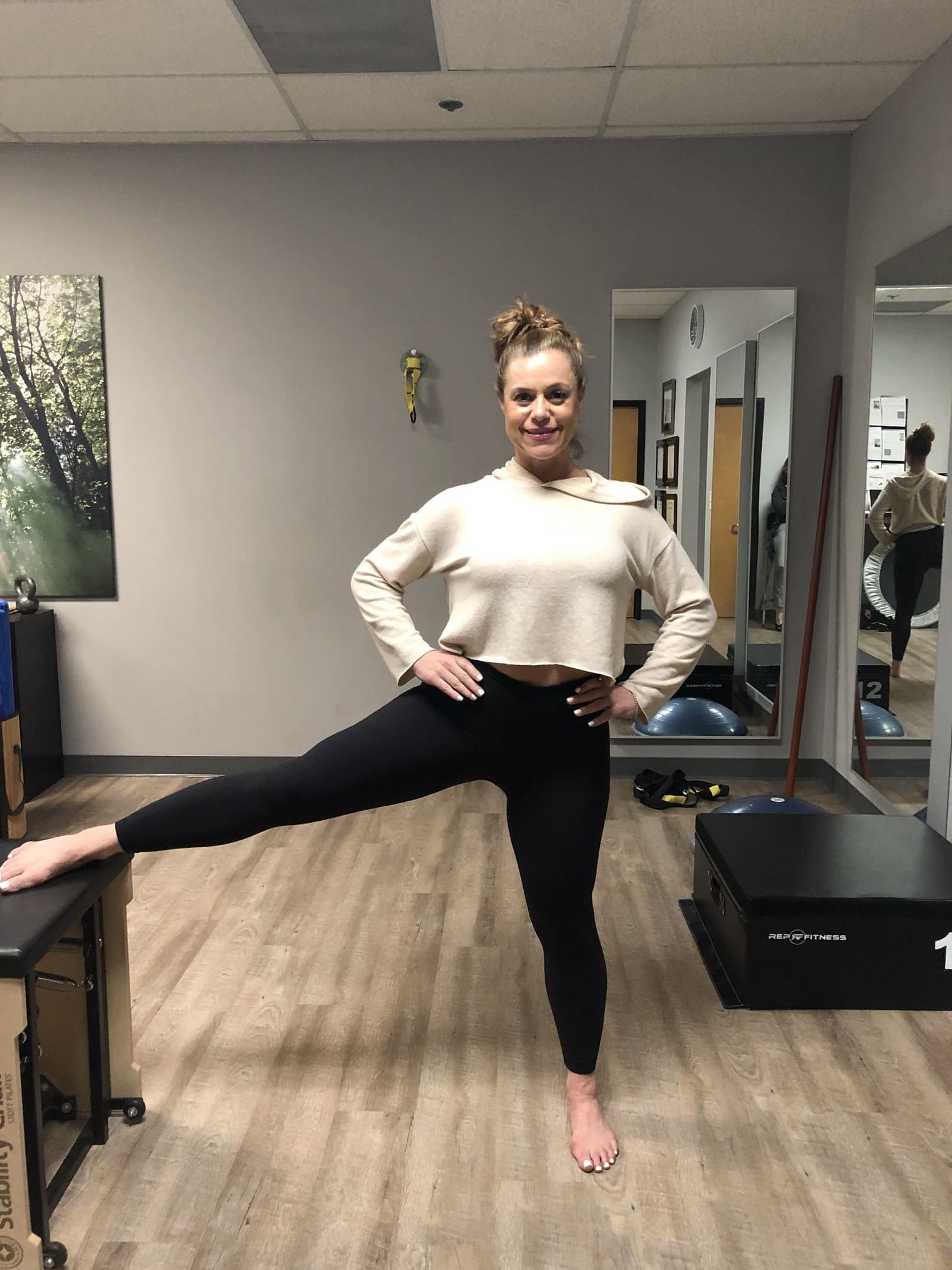
Bone loss accelerates in the first 5–7 years after menopause, often leading to osteopenia and osteoporosis. Many women are never told that not all exercise protects bone health.
At Sarton Pelvic Healing, we provide a research-based bone-loading exercise program designed for menopausal women. Using targeted resistance, Redcord suspension training, and safe impact strategies, our program helps:
Your comprehensive menopause evaluation includes:
Your customized menopause treatment plan may include:
As both a clinician and a patient, I understand these struggles deeply. Entering menopause as a breast cancer survivor, I faced bilateral frozen shoulders, painful sex, and urinary urgency. These challenges became my greatest teachers.
It is one thing to study these conditions in textbooks, but another to experience them in your own body. Over the last decade, these personal challenges have expanded my treatment philosophy and fueled my mission to help women reclaim their lives through the Sarton Systems Methodology™—a whole-body, integrative approach to pelvic health.
Yes. Topical vaginal estrogen is considered safe for most women, even long-term—and even for many breast cancer survivors. Unlike systemic hormone therapy, it delivers a very low, localized dose directly to the vaginal and vulvar tissues. This helps restore tissue health, improve lubrication, reduce urinary urgency, prevent urinary tract infections, and relieve painful sex.
Research has consistently shown that vaginal estrogen does not carry the same risks highlighted in the Women’s Health Initiative (WHI) study on systemic hormones over 20 years ago—a study now being debunked by leading menopause physicians such as Dr. Mary Claire Haver, Dr. Kelly Casperson, and Dr. Rachel Rubin.
At Sarton Pelvic Healing, we educate you on hormone basics and the proper way to apply estrogen cream so it actually reaches the tissues that matter most.
In California, you can see a pelvic floor physical therapist directly without a physician referral. However, we often collaborate closely with your OB-GYN, menopause specialist, or oncologist to ensure your care is seamless and comprehensive.
Symptoms often overlap. For example, urinary urgency, vaginal dryness, painful sex, and recurrent UTIs may be caused by both Genitourinary Syndrome of Menopause (GSM) and pelvic floor dysfunction. That’s why our evaluation includes a vulvovaginal exam, pelvic floor assessment, and musculoskeletal screening to identify all contributing factors.
Yes—but not all exercise is created equal. Walking and yoga support general health but don’t load the skeleton enough to slow bone loss. At Sarton Pelvic Healing, we design a prescriptive bone-loading exercise program based on the latest research. These targeted exercises help build bone density, improve balance, and reduce fracture risk.
Most menopause care focuses only on hormones—or only on the pelvic floor. At Sarton Pelvic Healing, we combine both. Our Sarton Systems Methodology™ looks at the hormonal, musculoskeletal, nervous, vascular, and visceral systems together. This whole-body approach uncovers root causes and creates a personalized plan that truly restores comfort, strength, and confidence.
Absolutely. These are some of the most common, yet most under-discussed symptoms of menopause. At Sarton Pelvic Healing, we create a safe, compassionate environment where nothing is taboo. We believe knowledge is power—and with the right treatment, you don’t just have to “live with it.”
Went to Sarton Physical therapy after 5 years of pelvic and back pain following my hysterectomy. After only a few weeks my pain has improved immensely. They have taught me several things I can do at home to help maintain the improvements they have made. I have seen different therapist there and all of them have been top notch. They all truly care about your healing and teaching you things you can do in your everyday life that really make a difference in how you feel each day. I can’t believe that I spent 5 years in pain, went to many doctors and spent who knows how much money trying to get relief and in a short period of time Sarton has diagnosed and treated my body so that I now have hope to live a happier, pain free life again. What are you waiting for?? Hope and help is right here! Thanks to the Village of Healers at Sarton!!
“I have (been) dealing with pelvic pain/issues after a hysterectomy 10 years ago. I regret that I did not set up appointments sooner…”
“Two and a half years ago I was diagnosed with Stage 3 Pelvic Floor Disorder (PFD) after a hysterectomy. I opted for the Trans Vaginal Mesh surgery with the understanding that I would be “fixed”. I was “fixed” for about three months and then my pelvic floor started to fall again. PFD doesn’t just impact ones ability to urinate, defecate, and have intercourse, but it’s extremely uncomfortable, and exhausting to have your organs laying on top of each other.
I found a new Urogynocologist thinking that I would just get another surgery and get “fixed” again. Most of my PFD symptoms had returned and I was in constant pain and discomfort, I had chronic UTI’s which caused me to start to become resistant to antibiotics. My new doctor said my repair was fine and I did not require another surgery, but I had a chronic condition I needed to learn to live with. I still had a weak pelvic floor and the surgery helped in that the organs were back inside my body, but my muscles were not strong enough to keep them in place throughout the day. She told me my pain was not from the mesh, but from muscle spasms as my pelvic floor struggled to support the mesh which was supporting my organs and I needed physical therapy for my pelvic floor. I had no idea what that entailed, to say I was skeptical is an understatement. However, at this point I had nothing too lose and figured I’d go one time, think it was a waste of time and quit, but at least I could report back to my doctor I tried it. I was desperate to find a solution to my pain and discomfort.
The staff at Sarton is stellar and they take great pride in what they do, but more importantly they believe in what they do. I was expecting the facility to be cold, uninviting and clinical like the many doctor offices I had been in over the last two years, but it was welcoming, comfortable and I kid you not, spa like. At Sarton they understand that by the time a patient sees them they have been to numerous doctors, feel hopeless and are desperate for help. Sarton understands the emotional toll pelvic pain has on their patients and family members. Not only are they extremely respectful due to the nature of the subject matter but they provide emotional support and more importantly they provide hope.
I have been going to a Sarton for over 6 months and I am now a believer. I have learned exercises to strengthen my pelvic floor and increase my endurance. I do my exercises every night as if practicing a religion. I physically feel better now than I have in the last two years. Am I “fixed”? No, I will never be fixed, but my quality of life is back, and I have no pain or muscle spasms. It’s been a long journey and I will have to do my pelvic floor exercises the rest of my life if I want to continue to have normal bladder, bowel and sexual function. I’m extremely grateful to everyone at Sarton for their support. Sarton doesn’t just treat the disorder, they treat the whole person.”
Menopause does not have to mean discomfort, bone loss, or loss of intimacy. With the right support, this stage of life can be full of strength, vitality, and joy. Schedule your Menopause Program consultation today—in person or virtually—and take the first step toward whole-body healing.