
Your pelvis is the foundation of movement — we help restore balance, strength, and comfort so you can get your life back.
The sacroiliac joints connect your spine to your pelvis, acting as shock absorbers during everyday activities like walking, bending, lifting, and even breathing. When these joints become irritated, unstable, or restricted, the result is SI joint dysfunction—a common but often overlooked source of low back and pelvic pain.
Because the SI joints sit at the very foundation of your spine, dysfunction here can affect your entire posture and movement system. Patients often feel confused or frustrated when their pain is mistaken for sciatica or a lumbar disc issue. At Sarton Physical Therapy, we specialize in pelvic health, which means we understand the complex relationship between the SI joint, pelvic floor, and surrounding muscles better than most.

SI joint dysfunction can develop from many different factors — some temporary, some structural, and some genetic. Common causes and contributing factors include:
Pregnancy
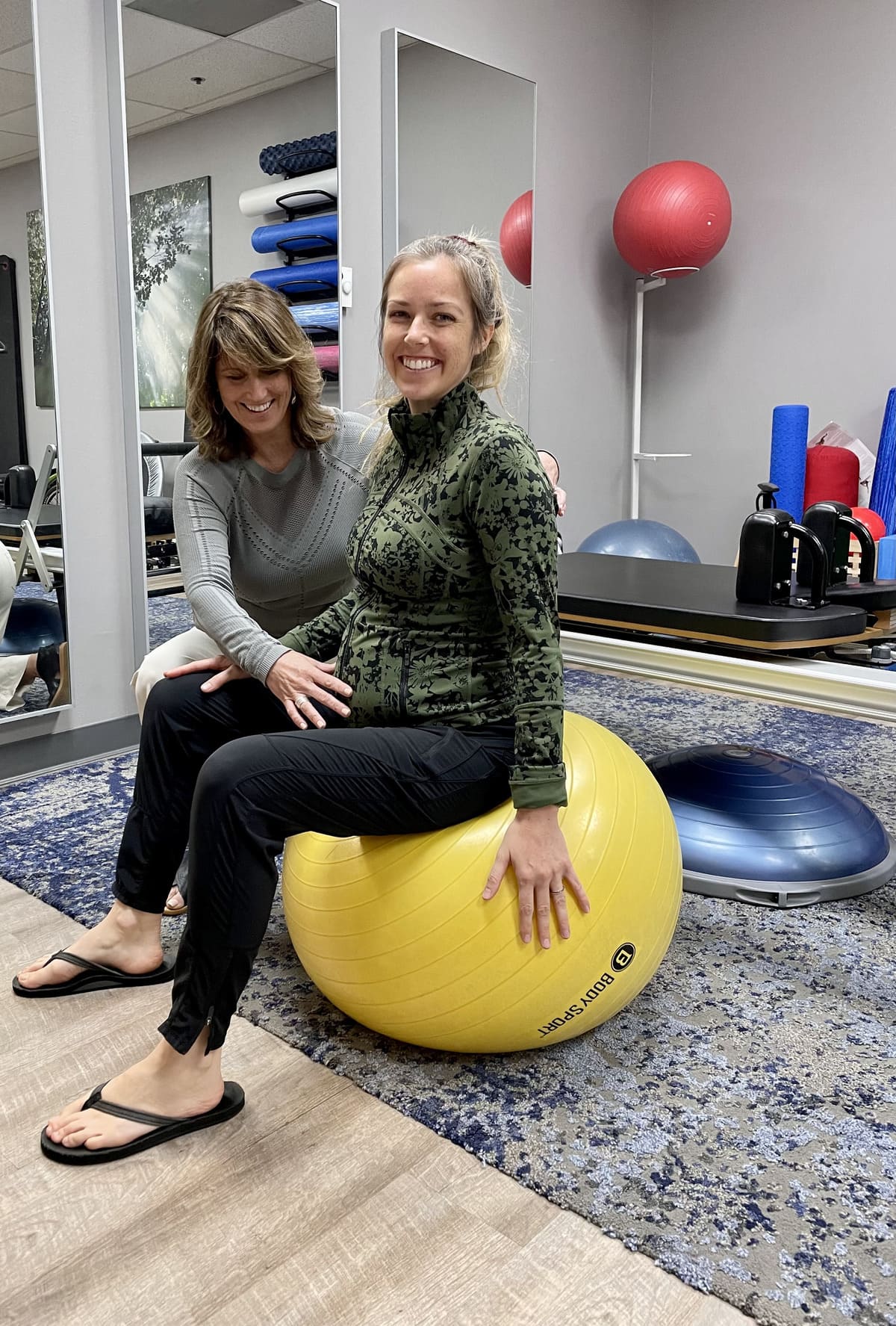
During the second and third trimester, the body produces relaxin, a hormone that loosens ligaments in preparation for birth. While essential for delivery, this increased mobility can make the SI joints unstable and painful — a condition we routinely and successfully treat at Sarton PT.
High Velocity Sports
Athletes in sports like gymnastics, cheerleading, volleyball, and dance place repeated stress on the pelvis. Ballet dancers, in particular, are at risk due to extreme hip and spinal positions that can stretch ligaments over time, leading to instability and pain.
Genetic Hypermobility & Ehlers-Danlos Syndrome (EDS)
Some people are naturally more flexible because of loose connective tissue. This hypermobility allows joints — including the SI joint — to move beyond their normal range, leading to pain, dislocations, and protective muscle spasms.
Trauma
Falls, car accidents, or direct injuries to the pelvis, as well as surgeries on the back or hips, can disrupt the stability of the SI joint.
Biomechanical Dysfunction
Conditions like scoliosis, leg length differences, or foot pronation (flattening of the arch) can create uneven forces through the body. Over time, these imbalances travel up the kinetic chain and place stress on the SI joints.
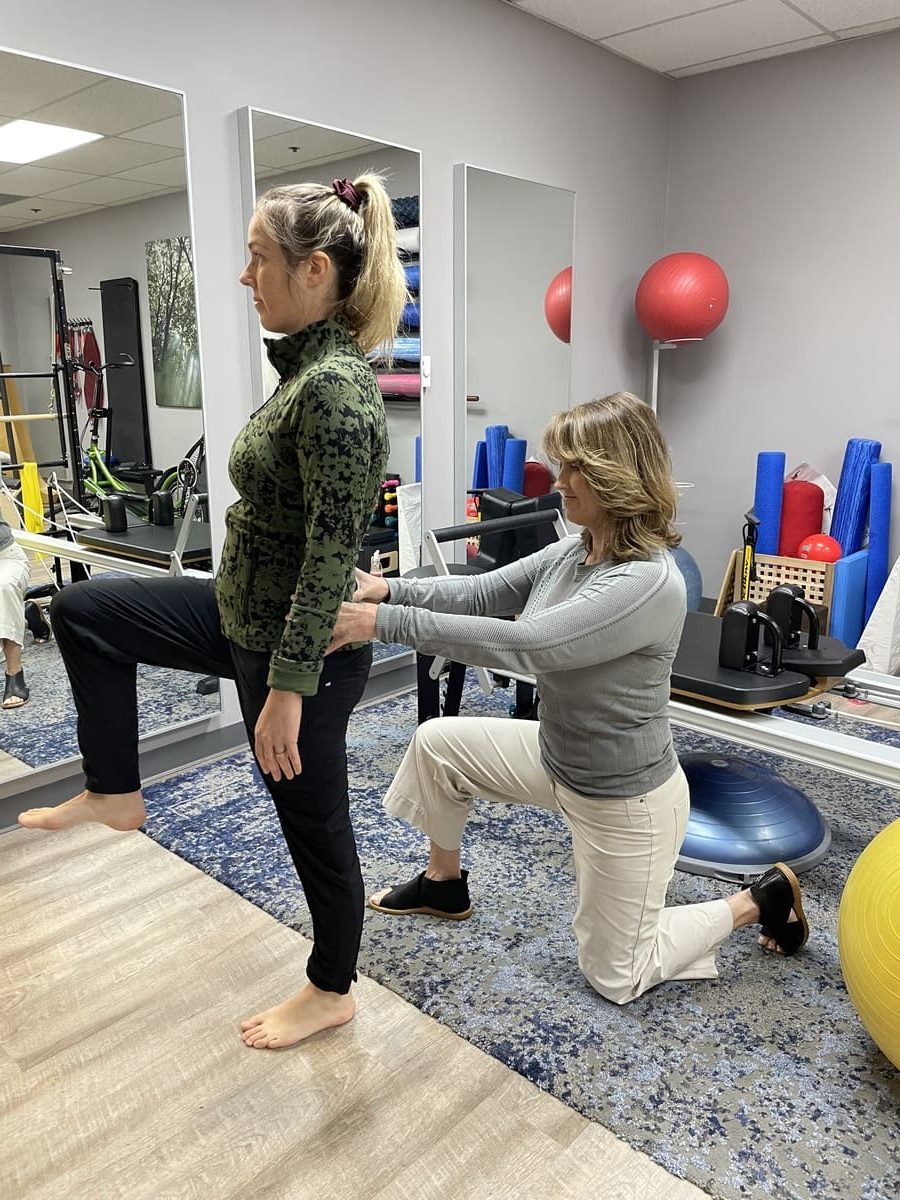
Accurate diagnosis of SI joint dysfunction can be challenging, as its symptoms often overlap with lumbar spine or hip conditions. Our team uses a comprehensive pelvic evaluation to pinpoint the true source of pain. This includes:
By looking at the pelvis as a whole system, we ensure that treatment addresses not just the joint itself, but the muscles, ligaments, and movement patterns that support it.
At Sarton Physical Therapy, we treat a high volume of patients with Sacroiliac (SI) Joint Dysfunction. Because we are pelvic floor physical therapists, we bring a unique perspective — blending advanced orthopedic skills with both external and internal pelvic manual therapy. This allows us to identify and treat underlying factors that are often missed in traditional care.
Many patients with SI joint hypermobility develop pelvic floor muscle overactivity as a compensation strategy to stabilize the pelvis. While this can create short-term stability, it often leads to further problems, including low back pain, sciatic or pudendal nerve irritation, and persistent pelvic pain. For this reason, the pelvic floor must always be evaluated as part of SI joint dysfunction.
Our goal is to restore balance, mobility, and stability in the SI joint by ensuring that the pelvic floor and surrounding muscles have both normal length and healthy strength — so they can support you efficiently without causing pain.
“I went from being unable to tie my shoes without horrible pelvic/SI joint/back pain (at age 27 mind you) to being able to juggle working 12-hour hospital shifts and going to nursing school full time in less than a year! If that’s not a success story, I don’t know what is, but I do know that Sarton PT helped me get there.”
I am an avid endurance athlete and had a severe hip-flexor/glute issue…It was disrupting not only activities that I love, but basic day-to day activities (like walking).
I was attending a sports PT and getting regular acupuncture and sports massages.
After several months and no real pain relief or solution, my acupuncturist referred Sarton PT and suggested what I was experiencing was a pelvic floor issue.
My reaction was an ignorant one. “I don’t pee when I jump or sneeze…I’m ‘fine’ “down there”…plus, I am 54 and had my kids 30 plus years ago.
Well. I never realized how vast the pelvic floor was.
One of the first things my new PT (Christina is amazing!!) showed me: a diagram of the pelvic area. Do you know how many muscles are attached to the women’s pelvic area? To name two specifics; Hip flexor and Piriformis (yes, its a large glute muscle)…
After ONE session, I had instant pain-relief….I am committed to the process and a believer that taking care of the Pelvic Floor should be a part of EVERY women’s health and fitness protocol, no matter what age or stage in life.
I am thankful for Sarton PT and specifically Christina and her incredible expertise!!
You deserve answers and relief from your pelvic pain. Our experienced team is here to guide you in reclaiming your confidence and quality of life.