
Low back pain can be complex — and sometimes the root isn’t where you expect. When traditional care falls short, we explore deeper healing through a pelvic floor perspective.
Low back pain is one of the most common reasons people seek care, but that doesn’t make it simple. Often, the pain you feel is the result of multiple factors working together: muscles that are too tight or weak, instability of the trunk or pelvis, or limited mobility of the hips, spine, or upper body. These imbalances lead to postural strain and inefficient movement patterns that stress the back.
But here’s what many people don’t realize: pain in the low back isn’t always caused by the low back itself. Sometimes the true source lies in the pelvis—through pelvic floor dysfunction, sacroiliac joint imbalance, or referral patterns from pelvic structures. In other cases, low back pain may even have a visceral origin, meaning it arises from organs within the abdominal cavity.
At Sarton Pelvic Healing, we look beyond the traditional back-focused approach and consider the pelvis as a potential missing piece in your recovery.
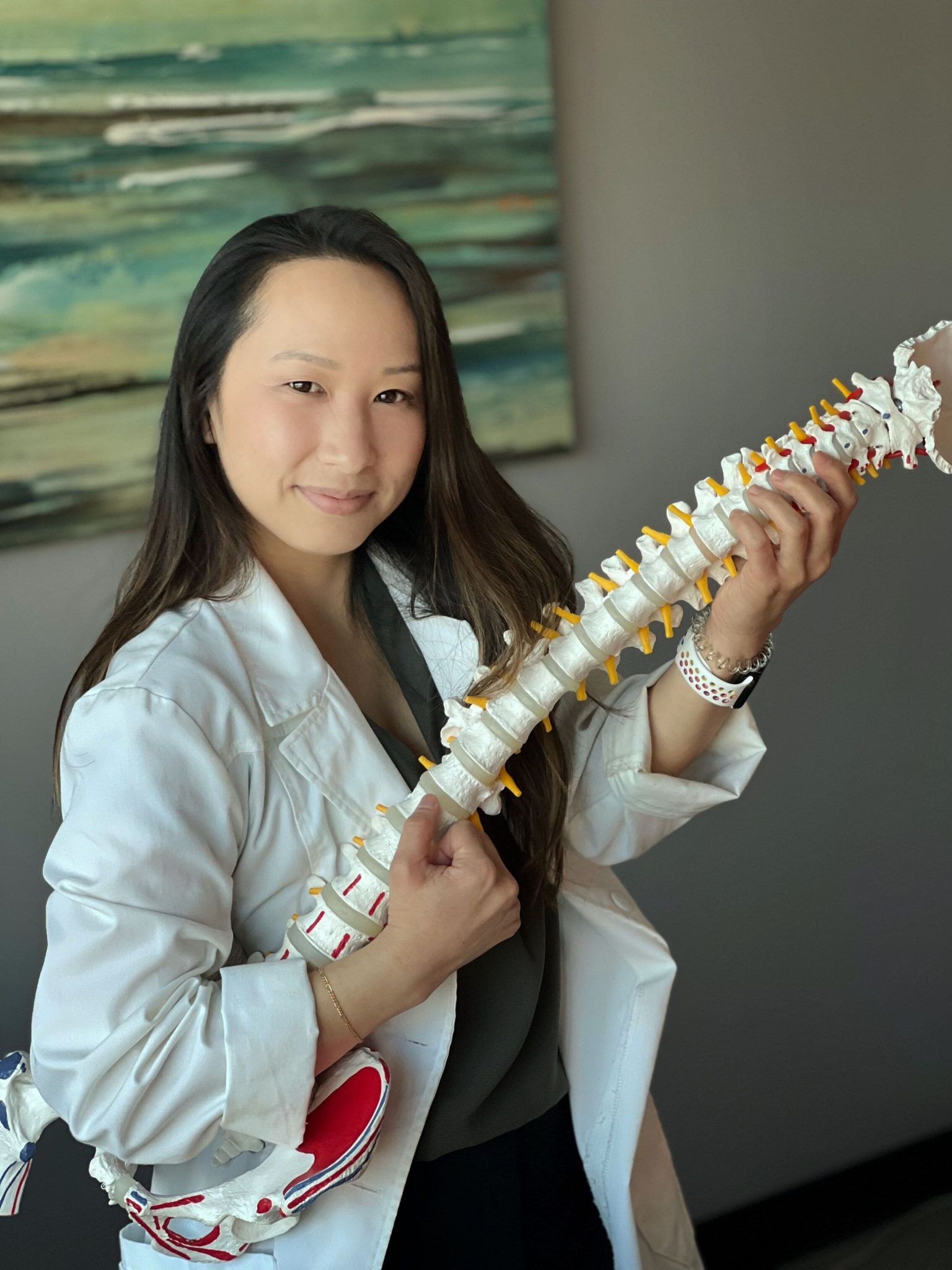
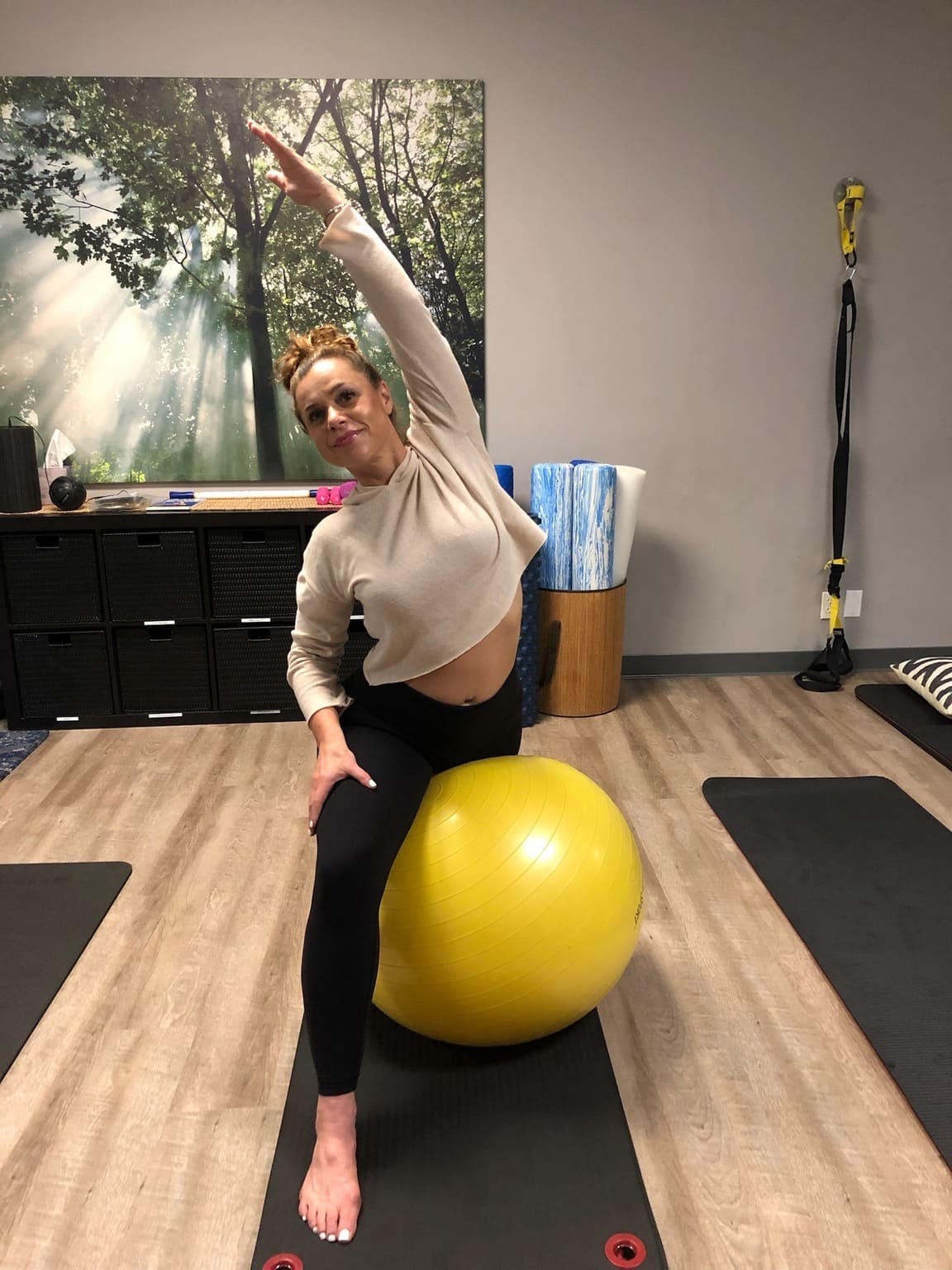
Low back pain is rarely caused by just one thing. More often, it develops from a mix of muscle imbalances, joint dysfunction, and even referrals from the pelvis or internal organs.
Muscles that are overworked sometimes develop trigger points—small, dense areas of tight tissue that can create both local and referred pain. Referred pain means you feel discomfort in a different location from where it originates. For example, a trigger point in the hip flexor muscle may send pain into the low back, abdomen, or down the thigh. Similarly, certain visceral organs can also refer pain to the low back, making it important to look beyond the spine alone.
Other common contributors may include:
By considering the back, pelvis, and whole-body connections, we can uncover the true drivers of your pain and create a plan that leads to lasting relief.
At Sarton, in addition to looking at external contributions to low back pain, we also give the option of an internal exam of the muscles of the pelvic floor, which commonly refer pain to the low back. With this approach, we can evaluate each of the 4 walls of the abdominal “canister” and find the true source of your low back pain. If you are a mother, please also refer to the Diastasis Rectus Abdominis page to see if this contributing to your pain.
Hope and Healing are always possible.
Do not suffer with this pain, come in and let us help with pelvic physical therapy. Treatment is comprehensive and tailored to the individual. Treatment will be geared toward decreasing pain, restoring stability and control of motion of the pubic symphysis during everyday tasks.
Sarton Physical Therapy is home to the best pelvic health physical therapists in Orange County. The physical therapists at Sarton PT have an eclectic perspective in treating pregnancy and pubic pain with their successful interventions. Let our advance board certified physical therapists help, please contact us with any questions or requests for additional information.
The expertise and compassion exhibited by everyone who is a part of this practice is astounding. Dr. Julie is exceedingly knowledgeable, skilled, hopeful, helpful and she deeply impacts one’s ability to navigate complex health conditions. I cannot recommend this practice with more enthusiasm. I am so lucky to have found her and the team she has in place. Sarton physical therapy is a life changing space. Those who are fortunate enough to find her will undoubtedly experience great healing, referrals to exceptional care available for all kinds of conditions and a team of huge hearts and great minds.
“I have been coming to Sarton Physical Therapy as a result of having had a major 13 hour spinal cord decompression, cervical laminectomy and fusion surgery. Both Alexa and Megan have gone above and beyond all expectations for being the most professional, knowledgeable and compassionate physical therapists I could’ve ever imagined. I am so grateful for the sessions we’ve had and for the helpful treatments. If a 10 star review was possible I would give them a 10!”
You deserve answers and relief from your pelvic pain. Our experienced team is here to guide you in reclaiming your confidence and quality of life.