
“Just breathe” they say…but how?
The diaphragm is a postural muscle, so it’s likely that if you have a back problem, you have a diaphragm problem. We want to add to that: if you have a diaphragm problem, it’s likely you also have a pelvic floor problem!
The diaphragm and the pelvic floor have a pressure relationship. When the diaphragm descends, the pelvic floor descends. When the diaphragm is elevated, the pelvic floor is elevated. These contribute to pelvic floor muscle hypertonicity, which means there is excessive tension and tightness in these muscles.
First, think of the pelvic floor as a sagging hammock. The muscular components that support the hammock are your:
-
Belly muscles
-
Inner thighs muscles
-
Buttock muscles
-
Deep low back muscles
When performing diaphragmatic breathing, inhale through your nose and exhale through your mouth. As you inhale through the nose, your chest cavity fills with air and the diaphragm drops down toward the pelvis while the pelvic floor lengthens. As you engage in diaphragmatic breathing, make sure the “support components” of the hammock are all slackened and relaxed to allow the pelvic floor to move through its full range of motion, which is an important part of breathing and pelvic floor PT.
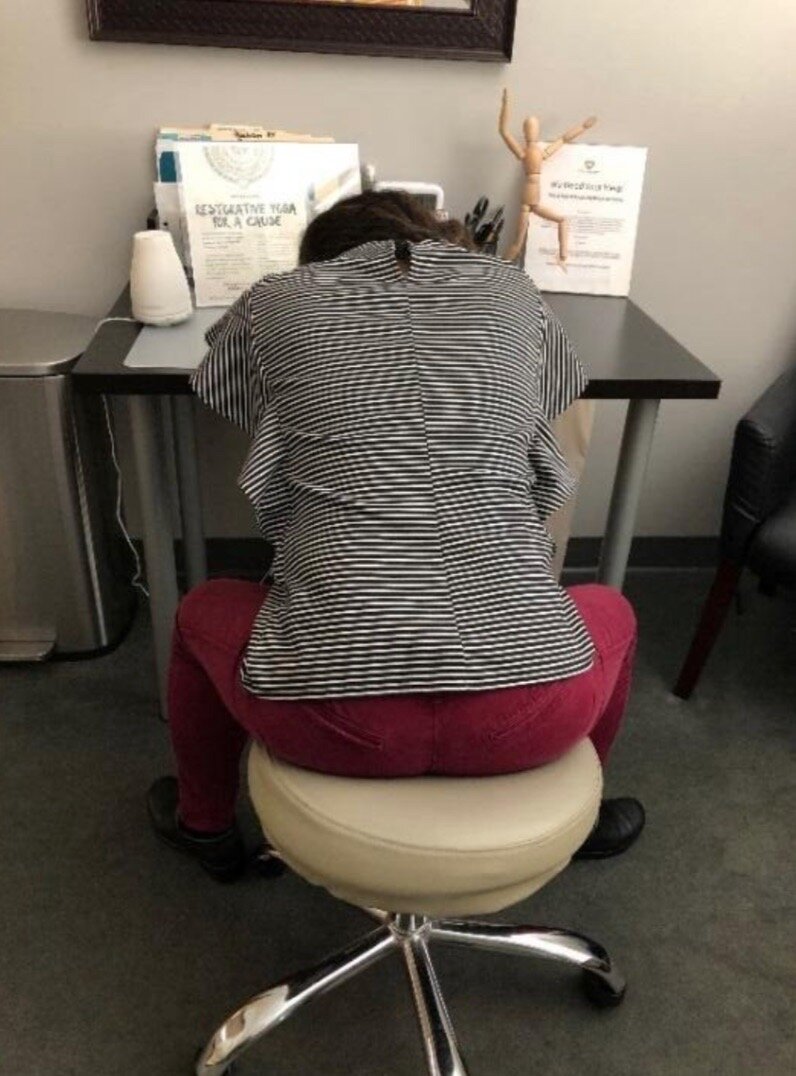
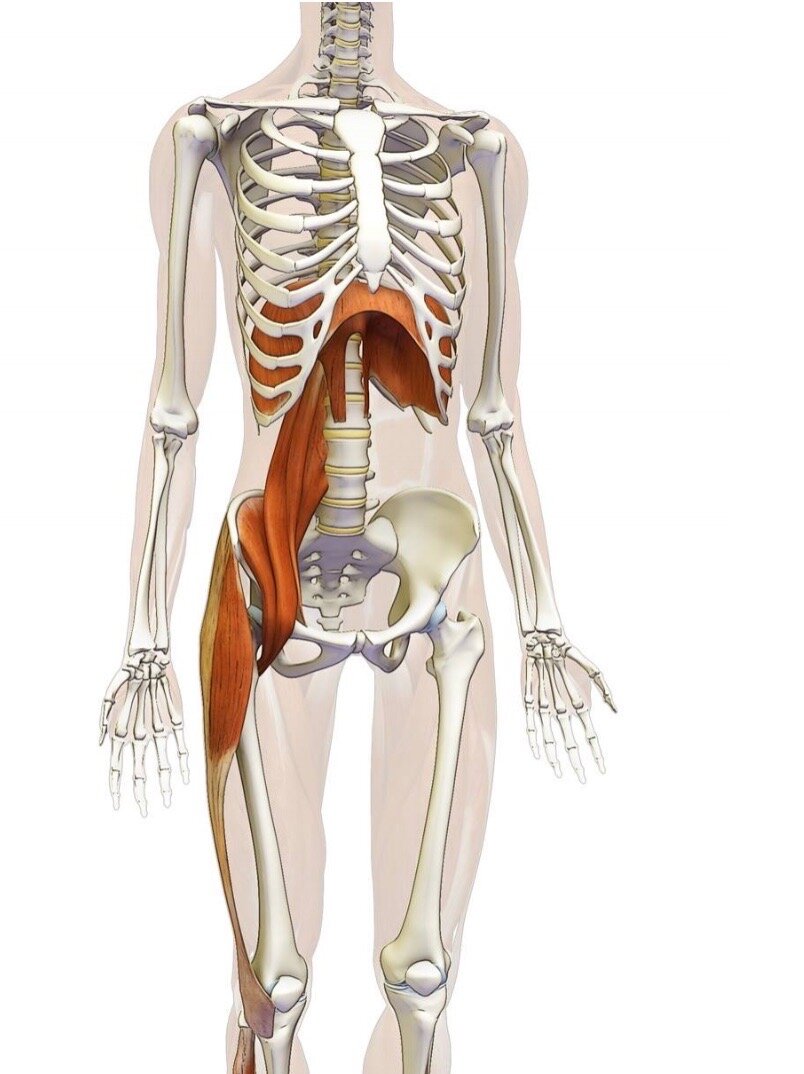

The above position allows for effective relaxation of the “support components” as well as using the chair for identifying how your pelvic floor is lengthening and recoiling with diaphragmatic breathing. In this position, your feet and knees are facing outward while your head, trunk, and arms are resting on a support surface (i.e. your desk, table, etc.)
-
As you inhale, you should feel the pelvic floor lengthen toward the chair
-
As you exhale, you should feel the pelvic floor recoil away from the chair
Every pelvic floor patient should have their diaphragm evaluated and treated! We often get asked what kind of specialist should diagnose issues in the diaphragm and how this relates to total body balancing through pelvic-floor-focused movement. Believe it or not, that would be a pelvic floor physical therapist!
We want to encourage you to get evaluated by one of our outstanding physical therapists, and regain control of your life. Pelvic pain, pelvic floor dysfunction, back pain, tailbone pain—you name it—these conditions do not have to control your life. There is hope.