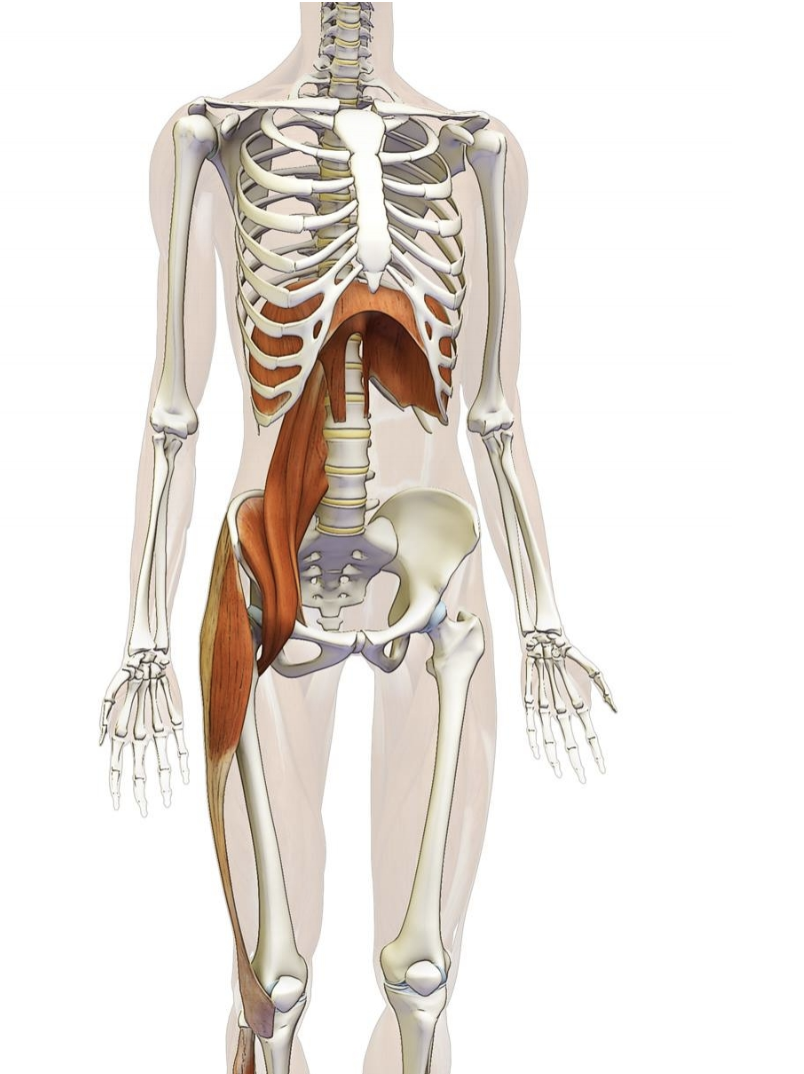
The diaphragm is a postural muscle, so it’s likely that if you have a back problem, you have a diaphragm problem. We want to add to that: if you have a diaphragm problem, it’s likely you also have a pelvic floor problem!
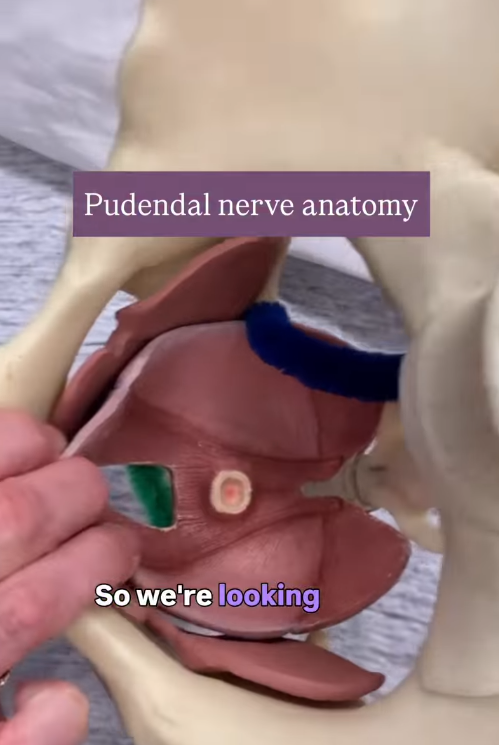
The diaphragm and the pelvic floor have a pressure relationship. When the diaphragm descends, the pelvic floor descends. When the diaphragm is elevated, the pelvic floor is elevated. These contribute to pelvic floor muscle hypertonicity, which means there is excessive tension and tightness in these muscles and may also affect the relationship between the SI joint and pelvic floor.
Every pelvic floor patient should have their diaphragm evaluated and treated! We often get asked what kind of specialist should diagnose issues in the diaphragm. Believe it or not, that would be a pelvic floor physical therapist!
Contact us to set up an appointment for your diaphragm and pelvic floor evaluation.