If you’ve ever had a pelvic floor patient who just won’t progress…
this is probably why.
They’ve done the internal work.
They’ve used the dilators.
They’ve followed the plan.
And yet, they’re still in pain.
At that point, most clinicians start questioning the treatment.
But the issue usually isn’t the treatment.
It’s the diagnosis.
The Real Problem: Treating the Pelvic Floor in Isolation
One of the biggest mistakes I see, after 30 years as a pelvic floor physical therapist, is treating the pelvic floor as if it exists on its own.
It doesn’t.
Especially when IBS (Irritable Bowel Syndrome) is involved.
More specifically: IBS-C (constipation).
Because IBS doesn’t just affect the gut. It changes how the pelvic floor functions, highlighting the IBS and pelvic floor connection.
If you don’t address that connection, your treatment will keep hitting a wall.
How IBS-C Drives Pelvic Floor Dysfunction
Let’s walk through a common case.
A patient comes in with pain during sex.
She’s already had pelvic floor therapy.
She’s done internal work.
She’s been consistent.
But the pain is still there.
Then you ask a simple question:
“How often are you having a bowel movement?”
She says… once every 5–6 days.
That changes everything.
Because chronic constipation leads to:
- Persistent straining
- Increased intra-abdominal pressure
- Pelvic floor overactivity at rest
- Incomplete relaxation during defecation
Over time, this creates a cycle of hypertonicity that keeps coming back, no matter how much you release the tissue.
So the pelvic floor isn’t the root problem.
It’s the downstream effect, which also helps explain how chronic prostatitis relates to pelvic pain.
The Screening Questions Most Clinicians Skip
If you’re not asking these, you’re missing critical data:
- How often do you have a bowel movement?
- What does it look like? (Use the Bristol Stool Scale)
- Do you strain?
- Do you feel fully emptied after?
- Is there pain during or after?
- Any history of falls (tailbone, sacrum, hips)?
These aren’t “extra” questions.
They’re the difference between surface-level treatment and actually solving the problem through personalized pelvic floor treatment for complex conditions.
Why the Abdomen Matters More Than You Think
Most clinicians go straight to the pelvic floor.
But the abdomen tells you the story first.
Look for:
- Bloating
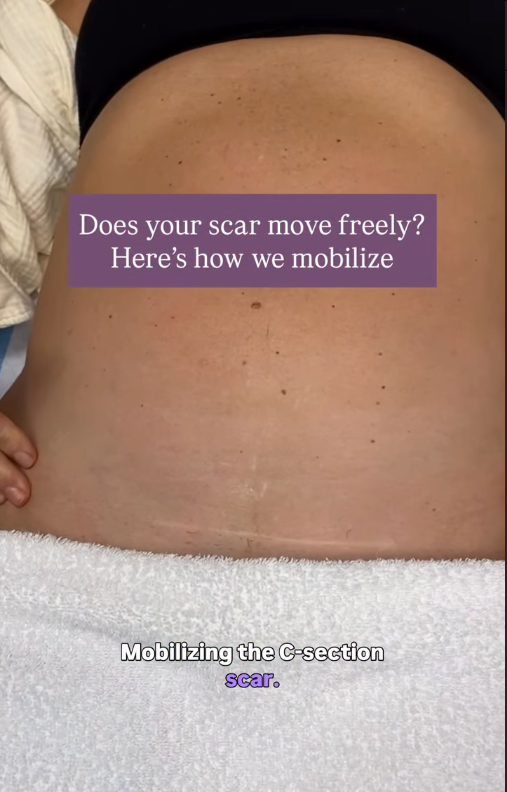
- Fascial restriction
- Tissue texture changes (often mistaken for “just fat” or cellulite)
What you’re actually seeing is inflammation-driven fascial change.
And here’s the key:
Abdominal fascia is continuous with pelvic floor fascia.
If the abdomen is restricted, the pelvic floor will stay restricted.
No matter what you do locally.
The Overlooked Link: Breathing and Pressure
The diaphragm and pelvic floor are directly connected.
If one isn’t functioning well, the other can’t compensate forever.
Things to assess:
- Breath holding (especially in lifters or anxious patients)
- Diaphragm mobility
- 3D expansion (not just belly breathing)
If the diaphragm is restricted, you can cue breathing all day…
…but nothing will change.
Because the system physically can’t move the way it needs to, which is why pacing strategies for pelvic pain management often need to address the body as a whole.
Don’t Ignore the Tailbone
This one gets missed all the time.
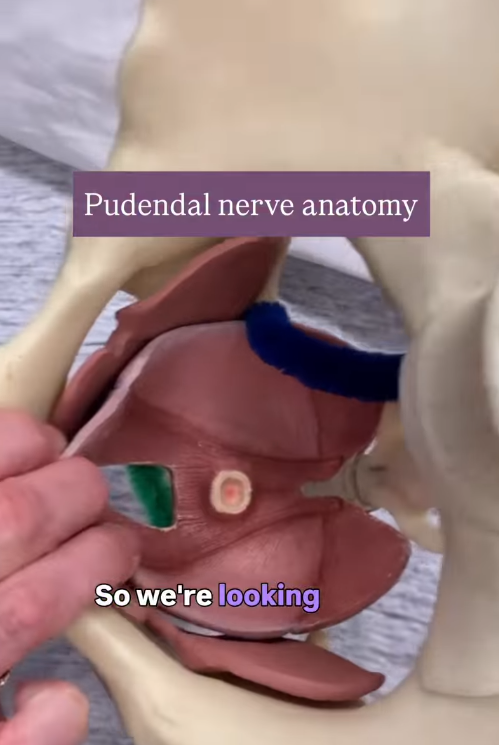
A past fall—especially on the tailbone—can alter pelvic floor mechanics for years.
Even if it didn’t seem “serious” at the time.
If the coccyx is flexed or deviated:
- Pelvic floor length changes
- Resting tension increases
- Full relaxation becomes difficult
Which directly affects bowel function and pain patterns.
The Bottom Line
If your patient isn’t progressing…
Stop doubling down on the same pelvic floor treatment.
Zoom out.
Look at the system.
Because IBS isn’t just a gut issue.
It’s a pelvic floor disruptor.
And until you address it that way, you’ll keep chasing symptoms instead of solving the problem.
If you start connecting these dots, you’ll see it immediately.
The “stuck” patients?
They’re not stuck.
They’ve just been misdiagnosed, and staying positive while managing pelvic floor dysfunction can make a meaningful difference throughout the recovery process.