
Men experience pelvic floor issues too and with the right care, you can recover.
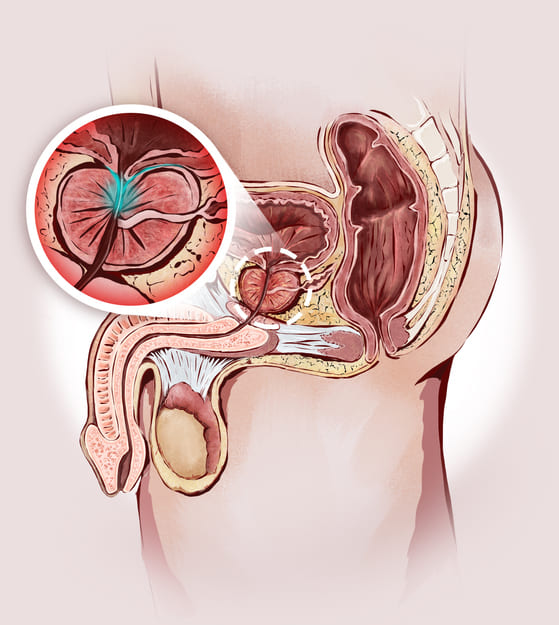
Prostatitis is a broad term used to describe pain or discomfort that seems to come from the prostate gland. While some cases are caused by infection or inflammation of the prostate, many men experience non-bacterial prostatitis or chronic pelvic pain syndrome (CPPS), where no infection is found.
In these cases, the pelvic floor muscles – the network of muscles that support the bladder, rectum, and prostate – can become tight, irritated, or in spasm. This tension can mimic or worsen “prostate” symptoms, leading men to feel urinary urgency, pelvic or rectal pain, and sexual dysfunction. Because prostatitis is a complex condition, physical therapists often work hand-in-hand with urologists, gastroenterologists, or colorectal specialists to ensure that all potential causes are considered.
Pelvic floor physical therapy plays a vital role in helping men reduce muscle tension, restore normal coordination of the pelvic floor, and relieve pain that is often mistakenly attributed solely to the prostate.

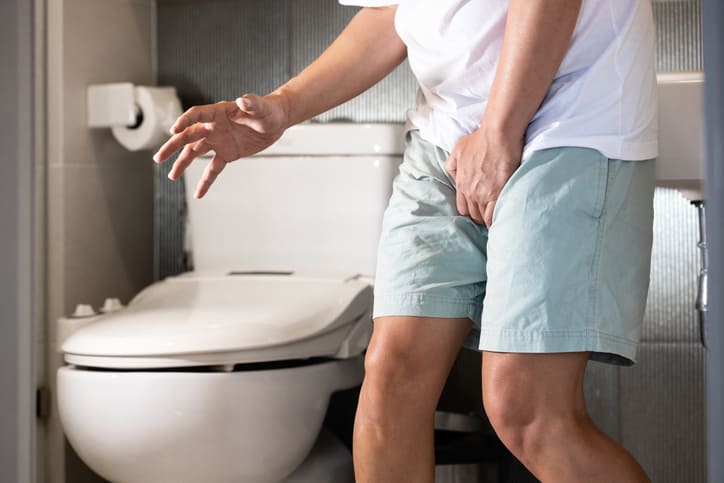
Common symptoms may include:

Not all cases of prostatitis are caused by infection. In fact, many men develop chronic pelvic pain syndrome (CPPS), where pelvic floor dysfunction plays a key role. When the pelvic floor muscles become short, tense, or hypertonic, they can reproduce many of the same symptoms often linked to the prostate.
This tension can be triggered by a variety of factors, including:
Because the causes are often multifactorial, our role as pelvic floor physical therapists is to pinpoint the specific drivers of your symptoms – whether muscular, postural, or stress-related – and address them directly. This approach ensures that relief is not only possible but long-lasting.
Description of the comprehensive evaluation process, including pelvic floor assessment and collaboration with referring physicians if needed.
Because prostatitis can have multiple contributing factors, an accurate assessment is key. At PelvicHealing, we take the time to listen to your history and carefully evaluate how your pelvic floor muscles, nervous system, and posture may be driving your symptoms.
Our diagnostic process may include:
We also collaborate closely with your urologist, gastroenterologist, or colorectal specialist to confirm whether symptoms are related to prostate inflammation, pelvic floor dysfunction, or a combination of both. If medical or surgical care is needed, we’ll ensure you are supported with prehab and post-treatment rehabilitation for the best outcomes.
At Sarton Physical Therapy, we recognize that prostatitis-like symptoms are often driven by pelvic floor muscle tension, nerve irritation, or tissue restrictions. Our therapists dedicate a full hour to every session, giving you the time and support needed for meaningful progress.
Your treatment may include:
By combining hands-on therapy with education and guided exercises, we help restore normal pelvic floor function and reduce the cycle of pain and urinary symptoms. We also work closely with your urologist, GI, or colorectal physician to ensure you’re getting truly comprehensive care.

“Male perspective of Sarton Pelvic floor Physical Therapy…I saw a pain doctor and was diagnosed with sacral iliac dysfunction. The choice for treatment was regular physical therapy or pelvic PT. My conditions are : BPH, low back pain, ED, urinary retention , urinary urgency and frequency (urination 3-4 times/night an hour during daytime). The pelvic floor PT was the obvious choice as more of my conditions could be treated and improved. I knew that I would be in a female environment but having gone through catheterization, multiple biopsies, rectal exams etc…. I didn’t care if it was a female or male doing the treatment.
My first visit I was still nervous but the whole staff was very calming and friendly…the front office and physical therapists were great.
Morgan my main therapist made me feel comfortable and even though I am some what of an introvert she was able to get me talking and comfortable talking about my conditions. She was very good at covering up privates and doing the therapy discreetly. The internal exam and therapy was not a big deal and after a few visits I began to have major improvements in my conditions. My pain is less. I only need to get up 1-2 times /night and only need to urinate every 3-4 hours during the daytime.
…I would give the therapists and the office a 5 star rating and would recommend Sarton PT to males or females. Thank you Sarton for your great care and kindness. They provide an exceptional experience!”
My first visit I was still nervous but the whole staff was very calming and friendly…the front office and physical therapists were great.
Morgan my main therapist made me feel comfortable and even though I am some what of an introvert she was able to get me talking and comfortable talking about my conditions. She was very good at covering up privates and doing the therapy discreetly. The internal exam and therapy was not a big deal and after a few visits I began to have major improvements in my conditions. My pain is less. I only need to get up 1-2 times /night and only need to urinate every 3-4 hours during the daytime.
You deserve answers and relief from your pelvic pain. Our experienced team is here to guide you in reclaiming your confidence and quality of life.