Oh, the almighty pelvic floor.
Whether you already consider yourself to be a pelvic floor expert, or you’re just diving into the world of “that area down there”—it never hurts to revisit the five essential functions of the pelvic floor and better understand how pelvic floor therapy works.
There is more to the pelvic floor than you might think. This multi-faceted system of purposeful muscles and bones (to put it simply) serves our bodies in many critical ways. Below, we have listed what we like to call the five “S’“ functions of the pelvic floor.
Know them, appreciate them, and share them!
The 5 Essential “S” Functions of the Pelvic Floor
1. Support Function
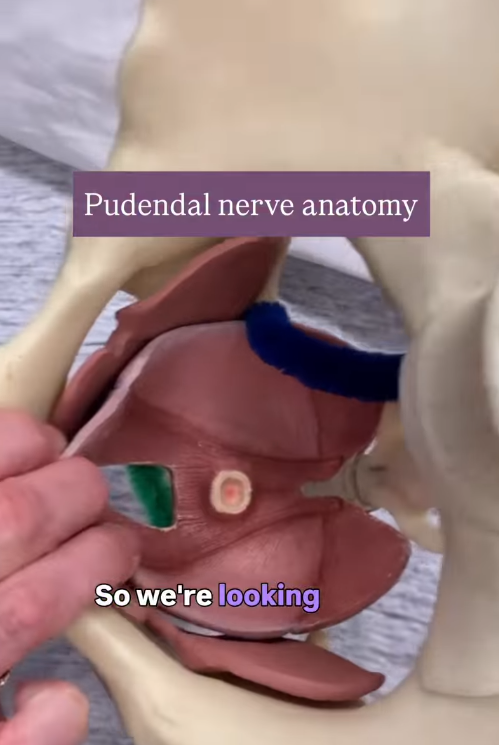
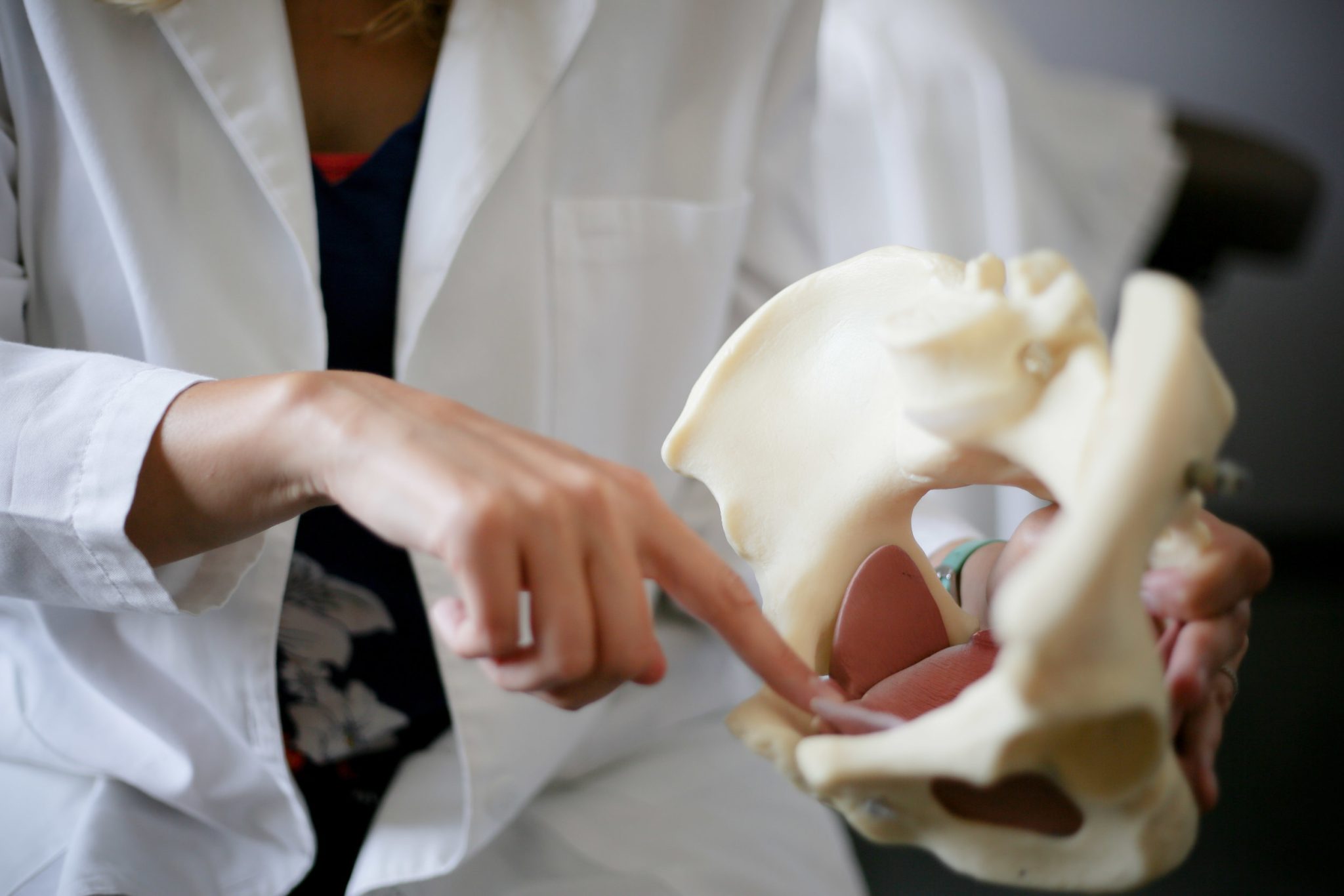
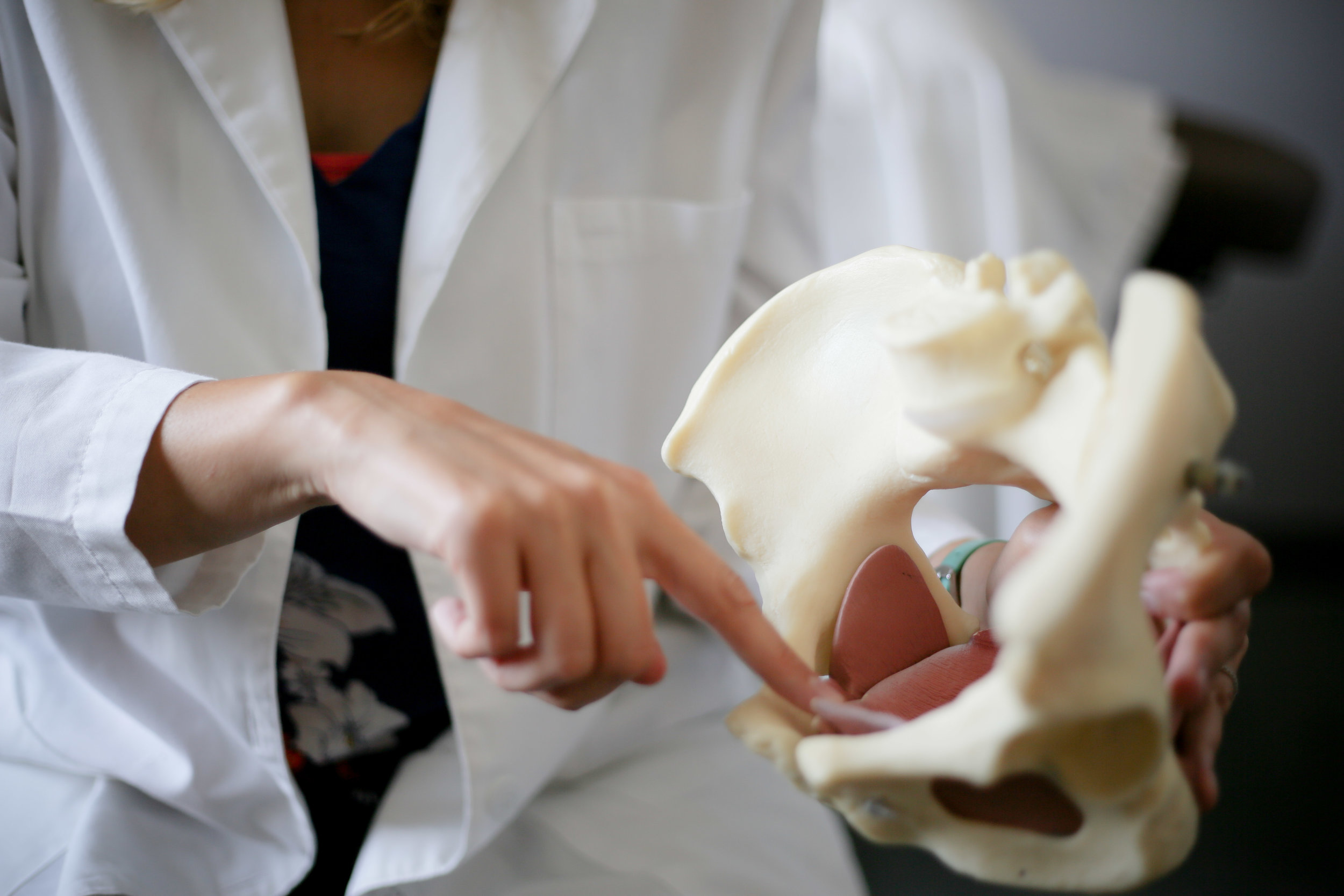
There are 3 layers to your pelvic floor. They hang sort of like a hammock, from front to back and from side to side. The two layers that are closer to the surface of your body tend to support the openings. The third, most inward layer which tends to support the organs, and stretches more toward the back of your pelvic floor. Think of this supportive layer as a basket that keep organs in place, particularly with impact.
Read Everything You Need to Know About Pelvic Organ Prolapse
2. Sphincter Function
This function ensures that things are kept closed when we want them closed (i.e. preventing leakage of urine and fecal matter), and that things open when we need them to (i.e. successful urination and bowel movement).
3. Sexual function
The pelvic floor muscles help us achieve arousal and orgasm.
4. Stability Function
The pelvic floor itself creates a lot of stability across the pelvis and and transfers force, especially correlating to what’s happening in our legs and hips.
5. Sump pump
The pelvic floor region helps to move lymph fluid and blood through the pelvis and up into the trunk.
Plus, along with these “S” functions, the pelvic floor is central in breathing and in regulating the pressure of our intra-abdominal cavity (read more about “the coke can” analogy here).