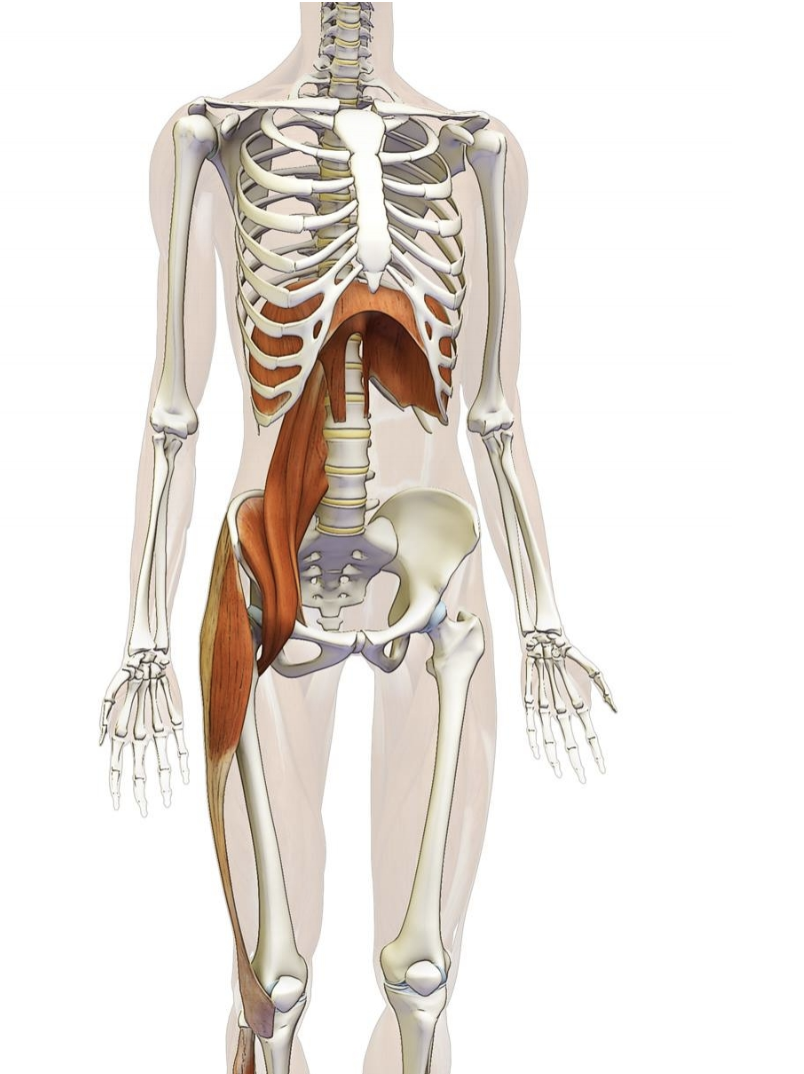
The diaphragm is a postural muscle, so it's likely that if you have a back problem, you have a diaphragm problem. We want to add to that: if you have a diaphragm problem, it's likely you also have a pelvic floor problem!
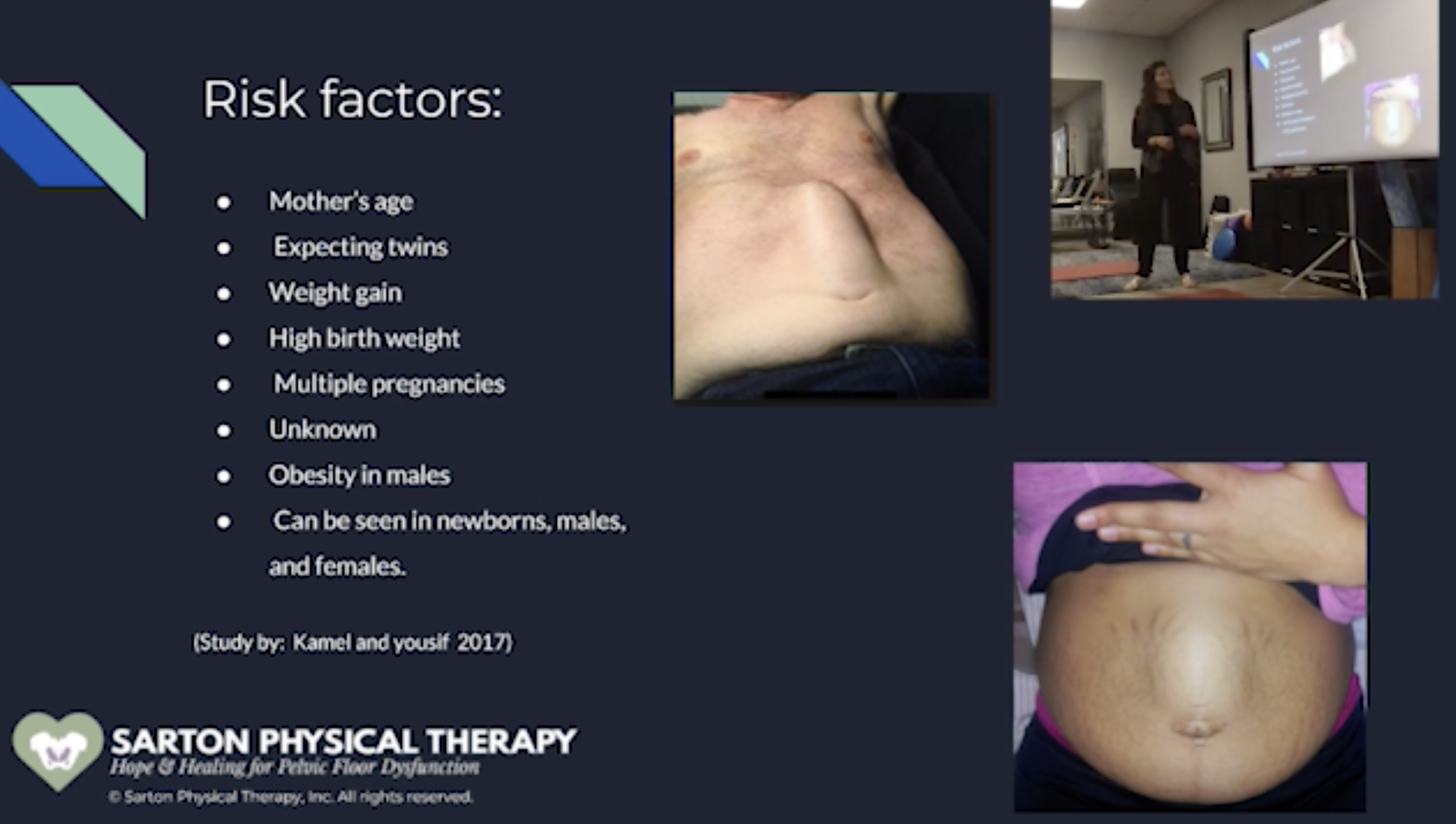
At 35 weeks, 100% of women have Diastasis Rectus Abdominis (DRA), which might cause a bulge in the middle of the abdomen where the two muscles separate.
I suffered with severe dysmenorrhea (painful periods) and SI joint pain for years, along with chronic fatigue and Hashimoto’s thyroiditis since grad school.
Ready to Start Your Healing?
Take the first step towards relief and healing by scheduling your consultation today.