Aneeka came to us after the birth of her second child suffering from sacroiliac joint pain, SI joint hyper-mobility, back pain, and stress urinary incontinence.
“I went from being a woman who weight lifted, mountain biked, played rugby and practiced Muay Thai at a high-performance level to a woman who was unable to tie her own shoes due to immense pain.”
“I had to quit my job as art director, I could barely sit, or walk and was very concerned about how to heal and return to a normal life. Julie Sarton and her team have literally saved my life.”
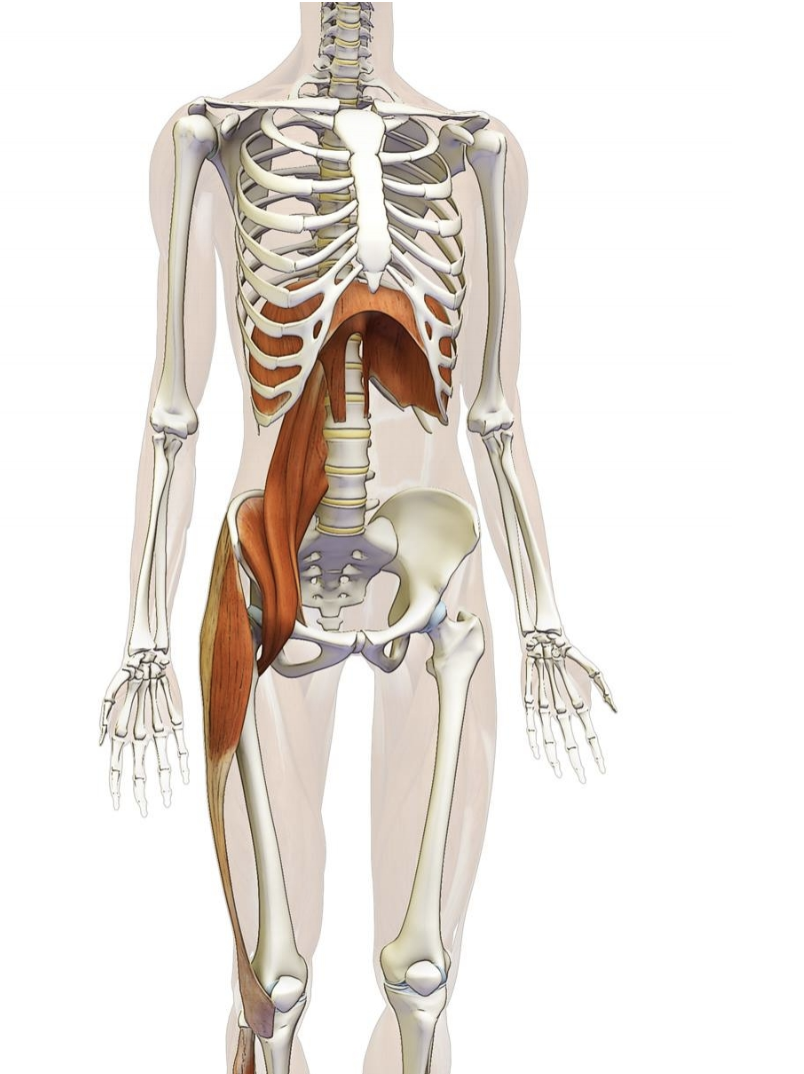
The diaphragm is a postural muscle, so it's likely that if you have a back problem, you have a diaphragm problem. We want to add to that: if you have a diaphragm problem, it's likely you also have a pelvic floor problem!
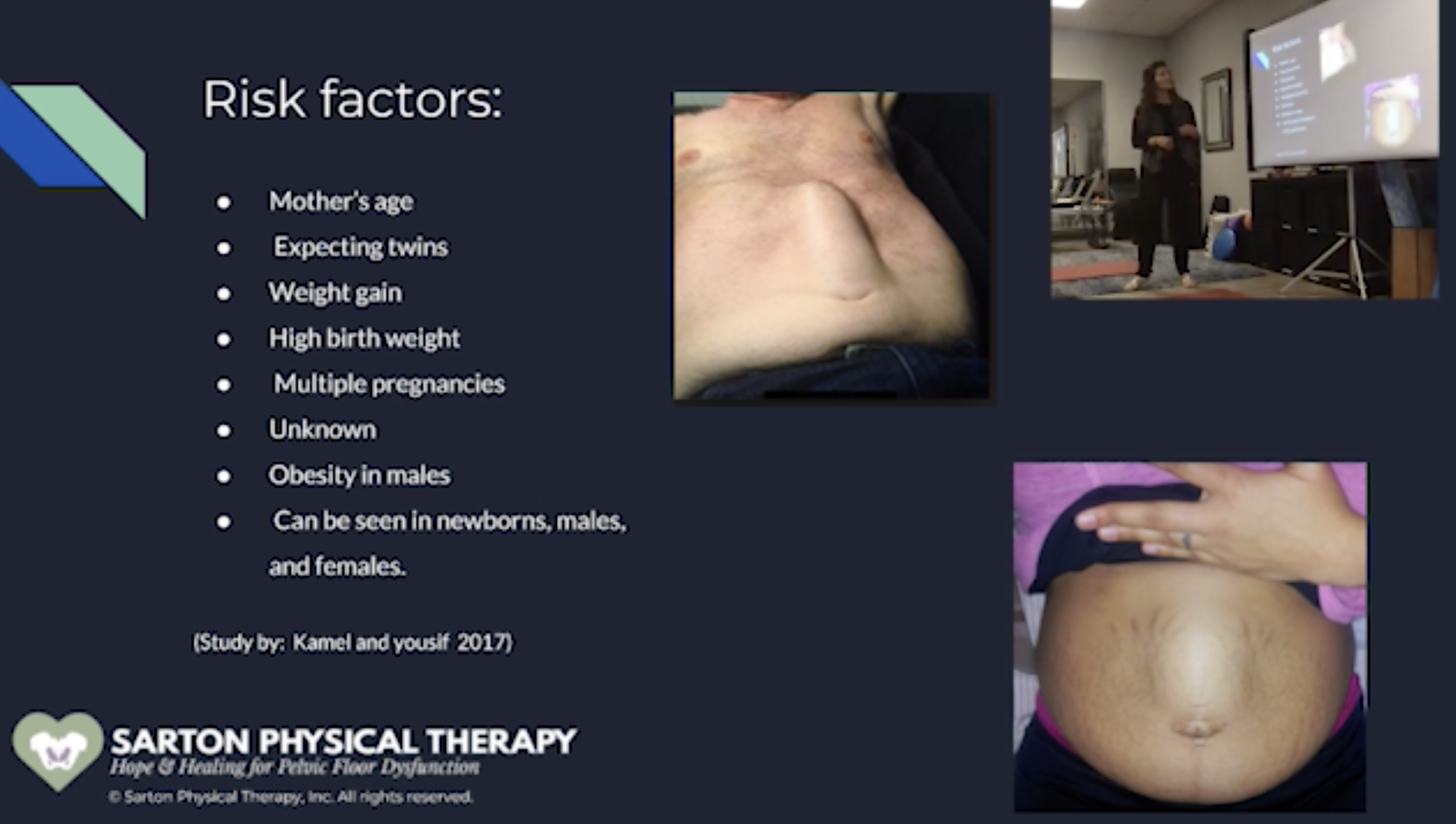
At 35 weeks, 100% of women have Diastasis Rectus Abdominis (DRA), which might cause a bulge in the middle of the abdomen where the two muscles separate.