Before starting pelvic floor physical therapy, Mary saw practitioner after practitioner (including over 30 physical therapists) but continued to suffer with pain.
The current method used by medical professionals to express patient pain levels is often relative—learn how you can accurately communicate your unique pain symptoms with your doctor.
“I went from being a woman who weight lifted, mountain biked, played rugby and practiced Muay Thai at a high-performance level to a woman who was unable to tie her own shoes due to immense pain.”
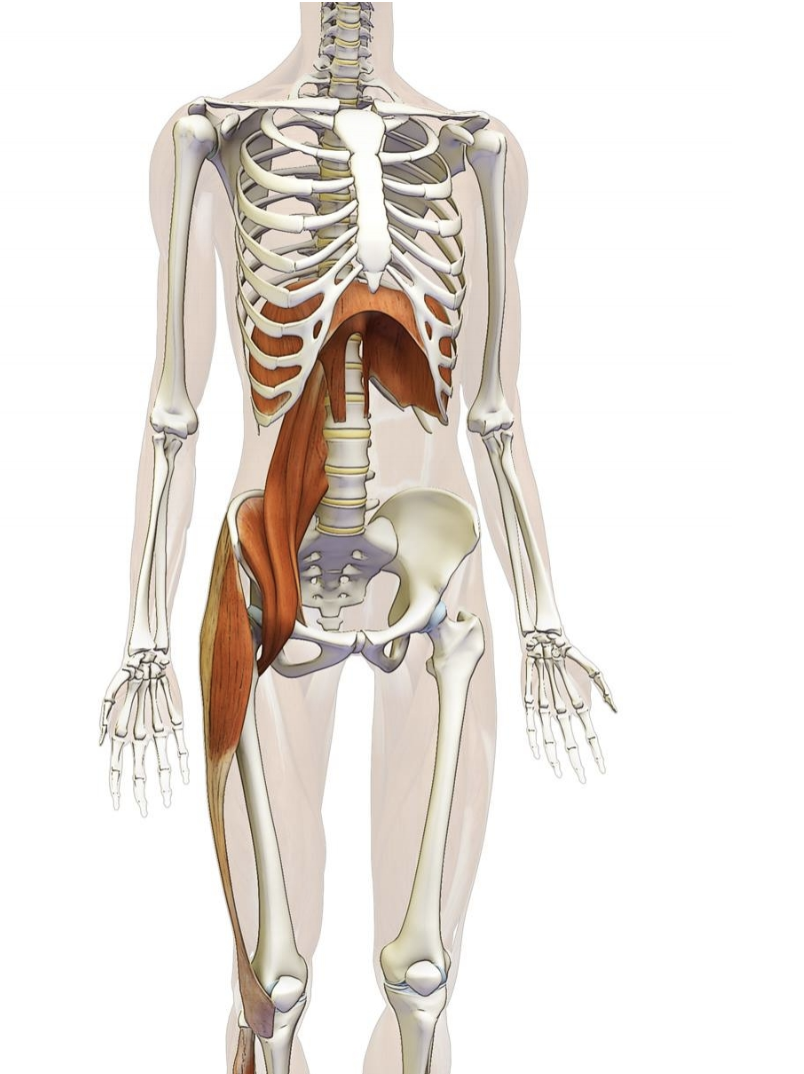
The diaphragm is a postural muscle, so it's likely that if you have a back problem, you have a diaphragm problem. We want to add to that: if you have a diaphragm problem, it's likely you also have a pelvic floor problem!
I suffered with severe dysmenorrhea (painful periods) and SI joint pain for years, along with chronic fatigue and Hashimoto’s thyroiditis since grad school.