Unlike other skeletal muscles, pelvic floor muscles are influenced by your autonomic nervous system, drawing a true brain-muscle connection between stress and pelvic pain.
The current method used by medical professionals to express patient pain levels is often relative—learn how you can accurately communicate your unique pain symptoms with your doctor.
“I had to quit my job as art director, I could barely sit, or walk and was very concerned about how to heal and return to a normal life. Julie Sarton and her team have literally saved my life.”
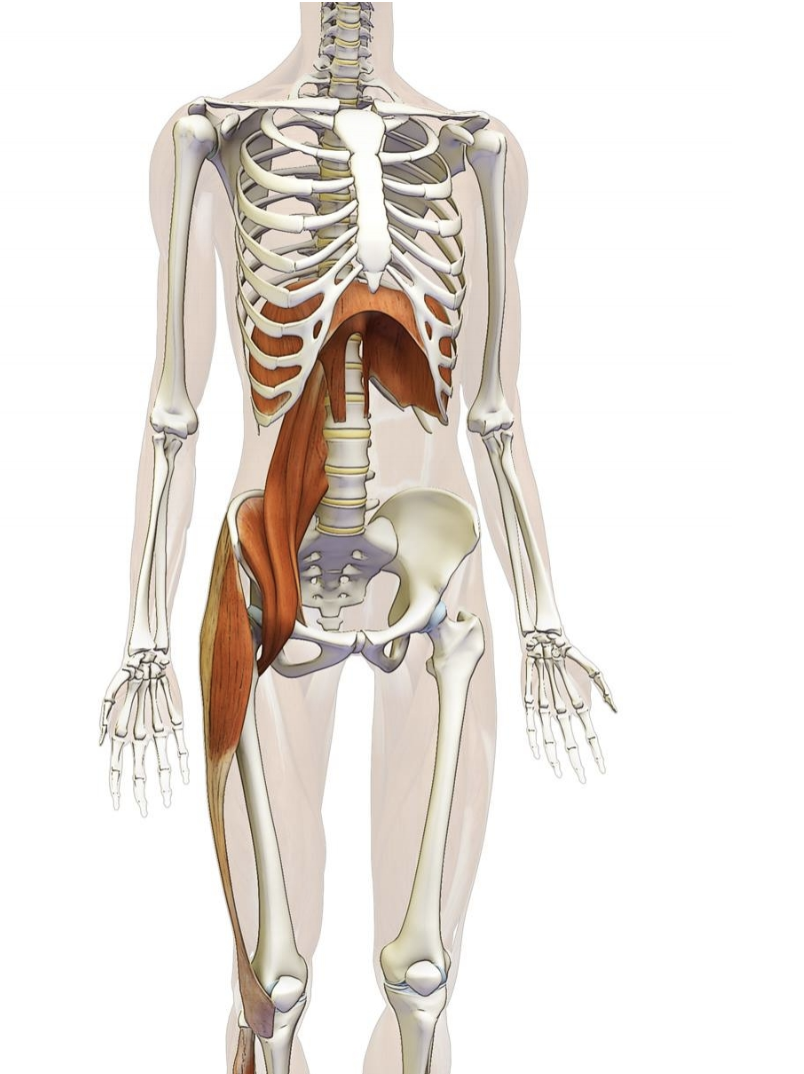
The diaphragm is a postural muscle, so it's likely that if you have a back problem, you have a diaphragm problem. We want to add to that: if you have a diaphragm problem, it's likely you also have a pelvic floor problem!
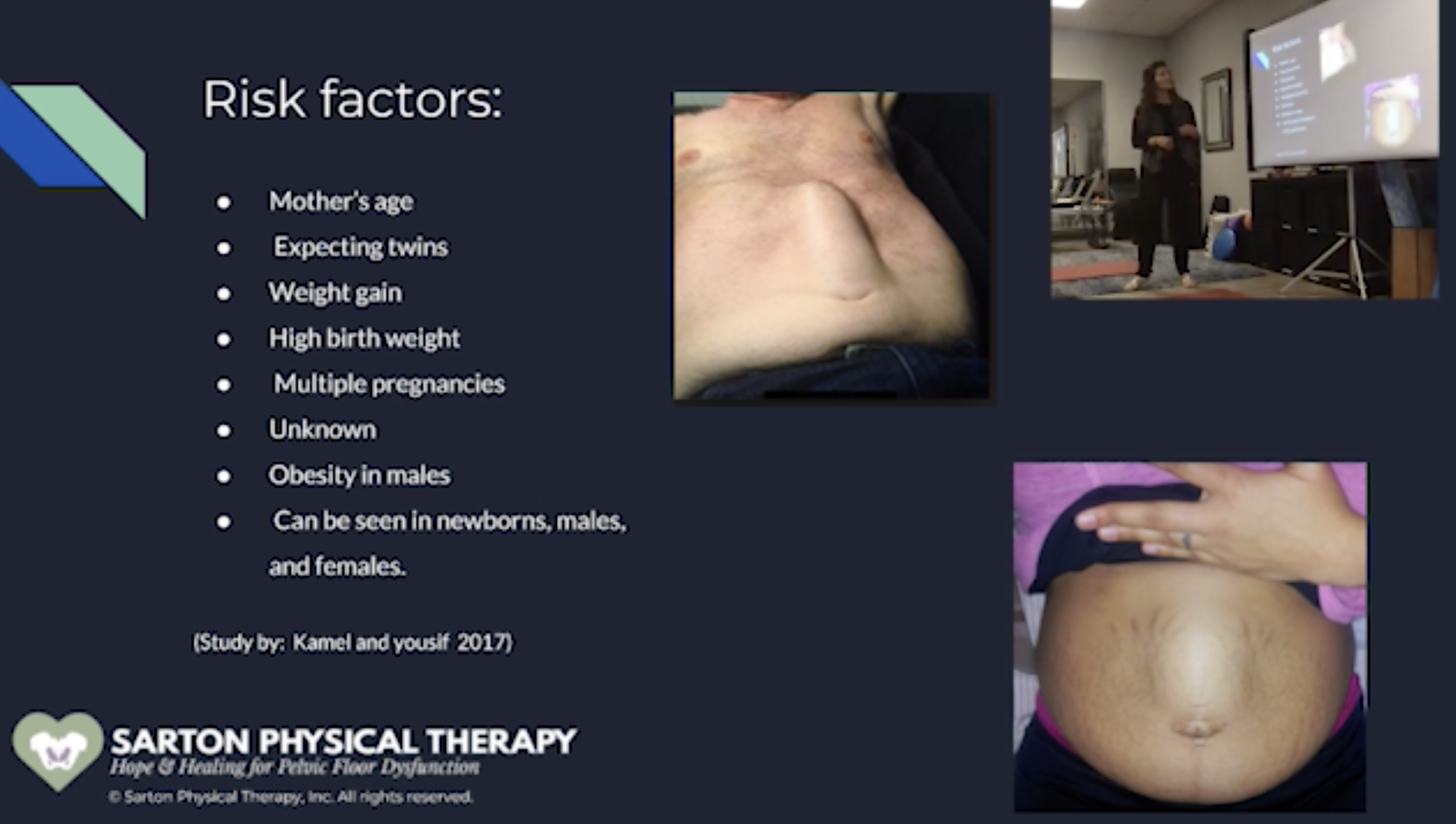
At 35 weeks, 100% of women have Diastasis Rectus Abdominis (DRA), which might cause a bulge in the middle of the abdomen where the two muscles separate.
Ready to Start Your Healing?
Take the first step towards relief and healing by scheduling your consultation today.